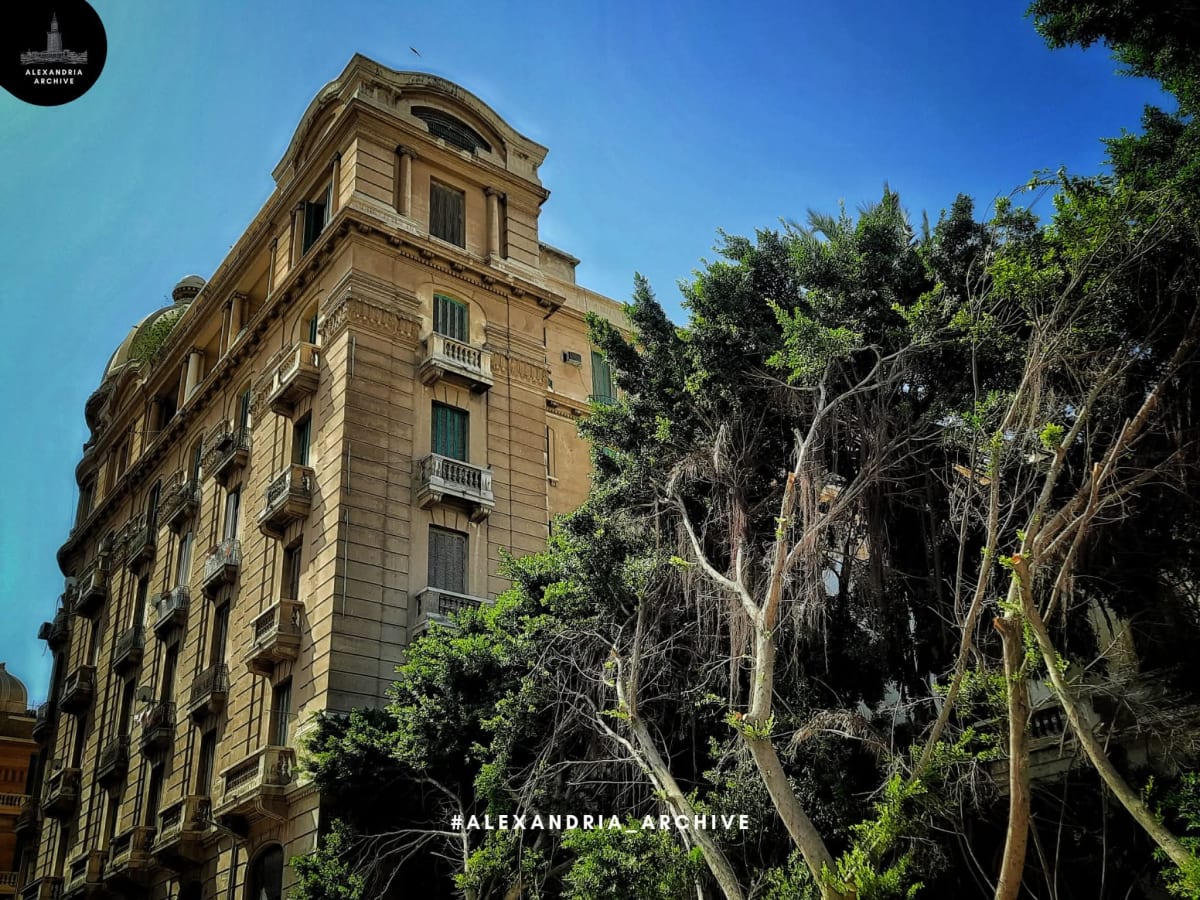
حديثُنا اليوم عن أعرق شوارع مدينة الإسكندرية واقدمها وأحد أهم معالمها المشهورة بما يحتويه على أيقونات المدينة المعمارية
"شارع فؤاد" ، هذا الطريق الذي أُنشئ منذ تخطيط مدينة الإسكندرية في بداية تأسيسها وهو نفسه الطريق الذي تملئه ذكريات أبناء المدينة من المصريين و الأجانب الذين عاشوا فيها
نشأه الشارع :
تعود نشأة هذا الشارع العتيق إلى عهد البطالمة وكانوا يطلقون عليه «الطريق الكانوبي» حيث كان مصفوفاً بالأعمدة الرخامية من بدايته وحتى نهايته، كما سمي بعد ذلك بشارع ميناء رشيد، لأنه كان يبدأ من بوابة رشيد في الأسوار العربية القديمة ثم يتجه شرقاً ناحية ضاحية أبي قير. وهو أيضاً معروف باسم «طريق الحرية». يقع شارع فؤاد بمنطقة محطة الرمل مركز مدينة الإسكندرية، وفي بداية الشارع يوجد حالياً قسم شرطة كان يمثل مركز الحراسة البريطانية الرئيسي بالإسكندرية، والذي كان يجاوره معبد صغير لسيرابيس مكان نادي «محمد علي» ـ قصر ثقافة الإبداع حالياً ـ أكبر نوادي الإسكندرية أوائل القرن التاسع عشر، والذي كان الكاتب والروائي البريطاني أ.م. فورستر عضواً فيه، فقد كان نادي محمد علي ملتقى الجاليات الأجنبية وبالأخص اليونانية التي كانت تقطن المدينة.
تخطيط الشارع :
يتقاطع شارع فؤاد مع شارع النبي دانيال وهو نفس التقاطع الرئيسي لطرق المدينة القديمة والذي وضعه المهندس «دينوقراطيس» حيث قام بتخطيطها على النظام الشطرنجي الشائع في تخطيط المدن الإغريقية، ويعتمد ذلك النوع من التخطيط على مجموعة من الشوارع المتعامدة. وصفه الأسقف أخيلوس تاتيوس مؤلف رواية «كليتوفون ولوسيب» عام 400 م قائلا «أول شيء لاحظته بدخولي الإسكندرية من بوابة الشمس (بوابة رشيد) هو جمال المدينة، وقد ربط صف من الأعمدة بين طرفيها. وبالتقدم بين هذه الأعمدة، وصلت بمرور الوقت إلى الميدان الذي يحمل اسم الإسكندر، وهناك استطعت أن أرى النصف الآخر من المدينة، والذي كان على نفس الدرجة من الجمال. وبمجرد رؤيتي للأعمدة الممتدة أمامي، ظهرت أعمدة أخرى مكونة زوايا حادة مع الأعمدة السابقة».
العمارة في شارع فؤاد :
تتميز معظم مباني شارع فؤاد بالطراز اليوناني الممزوج بالفن الإيطالي المعماري (الفلورنسي) بعضها لا يزال نابضاً بالحياة، أما البعض الآخر فهو يعاني من آثار الدهر. ومن أهم معالمه دار الأوبرا الوحيدة بالإسكندرية، والتي قام ببنائها المهندس الفرنسي جورج بارك وعرفت لفترة طويلة بـ«تياترو محمد علي» وتغير اسمها إلى مسرح سيد درويش عام 1962، والتي أقيمت بها عروض لأشهر الفنانين المصريين. كما يكتظ الشارع بالعديد من دور السينما لعل أشهرها بلازا ورويال والتي شيدها آل قرداحي اللبنانيون، وأمير وسينما ريو، والتي تسكن ناصية مميزة من شارع فؤاد، والتي كانت قبل ذلك مطعما للفول والفلافل خاصا لأحد الأتراك يدعى راغب.
من معالم شارع فؤاد :
يضم هذا الشارع المتحف القومي، الذي كان فيلا لتاجر الأخشاب اليوناني باسيلي، مبنيه على الطراز الإيطالي الحديث وقد ظل به حتى عام 1954 ثم باعه للسفارة الأميركية والتي ظلت به حتى اشتراه المجلس الأعلى للآثار في عام 1996، وهو يضم مجموعة رائعة من الآثار الغارقة التي تم انتشالها من مياه البحر المتوسط وبه مجموعة حوالي 1800 قطعة أثرية تشمل جميع العصور بدءاً من الدولة القديمة وحتى العصر الحديث وهو يكمل المجموعة التي يحتويها المتحف اليوناني. وفي نهاية شارع فؤاد توجد ساعة الزهور التي تدق ساعاتها بانتظام أمام حدائق الشلالات التي تضم بقايا آثار الإسكندرية الإسلامية مثل الأسوار القديمة وصهريج الشلالات المكون من ثلاثة طوابق ومقسم طولاً وعرضاً إلى خمسة أقسام بواسطة أعمدة جرانيتية مختلفة الطرز والأشكال.
#أرشيف_الإسكندرية
Fouad Street
Today we're talking about one of Alexandria's oldest and most prestigious streets, renowned for its architectural icons:
"Fouad Street." This road dates back to the city's earliest planning stages and is filled with memories for both Egyptians and foreigners who have lived there.
The Street's Origins:
This ancient street's origins trace back to the Ptolemaic era. It was known as the "Canopic Road" because it was lined with marble columns from beginning to end. Later, it was called Rashid Port Street, as it started at the Rashid Gate in the old Arab walls and headed east towards the Abu Qir suburb. It's also known as "Freedom Road." Fouad Street is located in the Raml Station area, the heart of Alexandria. At the street's beginning stands a police station that once served as the main British guard post in Alexandria. Adjacent to it was a small temple to Serapis, on the site of the Muhammad Ali Club—now the Palace of Creativity Culture—one of Alexandria's largest clubs in the early 19th century. The British writer and novelist A.M. Forster was a member, and the Muhammad Ali Club served as a meeting place for the foreign communities, particularly the Greeks, who resided in the city.
Street Layout:
Fouad Street intersects with Nabi Daniel Street, the same main intersection of the old city's roads. This intersection was laid out by the architect Dinocrates, who planned it according to the grid system common in Greek city planning. This type of layout relies on a series of perpendicular streets. Bishop Achilleus Tatius, author of the play "Cletophanes and Lucib," described it around 400 AD, saying, "The first thing I noticed upon entering Alexandria through the Gate of the Sun (Rosetta Gate) was the beauty of the city, connected by a row of columns. Proceeding between these columns, I eventually reached the square named after Alexander, and from there I could see the other half of the city, which was equally beautiful. As soon as I saw the columns stretching before me, other columns appeared, forming sharp angles with the previous ones."
Architecture on Fouad Street:
Most of the buildings on Fouad Street are characterized by a Greek style blended with Italian (Florentine) architectural art. Some remain vibrant, while others bear the marks of time. Among its most prominent landmarks is Alexandria's only opera house, built by the French architect Georges Parcq. For a long time, it was known as the "Mohamed Ali Theatre," and its name was changed to the Sayed Darwish Theatre in 1962. It has hosted performances by some of Egypt's most famous artists. The street is also home to numerous cinemas, perhaps the most famous being Plaza and Royal, built by the Lebanese Qardahi family, and Amir and Rio, which occupy a prime corner of Fouad Street. Previously, this location was a falafel and fava bean restaurant owned by a Turk named Ragheb.
Landmarks of Fouad Street:
This street is home to the National Museum, originally the villa of the Greek timber merchant, Basili. Built in the Italian Neo-Moorish style, the villa remained in his possession until 1954, when he sold it to the American Embassy. The embassy occupied the property until it was purchased by the Supreme Council of Antiquities in 1996. The museum houses a remarkable collection of underwater antiquities recovered from the Mediterranean Sea, comprising approximately 1,800 artifacts spanning all periods from the Old Kingdom to the modern era. This collection complements the collection held by the Greek Museum. At the end of Fouad Street stands the Flower Clock, whose clock chimes regularly in front of the Shallalat Gardens. These gardens contain remnants of Islamic Alexandria, such as the ancient city walls and the three-story Shallalat Cistern, divided lengthwise and widthwise into five sections by granite columns of varying styles and shapes.