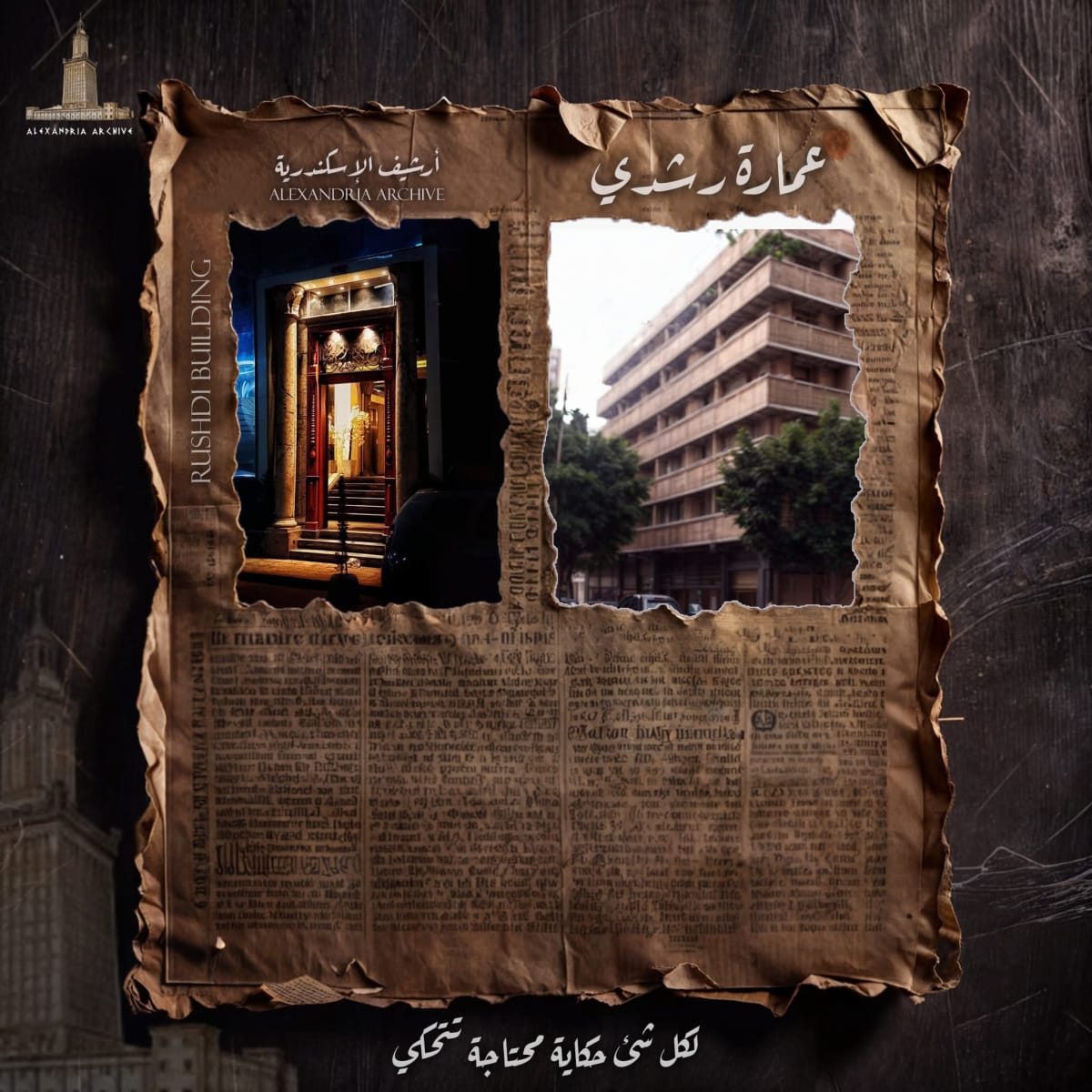
“عمارة العفاريت”؛ ذلك هو اللقب الذي عُرف به العقار الأشهر في حي رشدي، وربما في الإسكندرية بأكملها، والذي أُنشئ عام 1961. وكلما مرت السنين، زادت الأقاويل والأساطير عنه، لكن ما هي حقيقة الإشاعات حول “عمارة رشدي”؟
تداول سكان المنطقة العديد من القصص الغامضة حول العقار، حيث أصبح يُعرف بأنه مسكون بالعفاريت. انتشرت هذه الحكايات بين السكندريين، بما في ذلك قصص عن تدفق الدم بدلاً من الماء من الصنابير، أو سكان يعثرون على جدران منازلهم ملطخة بالدماء، وبعضهم فقد حياته بعد الانتقال إلى العمارة. ومن بين هذه القصص، تُنسب ملكية العقار الأصلية إلى خواجة يوناني توفي غرقاً بعد بناء العقار، مما دفع زوجته لبيعه والهجرة من مصر.
يرجع البعض سبب اللعنة التي أصابت العمارة إلى الطمع، حيث كان الغرض الأصلي من الأرض هو بناء مسجد. وعندما تراجع مالكها عن هذا القرار، حلت عليه اللعنة. بينما تشير روايات أخرى إلى أن اللعنة ناتجة عن سحر أسود قام به الشريك المغربي للمالك بعد حدوث خلاف بينهما.
لكن تشير المعلومات إلى أن صاحب العمارة الأصلي، عادل شوقي الصبوري، هو من أطلق شائعة “عمارة العفاريت” كرد فعل على رفض حي شرق الإسكندرية تعديل التراخيص لتحويل العقار من سكني إلى فندقي؛ ليثني المشترين عن الشراء. أدى هذا النزاع إلى ترك العقار مهجورًا لنحو 70 عامًا.
في عام 2012، نظم مجموعة من الشباب دعوة عبر فيسبوك لقضاء ليلة في عمارة رشدي لاكتشاف حقيقة الشائعات المرتبطة بها. عند وصولهم، وجدوا المداخل مغلقة بحوائط خرسانية، مما اضطرهم للتسلق للدخول. أكد أحد المنظمين أنهم لم يجدوا أي دليل على وجود سكان سابقين، حيث كانت العمارة لا تزال تحت الإنشاء، مع بقايا طعام وأدوات حديثة تشير إلى أن هناك من يترددون على المكان. ربما هم من يروجون الشائعات لتحقيق مصالحهم الخاصة. وفي النهاية، أعلنوا أن كل ما يُثار حول العمارة لا أساس له من الصحة، وهو ما أكده بعض الجيران أيضًا.
فيما بعد، اشترت شركة جديدة العقار عام 2018، وأجرت تعديلات هندسية عليه، مما أدى إلى تسكين 60% من الشقق. ومع الوقت، تحولت لعنة العفاريت إلى مجرد دعابة بين السكان، الذين أطلقوا على العمارة لقب “عمارة الجن والعفاريت”، وانتهت الأسطورة الأشهر في التراث الشعبي السكندري.
#أرشيف_الإسكندرية
Rushdi Building
“Amarat Al-Afarit” (The Ghost Building); that is the nickname given to the most famous building in the Roushdy district, and perhaps in all of Alexandria. Built in 1961, the building has become shrouded in rumors and legends over the years. But what is the truth behind the myths surrounding “Amarat Roushdy”?
The residents of the area have shared many mysterious stories about the building, claiming it is haunted by spirits. These tales have spread among Alexandrians, including stories of blood flowing from the taps instead of water, or residents finding the walls of their homes stained with blood. Some even reportedly lost their lives after moving into the building. One of the stories attributes the building’s original ownership to a Greek foreigner who drowned after its construction, prompting his wife to sell the property and leave Egypt.
Some people believe the curse on the building stems from greed, as the land was originally intended for building a mosque, but when the owner changed his mind, the curse befell him. Other accounts suggest that the curse was due to black magic performed by the owner’s Moroccan partner after a dispute between them.
However, other information indicates that the building’s original owner, Adel Shawqi El-Sabouri, spread the ghost rumors himself after Alexandria’s East District refused to change the building permits from residential to hotel, discouraging potential buyers. This dispute left the building abandoned for nearly 70 years.
In 2012, a group of young people organized a Facebook event to spend a night in Amarat Roushdy to uncover the truth behind the rumors. When they arrived, they found the entrances blocked with concrete walls, forcing them to climb in. One of the organizers confirmed that they found no evidence of previous residents, as the building was still under construction, but they did find food remains and modern items, suggesting people frequently visit the place. These individuals may be the ones spreading the rumors to serve their own interests. Ultimately, the group declared that all the stories surrounding the building were baseless, a claim supported by some neighbors.
Later, a new company purchased the building in 2018 and made engineering modifications, resulting in 60% of the apartments being occupied. Over time, the so-called “curse of the ghosts” became a mere joke among the residents, who jokingly named it “The Ghost and Jinn Building.” Thus, the most famous legend in Alexandrian folklore came to an end.