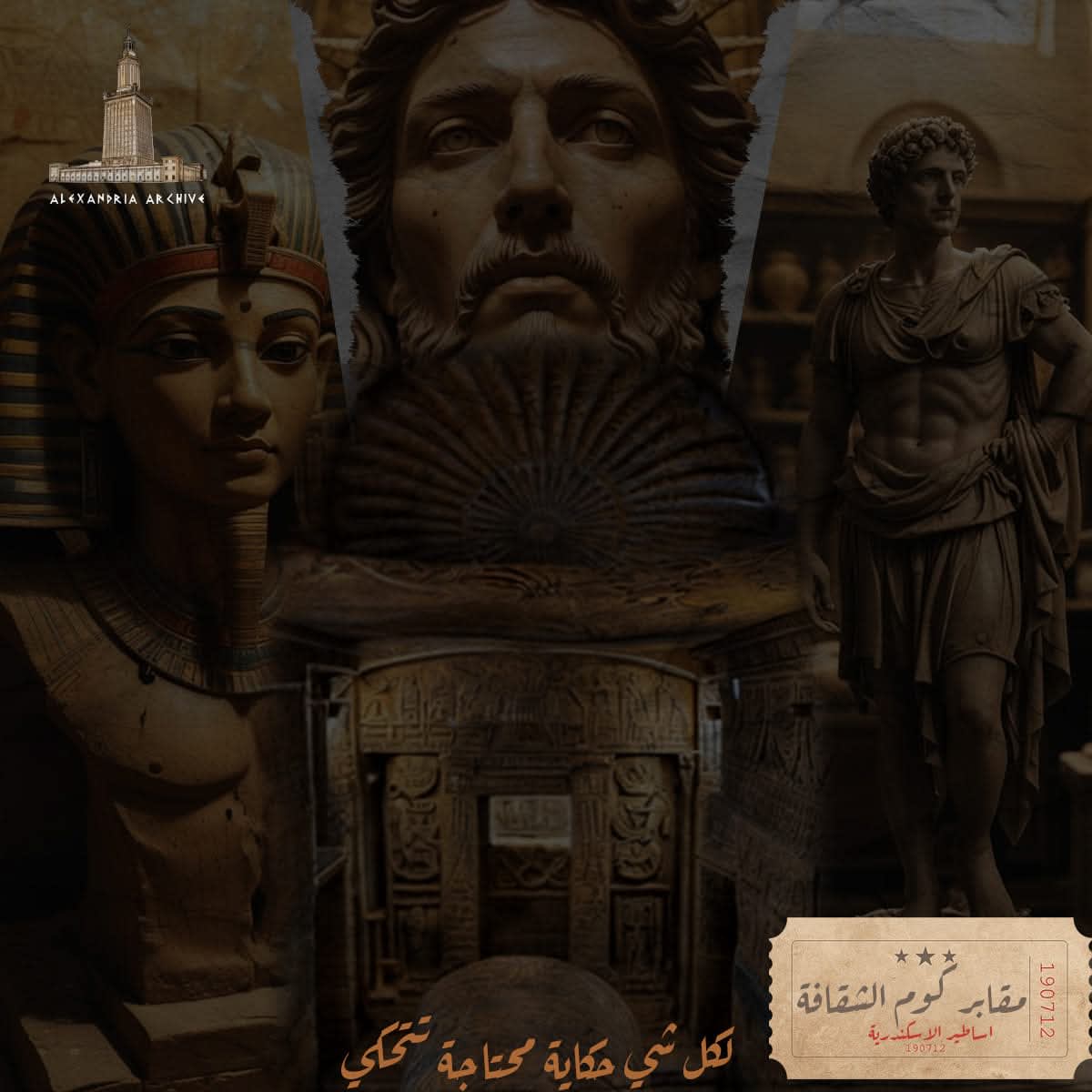
في حي كرموز غرب الإسكندرية، تقع واحدة من أهم وأكبر المقابر الأثرية الرومانية/اليونانية، التي كانت تُعد من عجائب الدنيا السبع في العصور الوسطى، تدور حولها الكثير من الأساطير التي تزيد من غموضها، وهي “مقابر كوم الشقافة”.
تُعرف مقابر كوم الشقافة “بسراديب الموتى”، وتعتبر المقبرة نوعًا من مقابر “الكاتا كومب”، والتي تكون محفورة تحت سطح الأرض، وهو نوع معروف في روما والمسيحية القديمة.
تضم المقبرة العديد من التماثيل والنقوش التي تجمع بين الأساطير المختلفة التي تداولتها الأجيال بين الحضارات الثلاثة “الفرعونية واليونانية والرومانية”، مثل التوابيت المزينة ورؤوس الميدوسا وأكاليل العنب، والتي تبرز التداخل الفني والثقافي بينهم، مما يترك للزائرين شعورًا بالسفر عبر الزمن.
يُقال إن بعض الرموز الغامضة على جدران وتماثيل المقبرة تحمل أسرارًا قديمة أو تعاويذ سحرية تحمي المقابر من الدخلاء. كما ظهرت في النقوش الأسطورة المصرية القديمة إيزيس خلف الإله أبيس، وعند الخروج من حجرة الدفن، يظهر أنوبيس، الإله ذو رأس ابن آوى، يقف على قاعدة على هيئة بوابة فرعونية.
ووفقًا للأسطورة الشعبية، فكانت المقابر تُستخدم أيضًا لإقامة الطقوس السرية والاجتماعات الخفية لبعض الجماعات بعيدًا عن الأنظار، مما زاد من هالة الغموض حول هذا المكان، كما يُقال إن الزوار كانوا يكسرون الأطباق الفخارية بعد تناول الطعام في المقابر كجزء من طقوس دينية قديمة أو تكريمًا للموتى، مما أدى إلى تراكم كميات كبيرة من الشقفات الفخارية، ومن هنا جاء اسم “كوم الشقافة”.
ومن أبرز الأساطير المتعلقة بالمقبرة هي أسطورة الفتاة الرومانية “كليوباترا”، التي كانت تنتمي إلى عائلة رومانية ثرية، لكن حياتها انتهت بشكل مأساوي عندما تعرضت لحادث قبل زفافها بفترة قصيرة، وقررت عائلتها دفنها في مقابر كوم الشقافة. ويُقال إن روحها لا تزال تجوب الممرات المظلمة للمقبرة، حيث يمكن للزوار سماع أصوات بكائها أو رؤية ظلال غامضة تتحرك، مما يضيف جوًا من الرهبة والغموض.
#أرشيف_الإسكندرية
Catacombs of Kom El Shoqafa
In the Karmouz neighborhood, west of Alexandria, lies one of the most important and largest Roman/Greek archaeological cemeteries, which was considered one of the Seven Wonders of the Middle Ages. It is surrounded by many legends that add to its mystery, and it is the “Catacombs of Kom El Shoqafa.”
The Catacombs of Kom El Shoqafa, known as the “Catacombs of the Dead,” are a type of underground burial site called “catacomb,” which is a well-known style in ancient Rome and early Christianity.
The cemetery contains many statues and inscriptions that combine the myths passed down through the generations from the three civilizations—Pharaonic, Greek, and Roman—such as the decorated sarcophagi, Medusa heads, and grape garlands. These artistic and cultural interweavings leave visitors with a feeling of traveling through time.
It is said that some of the mysterious symbols on the walls and statues of the tomb hold ancient secrets or magical spells to protect the graves from intruders. Egyptian mythology also appears in the inscriptions, with the goddess Isis depicted behind the god Apis, and upon exiting the burial chamber, Anubis, the jackal-headed god, stands on a base shaped like a Pharaonic gate.
According to local legend, the catacombs were also used for secret rituals and hidden meetings of certain groups, far from prying eyes, which further enhanced the aura of mystery surrounding the place. It is also said that visitors would break pottery dishes after eating in the tombs as part of ancient religious rituals or in honor of the dead, leading to the accumulation of large quantities of pottery fragments, from which the name “Kom El Shoqafa” (Mound of Shards) originated.
One of the most prominent legends associated with the tomb is the story of the Roman girl “Cleopatra,” who belonged to a wealthy Roman family. However, her life ended tragically when she was involved in an accident shortly before her wedding. Her family decided to bury her in the Catacombs of Kom El Shoqafa. It is said that her spirit still roams the dark corridors of the tomb, where visitors can hear the sound of her crying or see mysterious shadows moving, adding an atmosphere of dread and mystery.