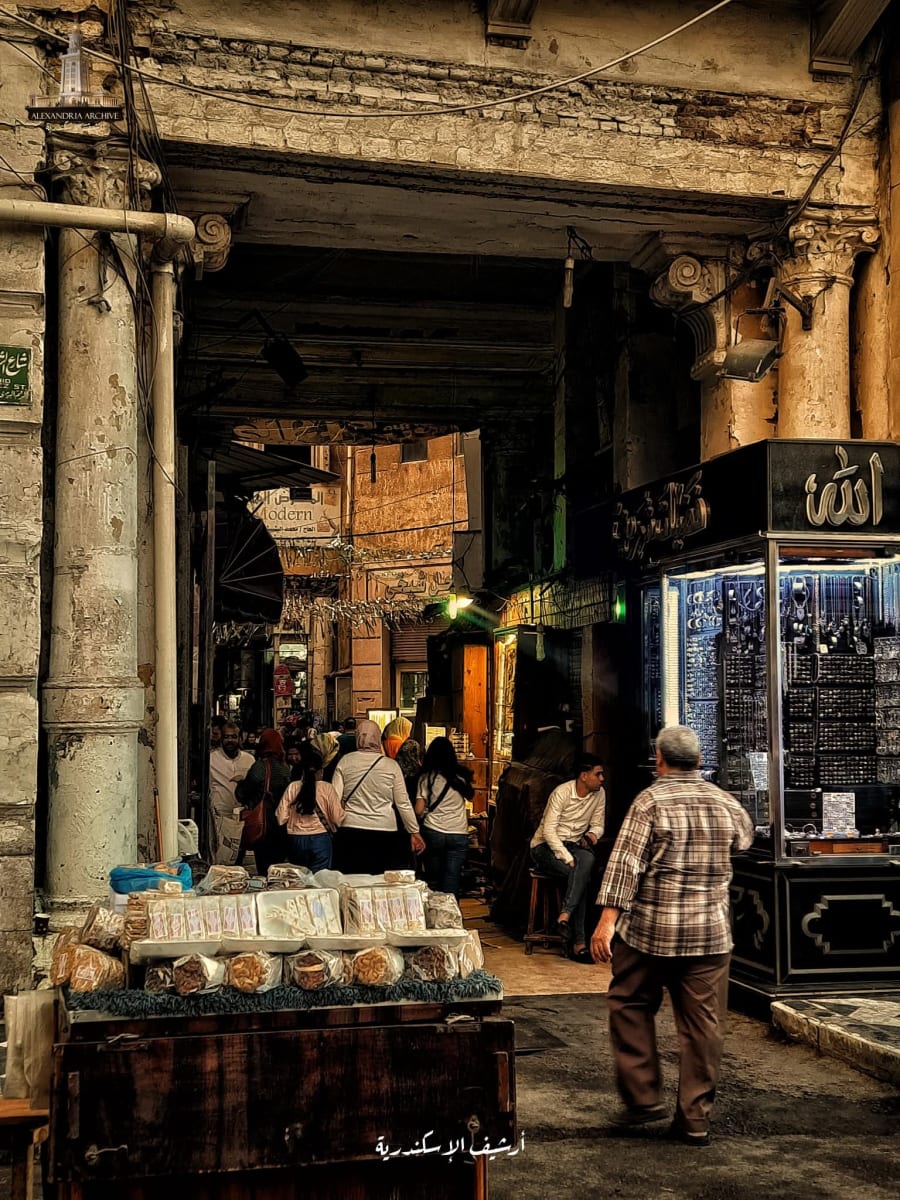
شارع فرنسا بالإسكندرية.. من معسكرات الخيول إلى قلب الحياة التجارية
في قلب الإسكندرية القديمة، حيث تتشابك الأزقة وتفوح رائحة التاريخ من بين الجدران، يمتد شارع «فرنسا» كأحد أعرق شوارع المدينة وأكثرها حيوية. لكن خلف هذا الاسم الأوروبي تختبئ حكاية طويلة، تعود إلى قرنين من الزمان، حين كانت المنطقة مسرحًا للأحداث العسكرية والتجارية التي شكلت ملامح المدينة الحديثة.
🏛 من «فرانكا» إلى «فرنسا».. حكاية اسم
الاسم الذي نعرفه اليوم كـ«شارع فرنسا» لم يكن هكذا منذ البداية. فالمصادر التاريخية تشير إلى أن الاسم الأصلي للشارع كان «شارع فرانكا – Franca»، وهي كلمة مشتقة من اللغات الأوروبية (وخاصة الإيطالية والفرنسية) وتعني «الفرنجة» أو «الأجانب».
خلال القرن التاسع عشر، كانت الإسكندرية مدينة متعددة الجنسيات، يسكنها المصريون إلى جانب الجاليات الإيطالية واليونانية والفرنسية والمالطية، وكان لكل جالية أحياؤها وأسواقها ومنازلها الخاصة.
في تلك الفترة، كان «شارع فرانكا» يمثل قلب الحي الأوروبي بالمدينة، ومن هنا جاءت تسميته نسبة إلى سكانه من «الفرنجة». ومع مرور الزمن وتعريب أسماء الشوارع خلال الحقبة الحديثة، تحولت «فرانكا» إلى «فرنسا»، وهو الاسم الذي استقر في الذاكرة السكندرية حتى اليوم.
🐎 إسطبلات الخيول والحملة الفرنسية
لكن القصة لا تقتصر على اللغة وحدها، بل تمتد إلى التاريخ العسكري.
فخلال الحملة الفرنسية على مصر (1798–1801) بقيادة نابليون بونابرت، أقام الفرنسيون معسكراتهم في عدة مناطق من الإسكندرية، وكان جزء من المنطقة التي تضم شارع فرنسا حاليًا يستخدم كإسطبلات لخيول الجيش الفرنسي ومخازن للعتاد والمؤن.
وبعد رحيل الحملة، ظلت المنطقة فترة طويلة شبه مهجورة حتى بدأت تتحول تدريجيًا إلى منطقة تجارية وسكنية، لتشهد تحولاً حضريًا هائلًا في النصف الثاني من القرن التاسع عشر.
🧵 من الإسطبلات إلى الأسواق
مع ازدهار التجارة في الإسكندرية وفتح قناة السويس عام 1869، بدأت الحياة تدبّ في تلك المنطقة القديمة. تحولت الإسطبلات القديمة إلى محال صغيرة ودكاكين حرفيين، ثم ظهرت أسواق متخصصة في بيع الأقمشة والعطور ومستحضرات الزينة.
ومن هنا، نشأت شهرة «زنقة الستات» المجاورة لشارع فرنسا، والتي كانت في الأصل جزءًا من تلك الإسطبلات القديمة قبل أن تتحول تدريجيًا إلى أشهر سوق نسائي في المدينة، تُباع فيه مستلزمات النساء والعروس السكندرية من ذهب وحرير وعطور.
💎 شارع الذهب والبهجة
خلال أوائل القرن العشرين، بدأت ملامح شارع فرنسا الحديثة تتكوّن. انتشرت فيه محال الصاغة والمجوهرات التي تميز بها الجاليات اليونانية والإيطالية، كما ظهرت متاجر الأقمشة الراقية ومحال الأدوات المنزلية وأماكن تجهيز «جهاز العروسة».
وأصبح الشارع يُعرف بين أهالي الإسكندرية باسم «شارع الذهب»، ليس فقط لوجود الصاغة، بل لأنه كان أحد أكثر الشوارع إشراقًا وبهجة وحركة. كانت الزغاريد تتعالى فيه مع كل زفة عروس، وكانت أنوار محاله لا تنطفئ حتى ساعات متأخرة من الليل.
🏙 في ذاكرة المدينة
لم يكن شارع فرنسا مجرد ممر تجاري، بل كان — وما زال — رمزًا للتحول الحضاري والاجتماعي في الإسكندرية. فقد ذكره عدد من الأدباء والرحالة في كتاباتهم، ومنهم الكاتب البريطاني لورانس داريل الذي وصفه في روايته "رباعية الإسكندرية" بأنه «قاع المدينة وتاجها في آنٍ واحد»، في إشارة إلى تنوع طبقاته الاجتماعية وثرائه الإنساني.
ويطل الشارع اليوم على أشهر معالم المدينة مثل سوق زنقة الستات وسوق الصاغة، محتفظًا ببريقه رغم تغير الزمن، كأنما يصر على أن يظل شاهدًا على تاريخ الإسكندرية الكوزموبوليتية التي جمعت الشرق بالغرب في قلبها.
✨ شارع فرنسا اليوم
لا يزال شارع فرنسا حتى اليوم واحدًا من أكثر الشوارع نبضًا بالحياة في منطقة المنشية. تتجاور فيه العمارات القديمة ذات الطراز الأوروبي مع المحال العتيقة التي لم تتغير منذ عقود، فيما تستمر أصوات الباعة وروائح التوابل والعطور في رسم مشهد لا يشبه إلا الإسكندرية.
وهكذا يبقى شارع فرنسا مثالًا حيًا على قدرة المدينة على التحول والبقاء، من معسكرات الخيول زمن نابليون إلى سوق الذهب والزغاريد، ومن "فرانكا" الأوروبية إلى "فرنسا" السكندرية الخالدة.
#أرشيف_الاسكندرية
#alexandria_archive
France Street in Alexandria
France Street in Alexandria… From Horse Barracks to the Heart of Commercial Life
In the heart of old Alexandria, where narrow alleys intertwine and the scent of history rises from between the walls, stretches France Street as one of the city’s oldest and most vibrant streets. Yet behind this European name lies a long story that goes back two centuries, when the area was a stage for military and commercial events that helped shape the modern city.
🏛 From “Franca” to “France”... The Story of a Name
The street we know today as France Street did not always bear this name. Historical sources indicate that its original name was “Franca Street,” a word derived from European languages—especially Italian and French—meaning “Franks” or “foreigners.”
During the nineteenth century, Alexandria was a multicultural city inhabited by Egyptians alongside Italian, Greek, French, and Maltese communities, each with its own neighborhoods, markets, and residences.
At that time, Franca Street represented the heart of the European quarter of the city, and its name reflected the presence of these foreign communities. With time, and the Arabization of street names during the modern era, “Franca” gradually became “France,” the name preserved in Alexandrian memory to this day.
🐎 Horse Stables and the French Campaign
But the story is not only linguistic—it also reaches into military history.
During the French Campaign in Egypt led by Napoleon Bonaparte, French forces established camps in several parts of Alexandria. Part of the area now occupied by France Street was reportedly used as stables for the French army’s horses, as well as storage for equipment and provisions.
After the French departure, the district remained partly neglected for a time, before gradually transforming into a residential and commercial area during the second half of the nineteenth century.
🧵 From Stables to Markets
With the growth of trade in Alexandria and the opening of the Opening of the Suez Canal, life returned strongly to the district. Former stables became small shops and craftsmen’s workshops, followed by specialized markets selling fabrics, perfumes, and beauty goods.
From this environment emerged the fame of nearby Zanqat El Setat, originally linked to those old service areas before becoming one of the city’s most famous women’s markets, known for bridal goods, gold, silk, and perfumes.
💎 The Street of Gold and Joy
By the early twentieth century, the modern identity of France Street began to take shape. Goldsmith and jewelry shops spread through the street, many associated with Greek and Italian merchants. Elegant textile stores, household shops, and bridal trousseau businesses also flourished.
The street became known among Alexandrians as “The Gold Street,” not only because of its jewelers, but because it was one of the city’s brightest and liveliest streets. Wedding ululations filled the air with every bridal procession, while shop lights remained on late into the night.
🏙 In the Memory of the City
France Street was never just a commercial passageway—it was, and still is, a symbol of Alexandria’s social and urban transformation. It reflects the cosmopolitan character of the city that once brought East and West together in one place.
Today, the street overlooks famous markets such as Zanqat El Setat and the gold market, still holding onto its glow despite the passing of time.
✨ France Street Today
To this day, France Street remains one of the most energetic streets in Mansheya. Old European-style buildings stand beside long-established shops that seem unchanged for decades, while the sounds of vendors and the scents of spices and perfumes continue to paint a scene found nowhere but Alexandria.
Thus, France Street remains a living example of the city’s ability to transform and endure—from horse camps in Napoleon’s era to the market of gold and celebration, and from European “Franca” to timeless Alexandrian “France.”