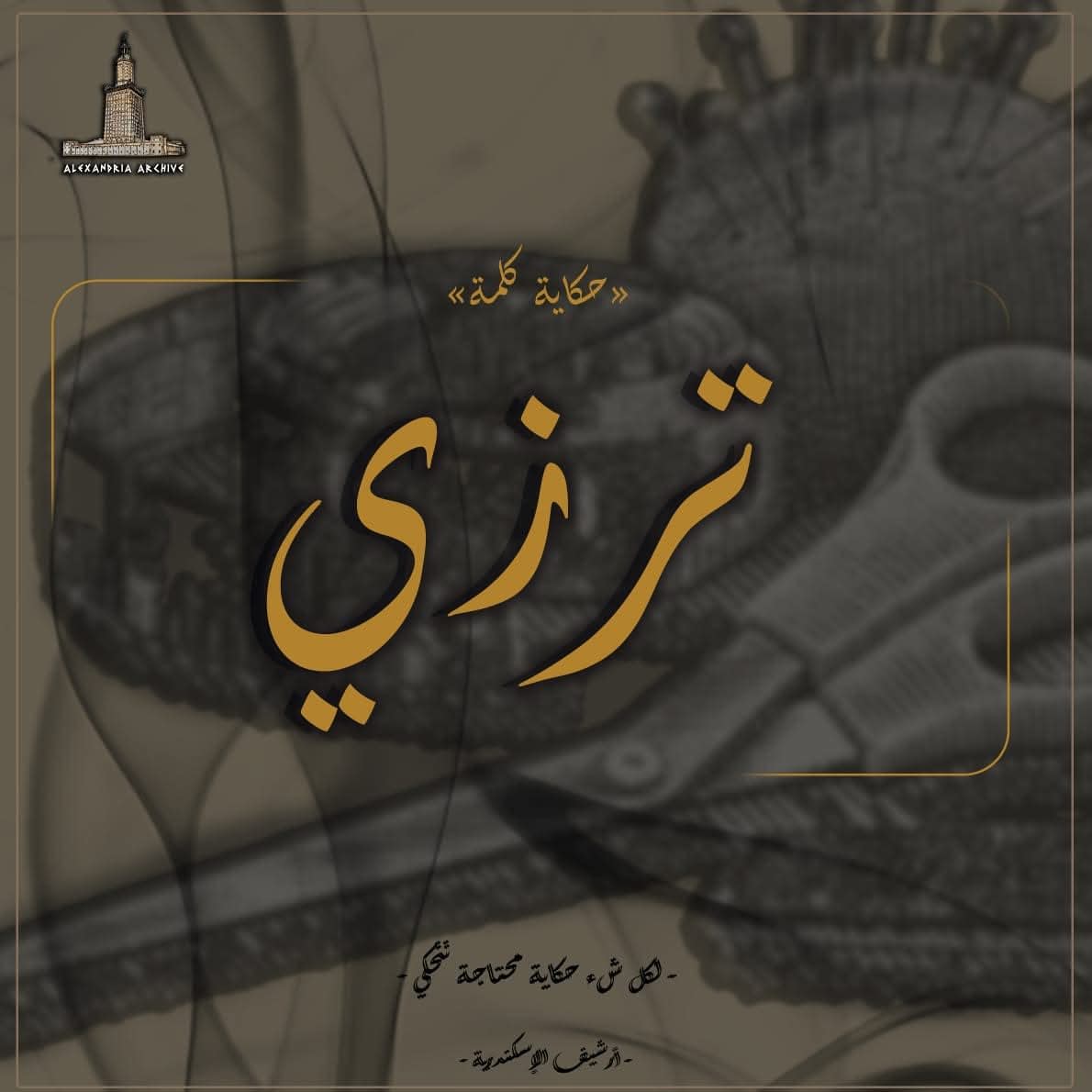
تأثرت اللغة العربية العامية بالعديد من اللغات فأصبحت مزيج منها وتدرجت الكلمات في اللغة العربية حتى صارت جزء لا يتجزأ منها وتستخدم وكأن أصلها عربي و احدى هذه الكلمات كلمة "ترزي".
كلمة "ترزي" تعني الخياط وهي كلمة تركية أصلها فارسي ، وأصلها "دَرزي" ثم تحولت الدال إلى تاء لتسهيل النطق على ألسنة العامة.
مهنة الخياطة من أهم المهن منذ فجر التاريخ فكان إعتماد الإنسان على أوراق الشجر ، وجلود الحيوان حتى صنع السرابيل وهي القمصان أو الجلابيب.
وأول من خاط الثياب في التاريخ كان نبي الله "إدريس" عليه السلام وكان يسبح ربه عند كل غرزة يصنعها في كل ثوب.
اللغة العربية تتنوع مفرداتها وأهميتها فهي مرآة للتاريخ والحضارات التي مرت بها كلما تعمقنا بها كلما اكتشفنا أصولها واستمتعنا بها.
#أرشيف_الإسكندرية
The story of the word "tailor"
Colloquial Arabic has been influenced by many languages, becoming a blend of them. Words have gradually been incorporated into the Arabic language until they are now an integral part of it, used as if they were of Arabic origin. One such word is "tarzi" (tailor).
The word "tarzi" means tailor. It is a Turkish word of Persian origin, originally "darzi," with the "d" sound changing to a "t" to facilitate pronunciation for the general public.
The profession of tailoring has been one of the most important professions since the dawn of history. Humans relied on leaves and animal hides to make garments such as robes or cloaks.
The first person in history to sew clothes was the Prophet Idris (peace be upon him), who would praise God with every stitch he made in each garment.
The Arabic language is rich in vocabulary and significance. It is a mirror reflecting the history and civilizations that have passed through it. The more we delve into it, the more we discover its origins and appreciate its beauty.