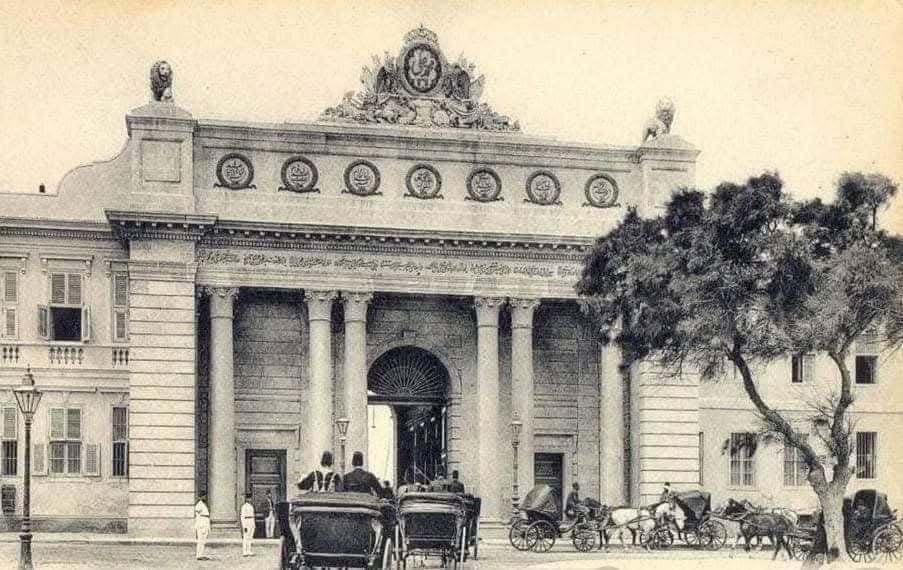
أحد أقدم القصور الملكية في تاريخ مصر، ويُعد نقطة التقاء التاريخ والثقافة البارزة في الإسكندرية التي تروي قصصًا من التاريخ، هو «قصر رأس التين».
- تاريخ القصر
يتميز هذا القصر بأنه عاصر فترة حكم أسرة محمد علي باشا، حيث بدأ تشييده عام 1834م على هيئة حصن بقرار من محمد علي باشا ليكون مقر حكمه في الإسكندرية؛ أخذ القصر تصميمًا فرنسيًا أوروبيًا تحت إشراف المهندس "سير يزي بيك" ومجموعة من المهندسين الفرنسيين، واستغرق بناؤه 13 عامًا حيث انتهى البناء عام 1847م ؛أُطلق عليه اسم "قصر رأس التين" لأن موقعه تميز بمنطقة ساحلية اشتهرت بزراعة أشجار التين.
- أحداث تاريخية بارزة
شهد القصر أحداثًا تاريخية مهمة، مثل وفاة محمد علي باشا عام 1848م، وترك الخديوي إسماعيل لمصر عام 1879م، وشهد نهاية الحقبة الملكية وبداية النظام الجمهوري بعد رحيل الملك فاروق على متن يخت «المحروسة» المتوجه إلى إيطاليا بعد تنازله عن العرش للأمير "أحمد فؤاد" بعد ثورة 23 يوليو عام 1952م ؛كما سمح الملك فاروق للقوات البريطانية بإعتبار القصر مستشفى للقوات البحرية البريطانية، وكان المقر الصيفي الرئيسي لحكام مصر.
- موقع القصر ومساحته
يقع القصر على ساحل البحر الأبيض المتوسط في غرب الإسكندرية بالقرب من الميناء الغربي، وتبلغ مساحته نحو فدانين وحدائق من حوله تقدر بمساحة 12 فدانًا.
- التصميم الداخلي والمعالم المميزة
وعن التصميم الداخلي، يتميز القصر بمعالم مختلفة من أبرزها البهو الرئيسي، قاعة العرش، القاعة القوطية، والقاعة الرخامية التي تزينها 4 لوحات جدارية عن إحدى قصص أساطير اليونان ؛يضم القصر العديد من اللوحات الفنية الثمينة والأثاث الأوروبي الفاخر، تحيط به جدران مزينة بالزخارف الذهبية.
- البوابة الشرقية والحدائق
يحيط بعتبة البوابة الشرقية أسدان تتوسطهما كتل رخامية تحوي طيورًا ودروعًا ونسرين متقابلين يحيطان بإسم «محمد علي»، وهو ما يشير إلى الجزء المتبقي من القصر القديم الذي بناه محمد علي باشا وتم دمجه في بناء القصر الجديد بمراحله التاريخية المتوالية ،وتتكون البوابة من 6 أعمدة جرانيتية تحمل عتبًا به سبع دوائر كُتب بداخلها آيات قرآنية بحروف نحاسية؛ حتى الحدائق، فهي تحتوي على زهور وأشجار نادرة ومتنوعة، ويزيد من فخامتها الزخارف الحجرية والنوافير وملاعب التنس ؛كما أنه يضم مرسى للسفن، وحمام سباحة، ومحطة سكة الحديد التي أمر بإنشائها الخديوي إسماعيل لينتقل هو وأسرته من خلالها إلى القاهرة، وأمر الملك فؤاد بتجديدها عام 1920م.
- التحديثات في عهد الملك فؤاد
في عهد الملك فؤاد، تم إعادة بناء القصر ليكون من 3 طوابق، وأصبح تصميمه أكثر عصرية، وتم بناء مسجد له طابع معماري متميز ؛كما أحضر الملك فؤاد نجفة عملاقة من الكريستال تزن حوالي 2.5 طن توجد داخل قاعة القبة، التي تتميز أيضًا بأرضيتها المصنوعة من الباركيه المزين بالصدف على هيئة طيور وفراشات ؛وفي عهد الملك فاروق، تم إضافة "مبنى الأميرات"، الذي كان مخصصًا للملكة والأميرات في ذلك الوقت، ومن أبرز الصالونات بالقصر هو "صالون العلم".
- تسجيل القصر كأثر تاريخي
نظرًا لأهمية القصر، تم تسجيل قصر رأس التين من ضمن الآثار الإسلامية والقبطية في 5 سبتمبر عام 2015م من قِبَل المجلس الأعلى للآثار، ويخضع القصر بشكل دوري إلى أعمال الترميم للحفاظ على قيمته التاريخية من آثار عوامل الزمن والرطوبة البحرية ؛حيث إنه يعتبر المقر الرسمي لرئيس الجمهورية في الإسكندرية، لذا فهو مغلق أمام الجمهور إلا في حالات استثنائية مثل الإجتماعات الرسمية واستقبال الضيوف الكبار من رؤساء الدول خلال زياراتهم للإسكندرية.
Ras El Tin Palace
One of the oldest royal palaces in the history of Egypt and a prominent point of convergence for history and culture in Alexandria that tells stories from the past is the "Ras El Tin Palace."
- History of the Palace
This palace is notable for having witnessed the reign of the Muhammad Ali Dynasty. Its construction began in 1834 as a fortress by the decree of Muhammad Ali Pasha to serve as his governing residence in Alexandria. The palace was designed in a European French style under the supervision of engineer "Sir Yezzi Bey" and a group of French engineers. The construction took 13 years, with completion in 1847. It was named "Ras El Tin Palace" due to its location in a coastal area famous for growing fig trees.
- Significant Historical Events
The palace witnessed important historical events, such as the death of Muhammad Ali Pasha in 1848 and Khedive Ismail’s departure from Egypt in 1879. It also witnessed the end of the royal era and the beginning of the republican system after King Farouk departed aboard the yacht "Al-Mahrousa" heading to Italy after abdicating in favor of Prince "Ahmed Fouad" following the July 23 Revolution of 1952. Additionally, King Farouk allowed British forces to use the palace as a hospital for British naval forces, and it served as the main summer residence for Egypt's rulers.
- Location and Area of the Palace
The palace is located on the Mediterranean coast in western Alexandria, near the western harbor, and its area spans about two feddans, with surrounding gardens covering an area of 12 feddans.
- Interior Design and Distinctive Features
Regarding the interior design, the palace features various distinct elements, including the main hall, the throne room, the Gothic hall, and the marble hall adorned with four murals depicting one of the stories from Greek mythology. The palace houses numerous valuable artworks and luxurious European furniture, surrounded by walls decorated with golden ornaments.
- The Eastern Gate and Gardens
The threshold of the eastern gate is flanked by two lions, with marble blocks featuring birds, shields, and two facing eagles surrounding the name "Muhammad Ali." This indicates the remaining part of the old palace built by Muhammad Ali Pasha, which was integrated into the new palace construction through its successive historical phases. The gate consists of six granite columns that support a lintel featuring seven circles inscribed with Quranic verses in brass letters. The gardens contain rare and diverse flowers and trees, enhanced by stone ornaments, fountains, and tennis courts. It also includes an arts marina, a swimming pool, and a railway station commissioned by Khedive Ismail for transporting him and his family to Cairo, which King Fouad ordered to be renovated in 1920.
- Updates during King Fouad’s Reign
During King Fouad's reign, the palace was reconstructed to consist of three floors, and its design became more modern. A mosque with a distinctive architectural style was also built. Additionally, King Fouad brought a giant crystal chandelier weighing about 2.5 tons to the dome hall, which also features a floor made of parquet decorated with mother-of-pearl in the shapes of birds and butterflies. In the era of King Farouk, the "Princesses' Building" was added, which was designated for the queen and princesses at that time, and one of the most notable salons in the palace is the "Salon of Knowledge."
- Registration of the Palace as a Historical Monument
Given the importance of the palace, Ras El Tin Palace was registered among Islamic and Coptic monuments on September 5, 2015, by the Supreme Council of Antiquities. The palace undergoes periodic restoration work to preserve its historical value from the effects of time and marine humidity. As it serves as the official residence of the President of the Republic in Alexandria, it is closed to the public except in exceptional cases, such as official meetings and receiving high-profile guests from heads of state during their visits to Alexandria.