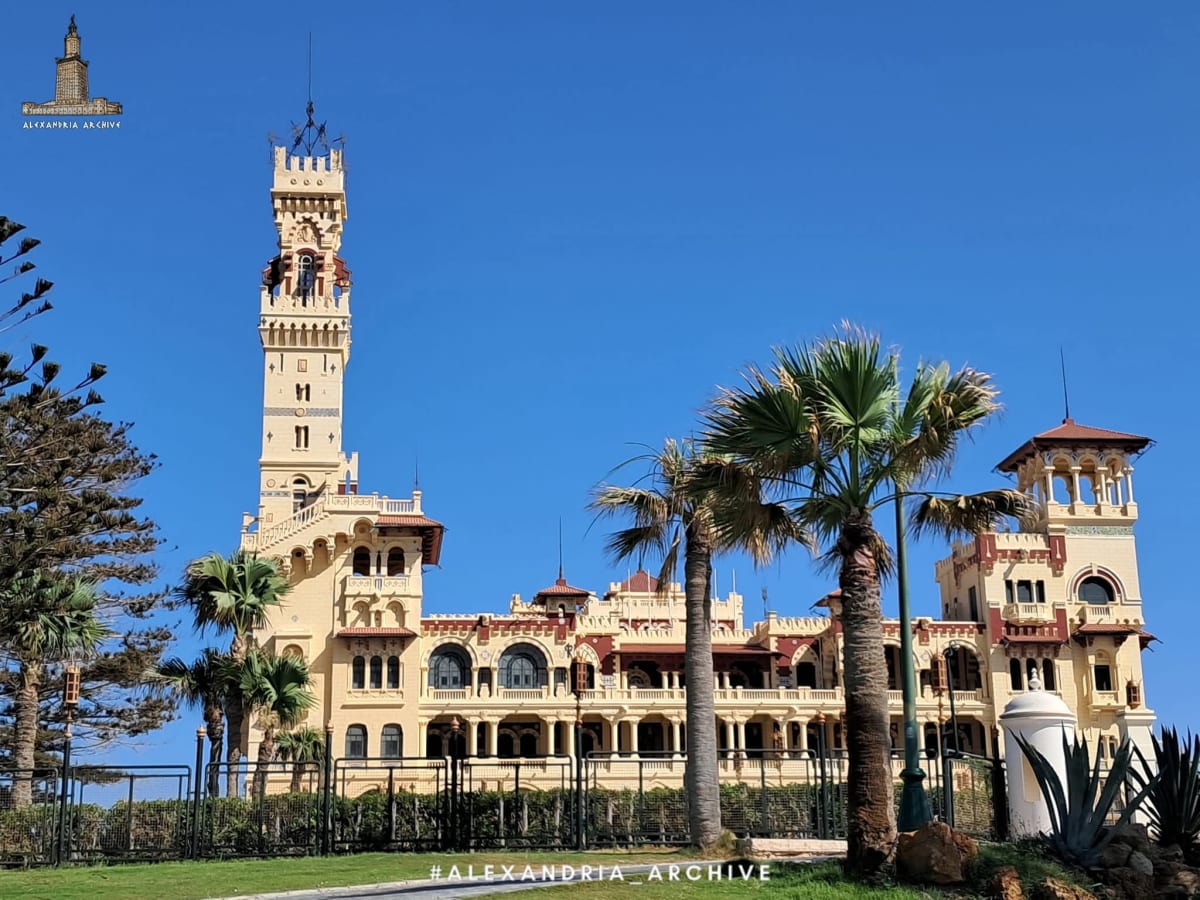
من أهم التحف المعمارية الخالدة في فنون العمارة المصرية والذي يميز مدينة الإسكندرية وهو أحد قصور الأسرة الملكية في مصر «قصر المنتزه».
يوجد قصرين في حي المنتزة أحدهم قصر "السلاملك" الذي بناه الخديوي عباس حلمي الثاني سنة 1892 ، وقصر "الحرملك" والذي بات يعرف بقصر المنتزه والذي أعاد بنائه الملك فؤاد الأول على نظام معماري يتوافق مع النظام الذي بنيت به القصور الملكية في المنتزه وأشهر ما يميزه برج الساعة ، وكشك الشاي حيث بُني على الطراز الروماني ومطل على شاطىء البحر المتوسط ، ليتناول فيه الملك وحاشيته "شاي العصاري" ومناقشة أمور الحكم.
ويقع القصر بمنطقة المنتزه داخل حدائق المنتزه شرق الإسكندرية وتتزين جدرانه بحرف "الفاء" ، وقرر الملك فؤاد في عام 1926 بإعادة بنائه على غرار القصور الملكية الإيطالية ؛ حيث قام بتكليف مهندس القصور الملكية بعملية بناء القصر وهو الإيطالي "أرنستو فيروتشي" ، الذي صممه على غرار "قصر ماكينزي" في فلورنسا عام 1927 .
ويعد قصر المنتزه من القصور الملكية الوحيدة التي كانت شاهدة على أهم الأحداث السياسية العربية والعالمية ، واقيم بداخله أول مؤتمر قمة عربي عام 68 ، وشهد أيضاً في عهد السادات زيارة الرئيس كارتر لمصر وكان القصر محل إقامته خلال تواجده بالإسكندرية.
يحيط بالقصر حدائق المنتزه التي تبلغ مساحتها 370 فداناً ، تضم أشجار عتيقة وأحواض زهور نادرة يتم العناية بها على مدار اليوم وبعضها من النباتات النادرة ويزيد عمرها عن 100 عام ، حيث أعجب الخديوي عباس حلمي الثاني بالمنتزه وقتها ، وقرر إضافة قصرًا وحدائق ، وأشرف الخديوي بنفسه على تنظيم الحديقة في أواخر القرن التاسع عشر ، ثم أضيف قصر المنتزه المخصص لإقامة أفراد الأسرة المالكة ، فضلاً عن مبانٍ خدمية أخرى منها إنشاء جسر إيطالي قوطي الطراز يربط الجزيرة بالشاطئ ينتهي بفنار يرشد السفن إلى خليج المنتزه الذي كان يرسو به يخت الملك فاروق والذي يحمل اسم "المحروسة"، وسينما للأميرات، وبرج المياه، ومحطة القطار الملكية، ومكاتب الإدارة والركائب الملكية.
وخلال فترة الحرب العالمية الأولى من 1914: 1918 تم استخدام القصر كمستشفى عسكري ميداني للجنود ، و بعد ثورة 1952، تم تحويل القصر إلى متحف مفتوح للجمهور، مما ساهم في الحفاظ عليه وتقديمه كأحد أهم المعالم السياحية في مصر.
#أرشيف_الإسكندرية
Al Montazah Palace 🏰
One of the most iconic and enduring architectural masterpieces of Egyptian architecture, distinguishing the city of Alexandria, is "Montaza Palace."
There are two palaces in the Montaza area: one is the "Salamlik Palace," built by Khedive Abbas Helmy II in 1892, and the other is the "Haramelek Palace," which has come to be known as "Montaza Palace." King Fuad I rebuilt it in an architectural style that aligns with the design of the royal palaces in Montaza. One of its most notable features is the Clock Tower, as well as the Tea Pavilion, which was built in the Roman style and overlooks the Mediterranean Sea, where the king and his entourage would enjoy afternoon tea and discuss state matters.
The palace is located in the Montaza area within the "Montaza Gardens" in eastern Alexandria, and its walls are adorned with the letter "F." In 1926, King Fuad decided to rebuild it in the style of Italian royal palaces; he commissioned the royal palace architect, the Italian "Ernesto Verrucci," who designed it after the "Mackenzie Palace" in Florence in 1927.
"Montaza Palace" is one of the few royal palaces that witnessed key political events in the Arab world and globally. It hosted the first Arab Summit in 1968 and also witnessed President Carter's visit to Egypt during Sadat's era, where the palace served as his residence during his stay in Alexandria.
Surrounding the palace are the "Montaza Gardens," which span 370 acres and include ancient trees and rare flowerbeds that are meticulously cared for around the clock, with some plants over 100 years old. Khedive Abbas Helmy II admired Montaza at the time and decided to add a palace and gardens. He personally oversaw the organization of the garden in the late 19th century. Later, "Montaza Palace," designated for the royal family, was added, along with other service buildings, including a Gothic-style Italian bridge connecting the island to the shore, which ends with a lighthouse that guided ships to "Montaza Bay," where King Farouk's yacht, "El Mahrousa," was docked. The estate also included a cinema for the princesses, a water tower, the royal train station, administration offices, and the royal stables.
During World War I (1914-1918), the palace was used as a military field hospital for soldiers. After the 1952 Revolution, the palace was transformed into an open museum for the public, contributing to its preservation and establishing it as one of Egypt's key tourist attractions.