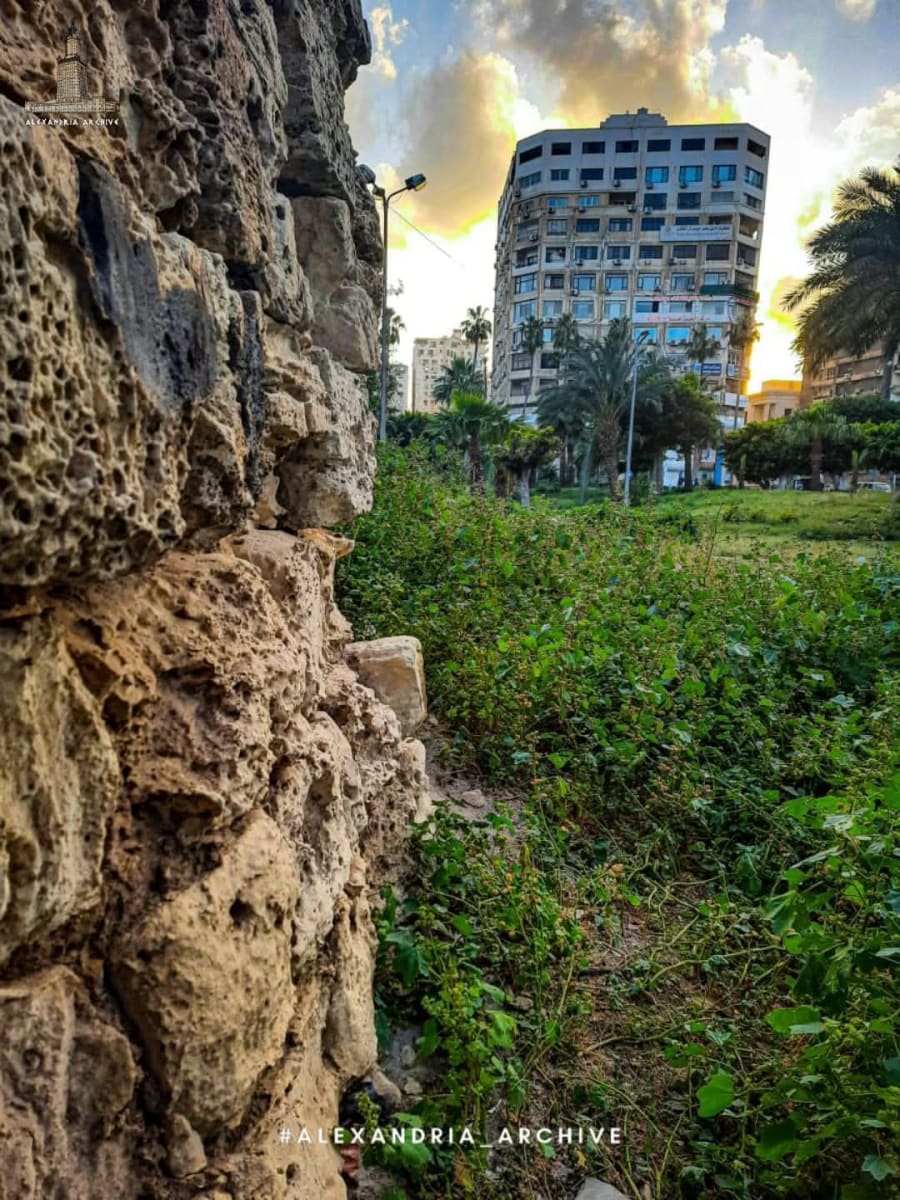
سور الشلالات الذي يعتبر من أحد أهم المعالم الأثرية الإسلامية في إسكندرية.
تم إنشاء سور يحيط بالمدينة في عصر إلاسكندر الأكبر والبطالمة وزاد تحصين المدينة في عصر الرومان، حيث كان يتكون من سور خارجي يبلغ ارتفاعه نحو 10 أمتار بينما سور داخلي يكون أكبر وأكثر سمكًا، كان يتميز السور القديم بشكل مستطيل وبني من محاجر المكس، وكان الهدف من بناء السور قديما هو حماية المدينة من هجمات الأعداء، فكانت تلك الأسوار تشمل عدة أبراج يحيط بها خندق يطلق فيه ماء البحر عند الضرورة.
وقد مر على السور العديد من العصور ابتدااءً من عمر ابن العاص الذي قام بفتح الإسكندرية عام 21 هجريًا، وقام بهدم جزء من السور حصين بأبراجه وقلاعه حتى لا يتخذ المعارضين حصنًا لهم، أما عن عصر أحمد بن طولون فقام ببناء سور يحيط بالأجزاء العامرة بالمدينة، وكانت مساحة المدينة فى ذلك الوقت أقل من نصف مساحتها فى عصرالرومان، حيث كان السور الأول فى العصر الإسلامى، وكان يدعى" بسور العرب".
وقام أحد الولاة عام 517 هجريًا في عصر الفاطمي بإصلاح سور المدينة وتجديد أجزاء منه اتهدمت بعد ذلك نتيجة الحركات الثورية والفتن .
أما عن عصر المملوكي فقد قام السلطان بيبرس بترميم السور وحدث بعد ذلك زلزال أدى إلى انهدام أجزاء كبيرة منه عام 702 هجريًا وذكر المقريزى أن بسبب الزلزال اتهدم 46 بدنة و 17 برج من السور الأمامى.
كما تم إهمال السور تماماً في العصر العثماني، وظل سور باب الرشيد موجود إلا أن بدأت جدرانه تتلاشى 1882واختفى تمامًا عام 1885.
حاليًا لم يبقى من السور إلا حطام وأجزاء قليلة وسط الإسكندرية وكان يضم نحو 100 برج لم يتبقى إلا 4 أبراج بمنطقة أبو قير، من حيث البرج الغربى فيقع فى حدائق الشلالات البحرية ؛
أما البرج الشرقى فيقع داخل سور الاستاد الرسمى الحالى لمدينة الإسكندرية ، ويقع خلفة تل ترابى به كمية كبيرة من شقف الفخار .
#أرشيف_الإسكندرية
waterfall wall
The Walls of Al-Shalalat, considered one of the most important Islamic archaeological landmarks in Alexandria, were constructed during the eras of Alexander the Great and the Ptolemies. The city's fortifications were reinforced during Roman times, comprising an outer wall approximately 10 meters high and a thicker, taller inner wall. The ancient walls were rectangular and built from limestone quarries, intended to protect the city from enemy attacks, featuring numerous towers surrounded by a moat filled with seawater when necessary.
Throughout the centuries, the walls witnessed various periods, starting from the conquest of Alexandria by Amr ibn al-As in 21 AH, who partially demolished the fortified walls to prevent opponents from using them as strongholds. During the era of Ahmad ibn Tulun, new walls were erected around the expanding parts of the city. The city's area was smaller compared to Roman times, and the first Islamic wall was known as the "soor Al-Arab"
In 517 AH, during the Fatimid Caliphate , a governor repaired parts of the city walls that had been damaged due to revolutionary movements and conflicts. During the Mamluk Caliphate , Sultan Baybars restored the walls, but a subsequent earthquake in 702 AH caused significant damage, collapsing 46 towers and 17 sections of the front wall, as reported by Al-Maqrizi.
During the Ottoman Caliphate , the walls were completely neglected, with only remnants remaining, such as those around Bab Rashid, which began to deteriorate in 1882 and disappeared entirely by 1885.
Today, little remains of the walls in Alexandria except for scattered ruins and a few sections. The walls once housed around 100 towers; now only 4 towers remain in the Abu Qir area. The western tower is located in the Marine Shalalat Gardens, while the eastern tower lies within the current official stadium wall of Alexandria, behind which is a hill with a large quantity of pottery shards.