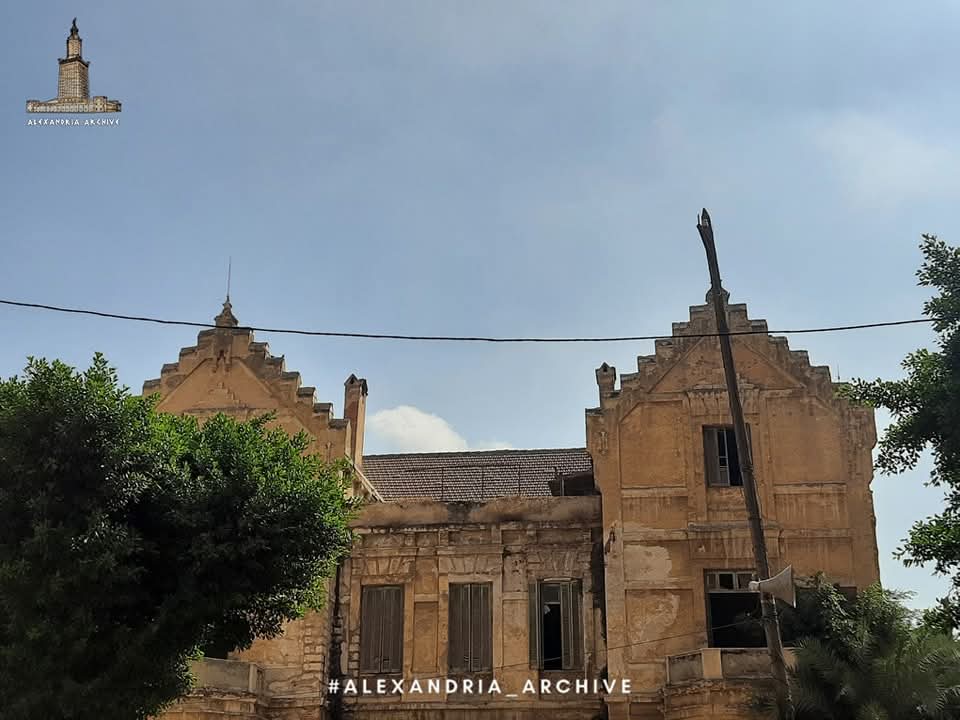
حي محرم بك هو أحد الأحياء القديمة في عروس البحر الأبيض المتوسط وقد كان أحد أرقى أحياءها، أثناء تجولك في شوارع هذا الحي العريق ستجد تحفة معمارية قديمة قد اندثرت ملامحها وتقع في شارع قد سُمي على اسمها وهو "قصر البارون منشا" وهو أحد القصور القديمة الأثرية بالإسكندرية.
الجدير بالذكر أن كلمة "بارون" في الفرنسية "Baron" تعني (المحارب او الحر) وقد اندمجت وتشابهت فيما بعد بالكلمة الإنجليزية "Beron" والتي تعني "النبيل".
أسم مالك القصر : البارون دي منشا
مولده : 1865م - 1943م
درس في ڤيينا وأسس فرع بيت منشه في لندن، وترأس الطائفة اليهودية بالإسكندرية في الفترة ما بين 1926 و 1933
كان تاجراً ماهراً، تزوج من السيدة روزيتا كلرديا الإربيارى دى يسندش دى منشه والتى توفيت بعده عام 1949 وكانا لهما من الأولاد جورج دى منشه وجان دى منشه، المعلومات حسب إعلام الوراثة الصادر بإسم عائلة منشه من محكمة الإسكندرية الإبتدائية رقم 22 لسنة 2001 تركات أجانب بجلسة 26/6/2001 مادة تركات، هذا وقد تم فرض الحراسة على جميع أملاك الرعايا البريطانيين والفرنسيين وفقًا للأمر العسكري رقم 5 لسنة 1956
وعقدت الحكومة المصرية وحكومة المملكة المتحدة بتاريخ 28/2/1959 إتفاقية دولية بشأن العلاقات التجارية المالية والأملاك البريطانية فى مصر وصدر الأمر العسكري رقم 54 لسنة 1959 بشأن رفع الحراسة على الأموال البريطانية بتاريخ 1/3/1959 وتم إنهاء الحراسة المفروضة وفقا للأمر العسكرى رقم 5 لسنة 1956 وقد صدر قبل ذلك أيضًا الأمر العسكري رقم 36 لسنة 1958 فى 18/9/1958 بإنهاء الحراسة.
منذ ذلك التاريخ تم رفع الحراسة عن قصر البارون دى منشا ووضعت وزارة التربية والتعليم يدها على القصر.
ومازال القصر يقف وحيداً ينظر على باقى المباني المجاورة حزينًا على الوضع الذى وصل إليه من إهمال بعد أن كانت الدائرة بالكامل ملك هذه العائلة، الأمر الذى جعل العائلة تهدي بلدية الإسكندرية قطعة من ممتلكاتها بإمتداد القصر ليقام عليها متحفًا للفنون الجميلة، ليكون أحد أهم العلامات الثقافية والفنية البارزة في مدينة الإسكندرية، لم يتضح لنا إلى الآن صلة القرابة بين فيلكس دي منشا وشارل دي منشا واهب القصر والمدوّن في أوراق رسمية يملكها المتحف.
كان صاحب القصر ذو نفوذ عالٍ فقد قام الخديوي إسماعيل بزيارته في قصره في واقعة مؤكدة.
حسب روايات قديمة لأشخاص دخلوا القصر، أنه من الداخل عبارة عن لوحة فنية نادرة حيث تتحلى أسقفه وحوائطه بمجموعة رسومات فنية نادرة يتحاكى بجمالها كل من شاهدها.
وحسب روايات أسطورية أخرى يروي بعض الأهالي عن أصوات تخرج من القصر ليلاً، وتُضاء به الأنوار بالرغم من إغلاقه منذ عشرات السنين.
اندثر واختفى الكثير من معالم وتراث عروس البحر الأبيض المتوسط وأصبحت كالعجوز تحتاج الى من يرعاها ويهتم بها كما اعتاد محبينها أن تكون.
#أرشيف_الإسكندرية
Baron Palace Mensha
Moharram Bek district is one of the oldest neighborhoods in the Bride of the Mediterranean, and it was once among its most prestigious areas. While wandering through the streets of this historic district, you will come across an old architectural masterpiece whose features have faded with time. It is located on a street that was named after it: “Baron Menasce Palace,” one of Alexandria’s ancient historic palaces.
It is worth mentioning that the word “Baron” in French means “warrior” or “free man,” and it later became associated with the English word “Baron,” meaning “nobleman.”
Name of the palace owner: Baron de Menasce
Born: 1865 – 1943
He studied in Vienna, established the Menasce House branch in London, and headed the Jewish community in Alexandria from 1926 to 1933.
He was a skilled merchant and married Mrs. Rosetta Claudia Erbari de Menasce, who passed away in 1949, after him. They had two sons: Georges de Menasce and Jean de Menasce. These details are according to the inheritance declaration issued in the name of the Menasce family by the Alexandria Primary Court, Case No. 22 of 2001 concerning foreign estates, session dated 26/6/2001.
All properties belonging to British and French nationals were placed under sequestration according to Military Order No. 5 of 1956.
On 28 February 1959, the Egyptian government and the Government of the United Kingdom signed an international agreement regarding commercial and financial relations and British properties in Egypt. Military Order No. 54 of 1959 was issued on 1 March 1959 to lift sequestration on British assets, thereby ending the sequestration imposed under Military Order No. 5 of 1956. Prior to this, Military Order No. 36 of 1958 had also been issued on 18 September 1958 to terminate sequestration.
Since that time, sequestration over Baron de Menasce Palace was lifted, and the Ministry of Education took control of the palace.
The palace still stands alone today, overlooking the neighboring buildings, saddened by the state of neglect it has reached after the entire surrounding area once belonged to this family. This led the family to donate part of their property extending from the palace to the Municipality of Alexandria in order to establish the Museum of Fine Arts, which became one of the most prominent cultural and artistic landmarks in Alexandria. However, the relationship between Félix de Menasce and Charles de Menasce, the donor of the palace mentioned in official documents owned by the museum, remains unclear.
The palace owner was highly influential; Khedive Ismail is confirmed to have visited him in his palace.
According to old accounts from people who entered the palace, its interior was like a rare artistic masterpiece, with ceilings and walls adorned with magnificent paintings admired by everyone who saw them.
Other legendary tales told by local residents speak of mysterious sounds emerging from the palace at night, and lights appearing inside despite it having been closed for decades.
Many landmarks and much of the heritage of the Bride of the Mediterranean have disappeared and faded away, leaving the city like an old woman in need of care and attention, just as her lovers always wished her to be.