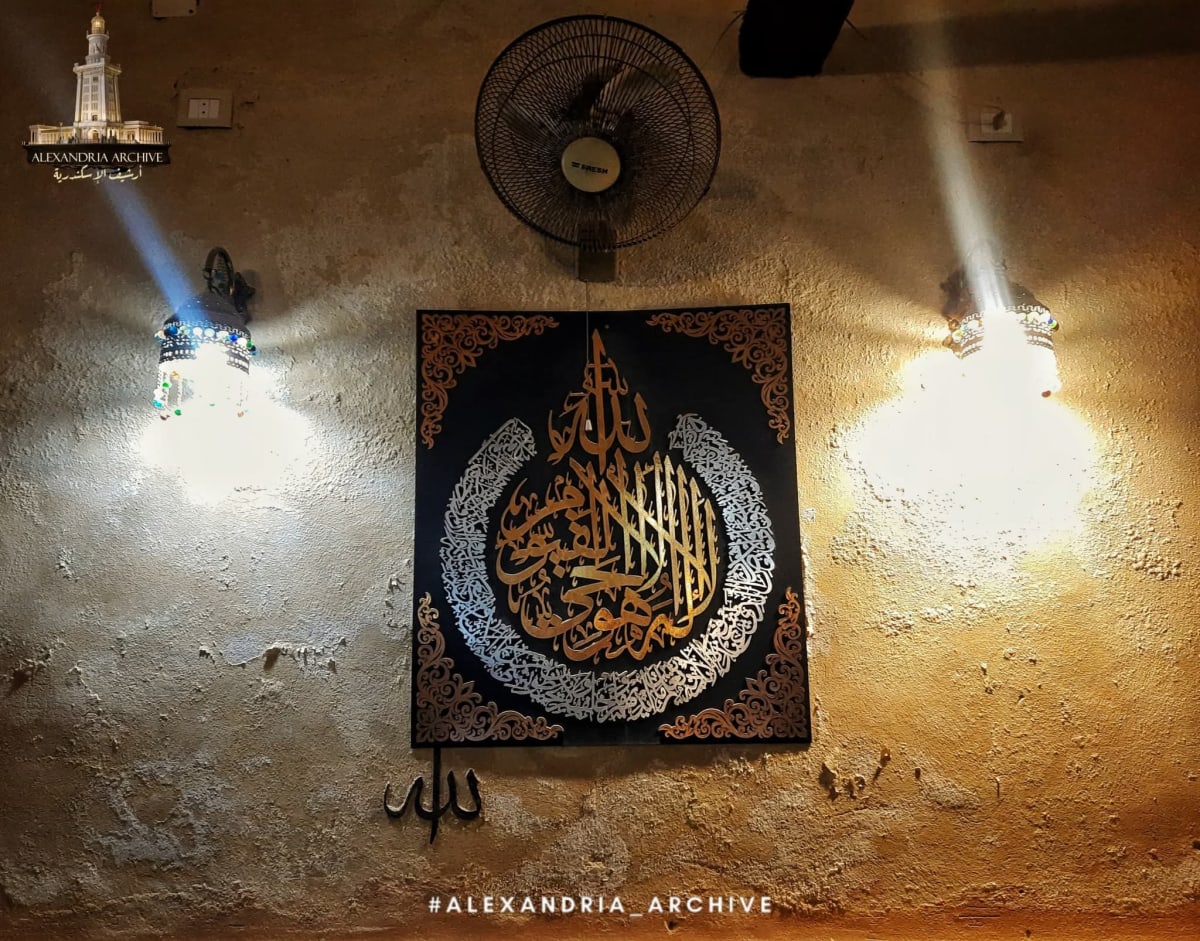
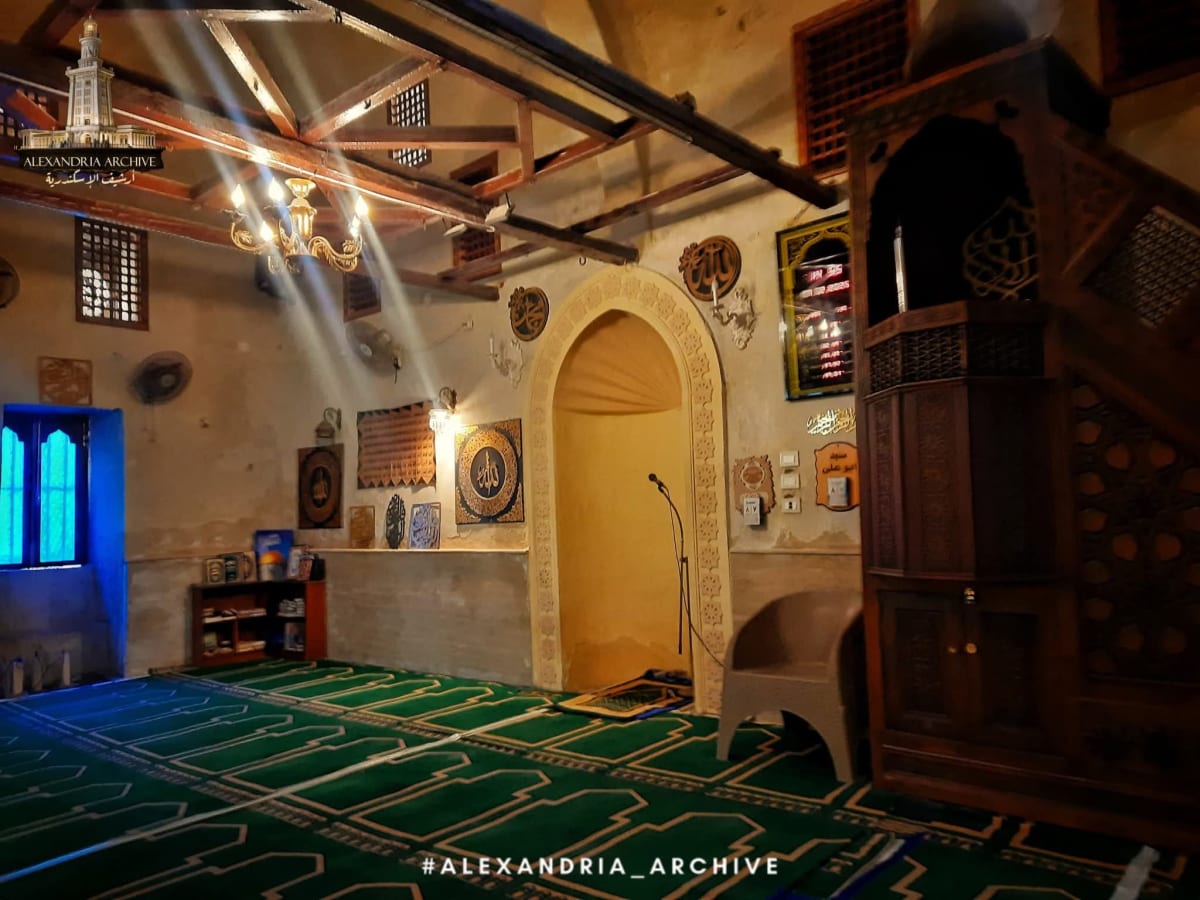
واحد من أقدم وأهم المساجد الأثرية في محافظة الإسكندرية، مسجد "أبو علي" الذي يعتبر من أبرز معالم العلم والدين في الإسكندرية، وقد ظل على مر العصور مركزًا لتعليم القرآن والحديث، ومكانًا يعكس الدور الكبير الذي لعبته هذه المنطقة في التاريخ الإسلامي.
يقع في منطقة الجمرك بحارة البلقطرية، و يعود تاريخ إنشاء المسجد إلى عام 678 هـ (1279م)، عندما أسسه التاجر الأديب عبد اللطيف بن رشيد محمد التكريتي كمكان مخصص لتلاوة القرآن الكريم، الحديث النبوي، ودراسة الفقه على المذهب الشافعي، وعرفت المدرسة التي أنشأها باسم "دار الحديث التكريتية". بعد ذلك، قام الأمير مصطفى بك أمير اللواء السلطاني بتجديد المسجد، ثم نال المسجد بعض التدهور قبل أن يتم تجديده مرة أخرى في عام 1709م.
يعد مسجد "أبو علي" أول مسجد في الإسكندرية يدرس المذهب الشافعي، وكان منبرًا علميًا هامًا، خاصة في مجال تحفيظ القرآن الكريم والحديث النبوي. كما كان مقصدًا للوافدين من مختلف أنحاء العالم العربي، وخاصة من العراق وتونس والمغرب، الذين كانوا يتوافدون عبر ميناء الإسكندرية القريب، فكان بمثابة ملتقى للعلماء والتجار من مختلف الدول العربية. تم تسميته مسجد "أبو علي" نسبة إلى "أبو علي"، أحد الأعيان الذين ساهموا في بناء المسجد والإشراف عليه. كان المسجد منبرًا علميًا دينيًا مهمًا في الإسكندرية.
يطل المسجد على ثلاثة شوارع رئيسية: الواجهة الجنوبية الشرقية تطل على شارع علي بك جنينة، الواجهة الجنوبية الغربية على شارع قبو الملاح، والواجهة الشمالية الشرقية على شارع حارة مسجد أبو علي.
يحمل المسجد قيمة تاريخية كبيرة وهو مسجل كأثر بموجب قانون الآثار، ويخضع للإشراف الأثري والهندسي من قبل هيئة الآثار الإسلامية. يحتوي المسجد على لوحتين رخاميتين توثق تاريخ تأسيسه، واحدة أمام باب الصلاة والأخرى أمام مدخل المسجد. كما يتكون المسجد من أبواب خشبية ونوافذ بسيطة، مع مئذنة حديثة بارتفاع 13 مترًا. ورغم التجديدات التي مر بها المسجد، لا يزال يحتفظ بهيكله القديم حتى اليوم، تحت إشراف وزارة الأوقاف التي تتولى ترميمه.
أشهر ما يميز المسجد هو هيكله المعماري، حيث أن المسجد يحتوي على أربعة أقبية ضحلة غير مزخرفة تغطي بيت الصلاة، بالإضافة إلى أبواب خشبية بسيطة: باب من واجهة المسجد بشارع أبو علي، باب من ناحية شارع قبو الملاح، وآخر خلف المسجد، وجميع الأبواب مصنوعة من الخشب البسيط مع ضلفتين.
#أرشيف_الإسكندرية
Abu Ali Mosque
The "Abu Ali" Mosque is one of the oldest and most important historical mosques in the Alexandria Governorate. It is considered one of the most prominent landmarks of science and religion in the city, having remained throughout the ages a center for teaching the Quran and Hadith, and a place that reflects the significant role Alexandria played in Islamic history.
The mosque is located in the Gumruk district, in the Harat al-Bulqatriyya alley. Its construction dates back to the year 678 AH (1279 AD), when it was founded by the literary merchant Abd al-Latif ibn Rashid Muhammad al-Tikriti as a place dedicated to reciting the Holy Quran, the Prophet's Hadith, and studying jurisprudence according to the Shafi'i school of thought. The school he established was known as "Dar al-Hadith al-Tikritiyya" (The House of Hadith of al-Tikriti). Later, Prince Mustafa Bey, Amir of the Sultanic Brigade, renovated the mosque. It then suffered some deterioration before being renovated again in 1709 AD.
The "Abu Ali" Mosque is the first mosque in Alexandria where the Shafi'i school of thought was taught, and it was an important scientific platform, especially in the field of memorizing the Holy Quran and the Prophet's Hadith. It was also a destination for those coming from various parts of the Arab world, especially from Iraq, Tunisia, and Morocco, who arrived via the nearby Alexandria port. It served as a meeting place for scholars and merchants from various Arab countries. It was named the "Abu Ali" Mosque after "Abu Ali," one of the notables who contributed to the construction and supervision of the mosque.
The mosque overlooks three main streets: the southeastern facade overlooks Ali Bey Junaina Street, the southwestern facade overlooks Qabw al-Mallah Street, and the northeastern facade overlooks Harat Masjid Abu Ali Street.
The mosque holds great historical value and is registered as an antiquity under the Antiquities Law, and is subject to archaeological and engineering supervision by the Islamic Antiquities Authority. The mosque contains two marble plaques documenting its founding history, one in front of the prayer door and the other in front of the mosque entrance. The mosque consists of wooden doors and simple windows, with a modern minaret 13 meters high. Despite the renovations it has undergone, it still retains its old structure to this day, under the supervision of the Ministry of Endowments, which is responsible for its restoration.
The most distinctive feature of the mosque is its architectural structure. The mosque contains four shallow, undecorated vaults that cover the prayer area, in addition to simple wooden doors: a door from the mosque's facade on Abu Ali Street, a door from the Qabw al-Mallah Street side, and another behind the mosque. All doors are made of simple wood with two leaves.