بعد انتشار الإسلام في شمال أفريقيا أصبحت الإسكندرية الميناء الأول على طريق الحجاج من سكان شمال افريقيا إلي مكة لأداء فريضة الحج ، و اهتم حكام الإسكندرية بالحجاج و مع زيادة أعدادهم أصبح لهم دور إقامة خاصة بهم ومنذُ الدولة الأيوبية ١١٧١ - ١١٩٣م استقر العديد من مسلمين المغرب بالإسكندرية للأستفادة من اساليب التعليم المتطورة الموجودة بها ثم استقر العديد من التجار بالمدينة .
وفي أواخر القرن السابع عشر الميلادي قام واحد من أشهر التجار المغاربة المقيمين بالإسكندرية ويسمي "الحاج إبراهيم تربانة" بتمويل بناء مسجد يحمل اسمه في قلب الحي التركي "شارع فرنسا حالياً" ، فأُنشئ المسجد في عام ١٦٨٤م في العصر العثماني .
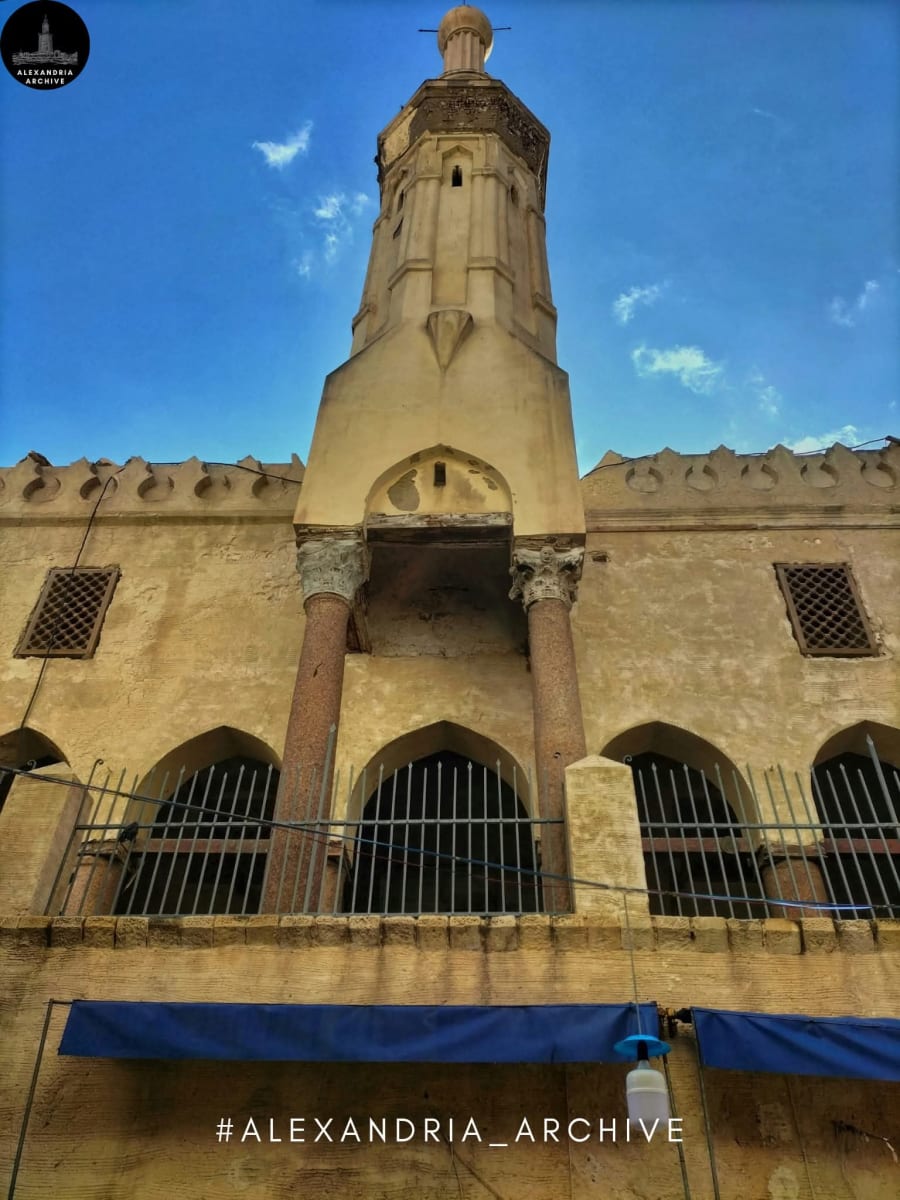
ويعتبر مسجد تربانة من المساجد المعلقة الشهيرة بالاسكندرية ، ويطلق هذا الإسم على المساجد التي تتكون من طابقين ، حيث تقام بها الصلاة بالطابق العلوي ؛ و يصل المصلون إلي الطابق العلوي للمسجد مباشرة عن طريق سلم خارجي و يكون به المحراب الذي يتوسطه الجدار الجنوبي الشرقي مزين ببلاط قيشاني يرجع للعصر العثماني ، بينما الطابق الارضي به سبيل ، و كان مخصص بالكامل لمحلات تجارية كانت فيما مضى تنفق إيراداتها على صيانة المسجد و لكن توقف هذا الفعل مؤخراً .
للمسجد مدخلان ؛ الأول في جهة الجنوب الغربي وهو عبارة عن فتحة مستطيلة ، والمدخل الآخر في جهة الشمال الغربي و يصل إلي الميضأة ، و يوجد في جميع اركانه أعمدة تعود لقرون قبل إنشائه عليها رموز و زخارف رومانية قديمة وهو مشهد معتاد فى المناطق الأثرية التي تعج بها أرض الإسكندرية ، و لكن كان مشهد غير معتاد داخل المساجد ، فكانت رؤيته أمر غريب داخل مسجد تربانة الأثري المُعلق .
أما قاعة الصلاة في المسجد فهي مستطيلة الشكل و تبلغ مساحتها حوالي ٣٥٠ متر مربع وهي مسقوفة بسقف خشبي تُزينه زخارف ملونة ، والسقف محمول على أربعة صفوف من العقود المرتكزة على ثمانِ أعمدة رخامية ، بينما خصصت شرفة داخلية كمصلى للسيدات .
وترتكز مئذنة المسجد على عمودين ضخمين من حجر الجرانيت تزينها زخارف رومانية وهي تنتمي إلى طراز المآذن المملوكية و يعلو العمودين قبو متقاطع يحمل المئذنة ، وهذا النوع من المآذن تميزت به مساجد الإسكندرية في العصر العثماني و لم يبقى اليوم .
ويُعد مسجد تربانة إلى جانب مسجد الشوربجي بشارع الميدان هما أهم معالم العصر العثماني في الإسكندرية و إلى اليوم و بعد مرور أكثر من ثلاثة قرون علي بناء مسجد تربانة فإنه لا يزال مقصداً للمصلين من أبناء الإسكندرية في المنطقة والمناطق المحيطة .
ولكن قيمته الأثرية والمعمارية غائبة عن سكان تلك المنطقة و التي تعد من أكثر مناطق الأسكندرية حيوية ويؤمه الكثير من أهالي الإسكندرية ، فقد اعتادوا وجوده و لم يتمتعوا بفرصة التأمل في تفاصيله العريقة و التاريخ الذي يحمله في ثنايا طرازه الأثري ، وحتى الآن غائباً أيضاً عن الخريطة السياحية الإسلامية بالإسكندرية .
#أرشيف_الإسكندرية
Turbana Mosque
After the spread of Islam in North Africa, Alexandria became the primary port on the pilgrimage route for North Africans traveling to Mecca for Hajj. The rulers of Alexandria took great care of the pilgrims, and as their numbers increased, they were provided with special accommodations. During the Ayyubid period (1171-1193 CE), many Moroccan Muslims settled in Alexandria to benefit from its advanced educational methods, and later, many merchants also settled in the city.
In the late 17th century CE, one of the most prominent Moroccan merchants residing in Alexandria, named Haj Ibrahim Tarbana, financed the construction of a mosque bearing his name in the heart of the Turkish Quarter (now known as Rue de France). The mosque was built in 1684 CE during the Ottoman era.
The Tarbana Mosque is considered one of the famous "hanging mosques" in Alexandria. This term refers to mosques consisting of two floors, where prayers are held on the upper floor. Worshippers reach the upper floor of the mosque directly via an external staircase. The mihrab, located in the center of the southeastern wall, is decorated with Ottoman-era tiles. The ground floor contains a sabil (public water fountain) and was once entirely dedicated to shops whose revenues were used for the mosque's upkeep, though this practice has recently ceased.
The mosque has two entrances: a rectangular opening on the southwest side and another on the northwest side leading to the ablution area. At all corners are columns dating back centuries before its construction, bearing ancient Roman symbols and decorations—a common sight in the numerous archaeological sites of Alexandria. However, this was an unusual sight within mosques, making it a striking feature of the historic Hanging Mosque of Turbana.
The mosque's prayer hall is rectangular, measuring approximately 350 square meters. It is covered by a wooden ceiling adorned with colorful decorations, supported by four rows of arches resting on eight marble columns. An inner balcony serves as a women's prayer area.
The mosque's minaret rests on two massive granite columns adorned with Roman motifs, belonging to the Mamluk minaret style. A cross vault supports the minaret, a style characteristic of Alexandria's Ottoman-era mosques, though no longer found today.
The Tarbana Mosque, along with the Shurbaji Mosque on Al-Midan Street, are considered among the most important Ottoman-era landmarks in Alexandria. Even today, more than three centuries after its construction, the Tarbana Mosque remains a destination for worshippers from Alexandria and the surrounding areas.
However, its historical and architectural value is largely unknown to the residents of this area, one of Alexandria's most vibrant and frequented by many Alexandrians. They have grown accustomed to its presence but have not had the opportunity to appreciate its rich details and the history it holds within its architectural style. It is also currently absent from Alexandria's Islamic tourist map.