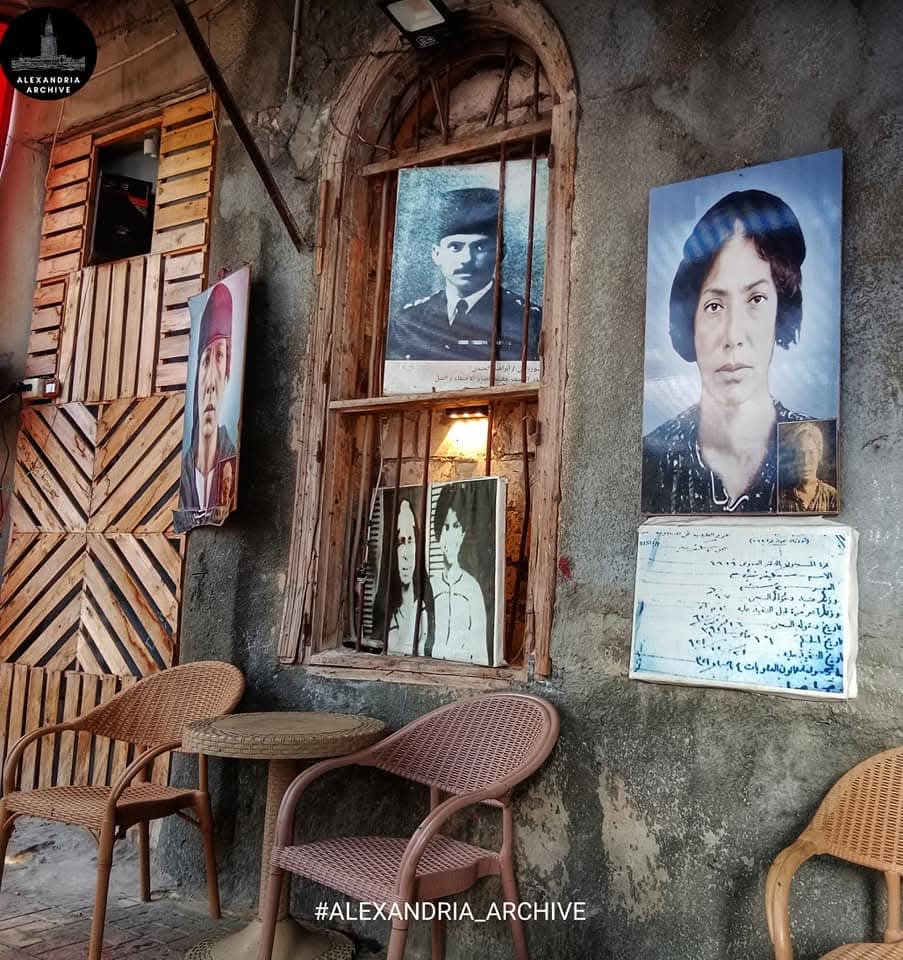
عند الحديث عن الإسكندرية لا يجب أن ننسى أهم الشخصيات البارزة التي تأصلت قصصهم وحياتهم في التاريخ حديثنا اليوم عن «ريا وسكينه»
ولدت ريّا في قرية الكلح التابعة لمركز إدفو بمحافظة أسوان في أقصى صعيد مصر في عام 1875 على وجه التقريب، بينما ولدت سكينة في كفر الزيات في عام 1885 تقريبًا. توفي والدهما في سن صغيرة، ثم انتقلت الأسرة إلى بني سويف ثم إلى كفر الزيات حيث كانت تعمل الشقيقتان في جمع القطن، تزوجت «ريا» من حسب الله سعيد مرعي وأنجبت منه طفلة تُدعى «بديعة» وطفل آخر توفي بعد ولادته بفترة وجيزة، ثم انتقلت سكينة مع زوجها الجديد إلى الإسكندرية لتقيم في حي اللبان نحو عام 1913، ولحقتها فيما بعد أختها ريّا مع أسرتها، تطلقت سكينة من زوجها وتزوجت بمحمد عبد العال الذي كان جارهم في ذلك الوقت.
ومع الظروف الاقتصادية الطاحنة التي واجهت المنطقة أثناء الحرب العالمية الأولى وانتشار البطالة والفقر اتجهت الأسرة للأعمال غير المشروعة والدعارة السرية، ثم بدأوا التفكير في سرقة المصوغات الذهبية من السيدات ثم دفنهن بشكل خفي ولا يترك أي أثر.
تم إلقاء القبض عليهم وتوجيه تهمة القتل العمد لـ 17 سيدة وتم إدانتهم من قبل المحكمة، وتم إعدامهم في 21 و 22 ديسمبر سنة 1921. تعد ريا وسكينة أول سيدتين يتم تنفيذ حكم الإعدام عليهن في تاريخ مصر الحديث.
وبالرغم من أن التشكيل العصابي كان مكون من 6 أفراد (ريا، سكينة، حسب الله، عبد العال، عرابي وعبد الرازق) إلا أن قصتهما اشتهرت إعلامياً بـ «ريا وسكينة» وكذلك تناولت الكثير من الأعمال الفنية نفس الاسم، حيث ألهمت قصتهن العديد من صناع الفن وبلغت نحو 12 عملاً فنياً بين أفلام ومسلسلات ومسرحيات وأعمال إذاعية لتكون أكثر شخصيات تم اقتباس قصتهن في الأعمال الفنية العربية، كما صدرت عدة مؤلفات عن حياتهن وجرائمهن وأشهرها كتاب (رجال ريا وسكينة) من تأليف صلاح عيسى عام 2002.
#أرشيف_الإسكندرية
Raya and Sakina
When discussing Alexandria, we mustn't forget its most prominent figures, whose stories and lives are deeply ingrained in history. Today, we're talking about Raya and Sakina.
Raya was born in the village of Al-Kalh, near Edfu in Aswan Governorate, in Upper Egypt, around 1875. Sakina was born in Kafr El-Zayat around 1885. Their father died when they were young, and the family moved to Beni Suef, then back to Kafr El-Zayat, where the sisters worked picking cotton. Raya married Hasaballah Saeed Marai and had a daughter named Badia and another son who died shortly after birth. Sakina then moved with her new husband to Alexandria, settling in the Al-Labban neighborhood around 1913. Later, her sister Raya and her family joined her. Sakina divorced her husband and married Mohamed Abdel Aal, who was their neighbor at the time.
With the dire economic conditions that plagued the region during World War I, and the widespread unemployment and poverty, the family turned to illegal activities and clandestine prostitution. They then began to devise a plan to steal gold jewelry from women and bury them discreetly, leaving no trace.
They were arrested, charged with the premeditated murder of 17 women, convicted by the court, and executed on December 21 and 22, 1921. Raya and Sakina were the first two women to be executed in modern Egyptian history.
Although the criminal gang consisted of six members (Raya, Sakina, Hasaballah, Abdel Aal, Orabi, and Abdel Razek), their story became famous in the media as "Raya and Sakina," and many artistic works have featured the same name. Their story inspired numerous artists, resulting in approximately 12 artistic productions, including films, television series, plays, and radio programs, making them one of the most frequently adapted figures in Arab art. Several books have also been published about their lives and crimes, the most famous being "The Men of Raya and Sakina" by Salah Issa, published in 2002.