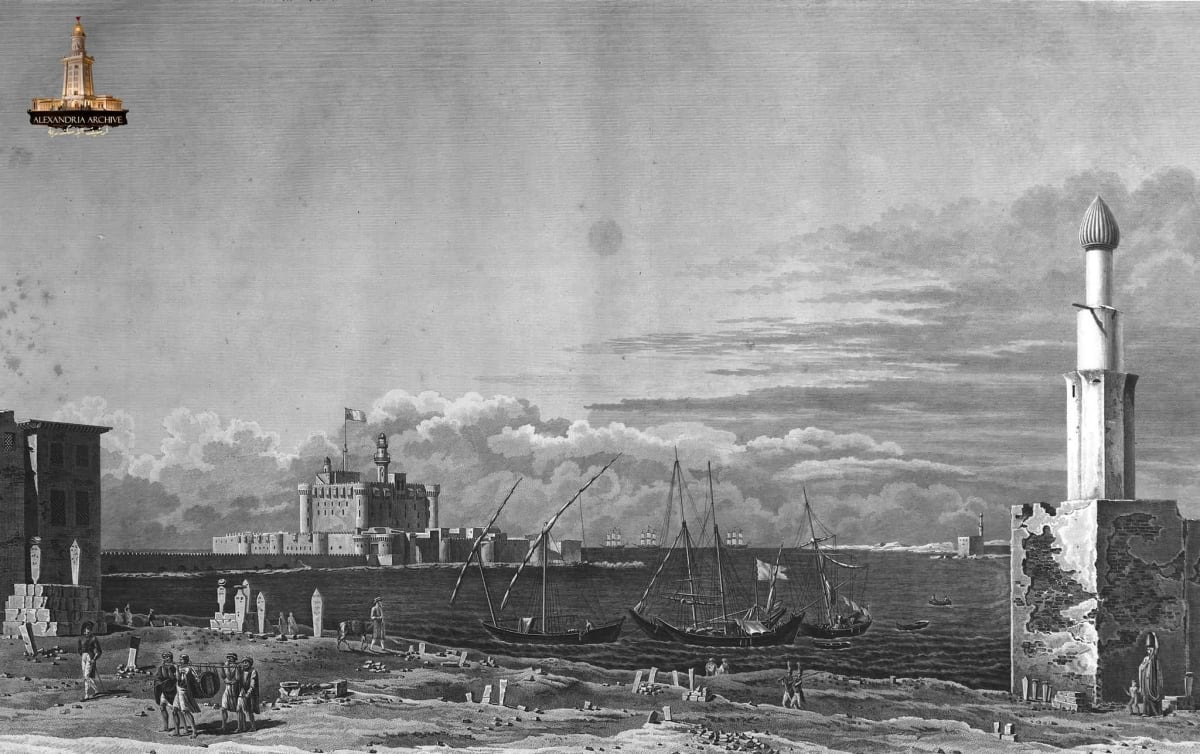
في عام 1517، دخلت القوات العثمانية القاهرة، وأصبحت مصر ولاية تابعة للدولة العثمانية. أما الإسكندرية، التي كانت منفتحة على البحر وحركة التجارة البحرية، فقد استفادت كثيرًا من هذا الوضع الجيوسياسي الجديد. لم تعد مدينة حدودية مهددة بالهجمات، مما دفع السكندريين إلى هجر المدينة المحصنة في العصور الوسطى والاستقرار في شبه الجزيرة خارج الأسوار، بالقرب من الموانئ.
ومع القرن السابع عشر، بدأت ملامح المدينة الجديدة تتشكل بمساجدها ودكاكينها ووكالاتها وفنادقها (الفنادق التجارية)، وهو ما وصفه الرحالة العثماني أولياء جلبي وغيرهم من الرحالة الأوروبيين. وحافظ العثمانيون على تقسيم الميناءين: الميناء الشرقي الذي كان يُعرف بـ"ميناء الكفار"، والميناء الغربي المخصص للمسلمين والأسطول الإمبراطوري. وبعد الفتح بفترة قصيرة، أمر السلطان العثماني ببناء حصن جديد وترسانة بحرية هناك.
لكن مع القرن الثامن عشر، بدأت الإسكندرية تدخل مرحلة من التراجع، حيث أُهملت موانئها وتُركت شبه مهجورة. وبسبب انسداد القناة وعدم صلاحيتها للملاحة، اضطرت السفن للإبحار بمحاذاة الساحل للوصول إلى النيل، فأصبحت مدينة رشيد أكثر أهمية في نقل البضائع.
👤 يوهان هيلفريش (1566) كتب عن "الفوندقات" أو الفنادق التجارية، موضحًا أن الأجانب المسيحيين لم يُسمح لهم بالسكن في أنحاء المدينة بشكل منفرد، بل كان لكل أمة مبنى خاص بها يُسمى "فندق"، يُعين فيه قنصل يمثلها، مثل قنصل فرنسا. هذه المباني كانت مربعة الشكل، بطابقين: الطابق العلوي مخصص لغرف التجار، والسفلي لتخزين البضائع. وكان للفندق باب واحد فقط يُغلق مساءً ويُفتح صباحًا تحت إشراف حارس مغربي، يطرق بمطرقته على قطعة حديد لتنبيه من بالخارج قبل إغلاق الباب.
⚓ بيري ريس، البحار والخرائطي العثماني الشهير، وُلد عام 1465 في جاليبولي. شارك في عدة حملات بحرية، مما أكسبه خبرة واسعة بالمتوسط وفنون الملاحة. عام 1513، رسم خريطته الأولى للعالم، ووضع الأطلسي في مركزها مع أجزاء من أوروبا وإفريقيا والعالم الجديد. ذكر بيري ريس أنه جمع مصادر من الشرق والغرب لإعدادها.
وعام 1518، وخلال رحلته إلى مصر، أعد خرائط لساحل الإسكندرية وموانئها. ثم ألّف كتابه الشهير "كتاب البحرية" (Kitâb-i Bahriyye) الذي صدر عام 1521 وأُعيد نشره عام 1526، جامعًا بين الخرائط والإرشادات البحرية. وفي عام 1547 عُين أميرًا لأسطول مصر العثماني، لكنه أُعدم في القاهرة عام 1554 بعد هزيمة في الخليج الفارسي.
✍️ أما الرحالة الشهير أولياء جلبي (Evliya Çelebi)، فقد وُلد في إسطنبول عام 1611. اسمه الحقيقي غير معروف، حيث استخدم "أولياء" كلقب و"جلبي" كصفة تُطلق على الرجال المتعلمين. نشأ في عائلة ثرية وتلقى تعليمًا راقيًا قبل أن يلتحق بخدمة البلاط في عهد السلطان مراد الرابع. منذ 1640 بدأ رحلاته الطويلة في أنحاء الدولة العثمانية، وسجل مشاهداته في موسوعة ضخمة من عشرة مجلدات عُرفت بـ"سياحتنامه"، خُصص المجلد العاشر منها لمصر.
كانت كتاباته نابضة بالحياة مقارنة بأسلوب عصره، إذ وصف كل ما أدهشه: المدن، المعالم، القلاع، الناس، العادات، الملابس والمهرجانات. وفي عام 1672، وصل إلى مصر وزار الإسكندرية، حيث أقام شهرًا كاملًا، قبل أن يستقر في القاهرة حتى وفاته عام 1683.
📌 هكذا، لعبت الإسكندرية في العصر العثماني دورًا مهمًا بين ازدهار تجاري ومعماري في القرن السابع عشر، وانحدار نسبي في القرن الثامن عشر، بينما حفظ لنا بيري ريس وأولياء جلبي وغيرهم من الرحالة صورة غنية لتاريخ المدينة وثقافتها في ذلك العصر.
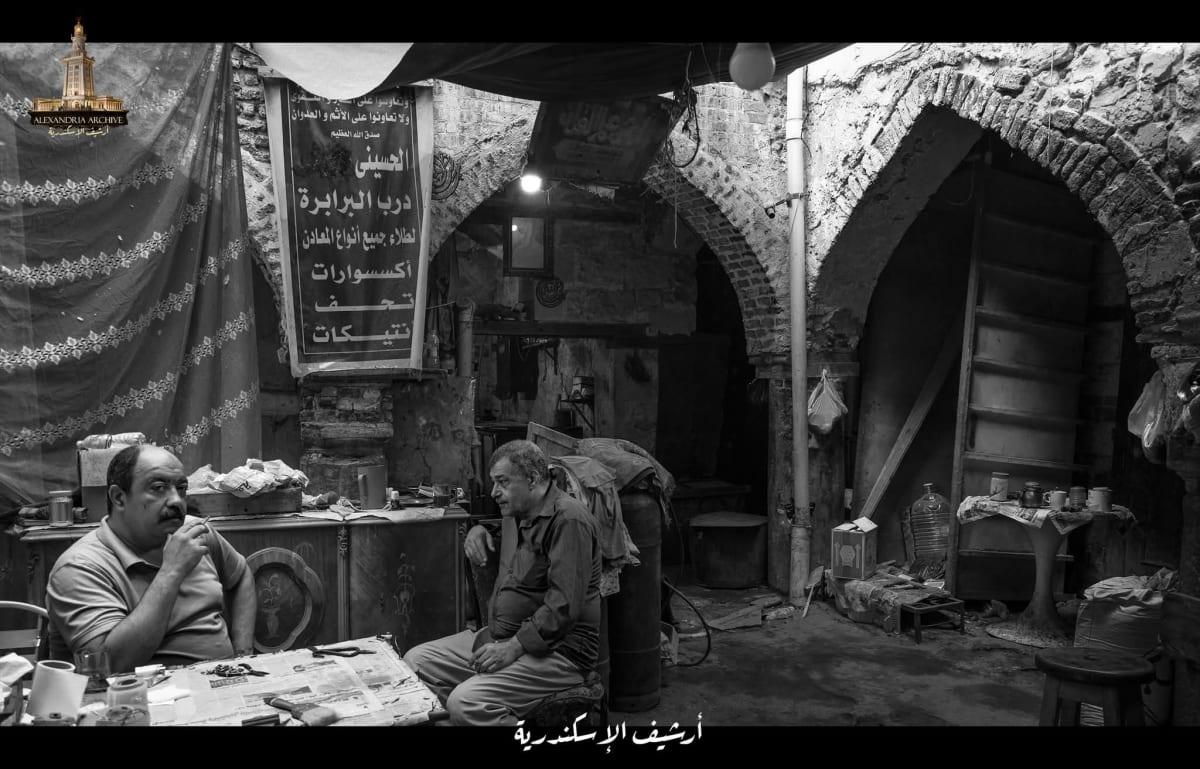
يُذكر ان مسجد الشوربجي هو أحد المساجد العثمانية المتبقية في الإسكندرية وقد سبق لنا تصويره والحديث عنه نترك رابط المقال في الأسفل.
- تم تناول هذا المقال من خلال CEAlex.
#أرشيف_الإسكندرية
#Alexandria_Archive
In 1517, Ottoman forces entered Cairo, and Egypt became a province of the Ottoman Empire. Alexandria, with its access to the sea and maritime trade, greatly benefited from this new geopolitical situation. No longer a border city vulnerable to attacks, Alexandrians abandoned the medieval fortified city and settled on the peninsula outside the walls, near the ports.
By the 17th century, the features of the new city began to take shape, with its mosques, shops, caravanserais, and inns (merchant hotels), as described by the Ottoman traveler Evliya Çelebi and other European travelers. The Ottomans maintained the division of the port into two: the eastern port, known as the "port of the infidels," and the western port, reserved for Muslims and the imperial fleet. Shortly after the conquest, the Ottoman sultan ordered the construction of a new fortress and naval arsenal there.
However, by the 18th century, Alexandria had entered a period of decline, with its ports being neglected and left almost deserted. Because the canal was blocked and unnavigable, ships were forced to sail along the coast to reach the Nile, making Rosetta (Rashid) more important for transporting goods.
Johann Helfrich (1566) wrote about the "funduqs" or merchant hotels, explaining that Christian foreigners were not allowed to live individually in the city. Instead, each nation had its own building called a "funduq," where a consul was appointed to represent it, such as the French consul. These buildings were square in shape, with two floors: the upper floor was for the merchants' rooms, and the lower floor was for storing goods. The funduq had only one door, which was closed at night and opened in the morning under the supervision of a Moroccan guard who would strike an iron piece with a hammer to warn anyone outside before closing the door.
Piri Reis, the famous Ottoman navigator and cartographer, was born in 1465 in Gallipoli. He participated in several naval campaigns, which gave him extensive experience in the Mediterranean and the art of navigation. In 1513, he drew his first world map, placing the Atlantic at its center along with parts of Europe, Africa, and the New World. Piri Reis stated that he gathered sources from both the East and the West for its creation.
In 1518, during his voyage to Egypt, he prepared maps of the coast of Alexandria and its ports. He then authored his famous book, "Kitab-i Bahriyye" (Book of the Sea), published in 1521 and republished in 1526, combining maps and nautical advice. In 1547, he was appointed admiral of the Ottoman Egyptian fleet, but he was executed in Cairo in 1554 after a defeat in the Persian Gulf.
✍️ The renowned explorer Evliya Çelebi was born in Istanbul in 1611. His real name is unknown; he used "Evliya" as a title and "Çelebi" as an adjective for learned men. Born into a wealthy family, he received a distinguished education before entering the service of the court during the reign of Sultan Murad IV. Beginning in 1640, he embarked on extensive travels throughout the Ottoman Empire, recording his observations in a monumental ten-volume encyclopedia known as the Seyahatname (Book of Travels), the tenth volume of which was dedicated to Egypt.
His writings were remarkably vivid for his time, describing everything that fascinated him: cities, landmarks, fortresses, people, customs, clothing, and festivals. In 1672, he arrived in Egypt and visited Alexandria, where he stayed for a month before settling in Cairo until his death in 1683.
Thus, Alexandria played a significant role in the Ottoman era, experiencing a period of commercial and architectural flourishing in the 17th century and a relative decline in the 18th century. Piri Reis, Evliya Çelebi, and other travelers have preserved a rich picture of the city's history and culture during that period.
It is worth noting that the Shurbaji Mosque is one of the remaining Ottoman mosques in Alexandria, which we have previously photographed and discussed. The link to the article is below. This article was featured on CEAlex.