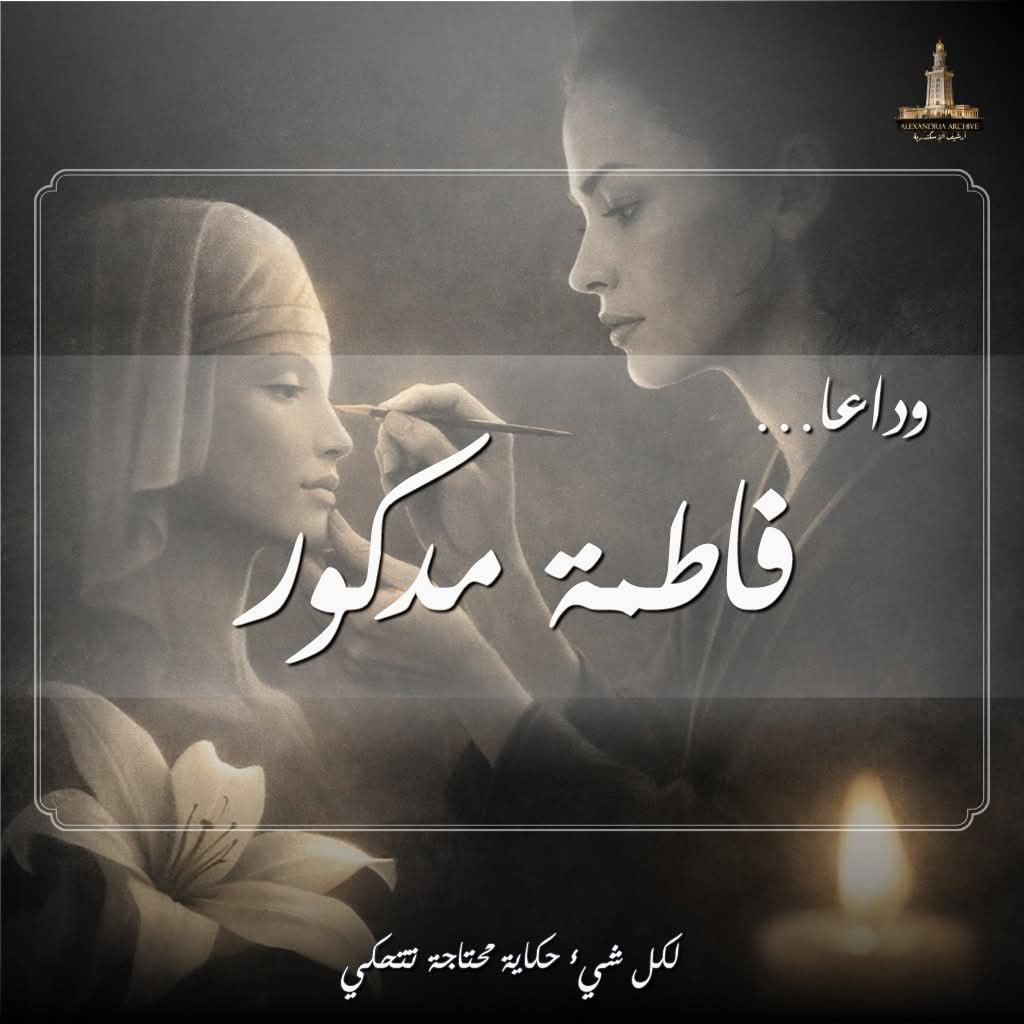
في قلب الإسكندرية، حيث يلتقي عبق التاريخ مع نبض الفن، وُلدت فاطمة مدكور لتكتب فصلًا مختلفًا في مسيرة الإبداع المصري. لم تكن مجرد نحاتة أو باحثة أثرية، بل كانت روحًا تجمع بين ترميم الماضي وصياغة الحاضر، بين دراسة الفنون القديمة وإعادة ابتكارها في أعمال معاصرة تنبض بالمرأة والهوية. قصتها رحلة طويلة من المعارض والكتب والتماثيل ،ورحلة تستحق أن تُروى .
فاطمة مدكور هي نحاتة وفنانة تشكيلية مصرية من الإسكندرية، عُرفت بمزجها بين الفن الحديث والعمل الأثري، حيث عملت في ترميم الآثار بالمتحف اليوناني الروماني ثم تولت رئاسة قسم الرسوم الفنية الأثرية بمنطقة آثار غرب الدلتا.
* السيرة الذاتية الميلاد: ولدت 30 مارس 1946، الإسكندرية. التعليم: بكالوريوس فنون جميلة – قسم النحت، جامعة الإسكندرية (1970). الوفاة: 5 مارس 2026، عن عمر 80 عامًا.
* الأماكن التى عاشت فيها الفنانة هى : الإسكندرية ، سيوة ، السويس ، القصير .
* المسيرة المهنية 1972–1982: عملت في ترميم الآثار بالمتحف اليوناني الروماني بالإسكندرية، حيث اكتسبت خبرة واسعة في دراسة الفنون القديمة وتقنياتها. 1985: تولت رئاسة قسم الرسوم الفنية الأثرية بمنطقة آثار غرب الدلتا التابعة لهيئة الآثار المصرية، وأسهمت في توثيق الرسوم والعناصر الأثرية. العضويات: عضو نقابة الفنانين التشكيليين وأتيليه الإسكندرية للكتاب والفنانين.
* الإسهامات الفنية والثقافية النحت: تركت أعمالًا مميزة في فن النحت المصري الحديث، وكانت من الأصوات النسوية البارزة في هذا المجال. التراث: خبرتها الأثرية انعكست على أعمالها الفنية، حيث جمعت بين الإبداع التشكيلي والدقة العلمية. الكتابة الثقافية: شاركت في الحركة الثقافية السكندرية، وارتبط اسمها بالأنشطة الفنية والأثرية في المدينة.
* رحلة الفنانة التشكيلية فاطمة مدكور الفنية :
كانت الفنانة الراحلة عضواً بنقابة الفنانين التشكيليين وعضواً بأتيليه الإسكندرية للكتاب والفنانين، وشاركت في العديد من المعارض الفنية الخاصة والجماعية. من أبرز معارضها الخاصة معرض مشترك مع زوجها عام 1980 بالإسكندرية، ثم معرضها الأول بقصر ثقافة الحرية في نوفمبر 1984، ومعرضها الثاني بقصر ثقافة دسوق في فبراير 1985.
* مشاركتها بالمعارض :
كما شاركت في عدد من المعارض الجماعية المهمة، منها صالون الأتيليه بالإسكندرية منذ عام 1975، ومعرض الربيع بمتحف الفنون الجميلة بالإسكندرية عام 1985، إضافة إلى مشاركتها في المعرض العام للفنون التشكيلية بالقاهرة عام 1990، ومهرجان إبداعات المرأة المصرية للفنون المعاصرة بمركز الجزيرة للفنون عام 2004، إلى جانب مشاركات فنية لاحقة من بينها معرض حوارات الوجوه والأماكن عام 2019، ومعرض أجندة بمكتبة الإسكندرية عام 2022.
حصلت مدكور على منحة التفرغ للإنتاج الفني خلال الفترة من 1979 إلى 1980، كما نشرت عدداً من كتاباتها الأدبية في مجلتي الإنسان والتطور وأقلام الصحوة في الثمانينيات، وأصدرت عام 1984 كتاباً بعنوان قراءة فنية لآثار مصرية بالاشتراك مع الأثري أحمد عبد الفتاح.
تميزت أعمالها النحتية بالاهتمام بالتعبير عن المرأة، حيث استخدمت حركة الشعر كعنصر تشكيلي غني لبناء المنحوتة في صياغات تجريدية تعبيرية، كما استلهمت العمارة التقليدية لواحة سيوة، معبرة عن المرأة في أدوارها المختلفة.
Visual artist Fatima Madkour
In the heart of Alexandria, where the fragrance of history meets the pulse of art, Fatima Madkour was born, writing a unique chapter in the history of Egyptian creativity. She was not merely a sculptor or an archaeologist; she was a spirit that combined the restoration of the past with the shaping of the present, the study of ancient arts with their reinvention in contemporary works that resonate with womanhood and identity. Her story is a long journey of exhibitions, books, and sculptures—a journey worth telling.
Fatima Madkour was an Egyptian sculptor and visual artist from Alexandria, known for her fusion of modern art and archaeological work. She worked in the restoration of antiquities at the Greco-Roman Museum and later headed the Department of Archaeological Artworks in the West Delta Antiquities Zone.
* Biography: Born: March 30, 1946, Alexandria. Education: Bachelor of Fine Arts – Sculpture Department, Alexandria University (1970). Death: March 5, 2026, at the age of 80.
* Places where the artist lived: Alexandria, Siwa, Suez, Quseir.
* Career 1972–1982: Worked in the restoration of antiquities at the Greco-Roman Museum in Alexandria, where she gained extensive experience in the study of ancient art and its techniques. 1985: Headed the Department of Archaeological Artworks at the West Delta Antiquities Zone of the Egyptian Antiquities Authority, contributing to the documentation of drawings and archaeological elements. Memberships: Member of the Syndicate of Fine Artists and the Alexandria Atelier for Writers and Artists.
* Artistic and Cultural Contributions: Sculpture: She left behind distinctive works in modern Egyptian sculpture and was a prominent female voice in this field. Heritage: Her archaeological expertise was reflected in her artwork, combining artistic creativity with scientific precision. Cultural Writing: She participated in the Alexandrian cultural movement, and her name became associated with artistic and archaeological activities in the city.
* The Artistic Journey of the Fine Artist Fatima Madkour:
The late artist was a member of the Syndicate of Fine Artists and a member of the Alexandria Atelier for Writers and Artists. She participated in numerous solo and group art exhibitions. Among her most prominent solo exhibitions were a joint exhibition with her husband in Alexandria in 1980, her first solo exhibition at the Palace of Culture in November 1984, and her second solo exhibition at the Palace of Culture in Desouk in February 1985.
* Her Participation in Exhibitions:
She also participated in a number of important group exhibitions, including the Atelier Salon in Alexandria since 1975, the Spring Exhibition at the Museum of Fine Arts in Alexandria in 1985, the General Exhibition of Fine Arts in Cairo in 1990, and the Egyptian Women's Creativity Festival for Contemporary Art at the Gezira Art Center in 2004. Later participations included the "Dialogues of Faces and Places" exhibition in 2019 and the "Agenda" exhibition at the Bibliotheca Alexandrina in 2022.
Madkour received a grant for artistic production from 1979 to 1980. She also published several literary pieces in the magazines "Al-Insan wal-Tatawwur" and "Aqlam al-Sahwa" in the 1980s, and in 1984 she published a book entitled "An Artistic Reading of Egyptian Antiquities." In collaboration with the archaeologist Ahmed Abdel Fattah.
Her sculptures are distinguished by their focus on expressing the female form. She utilizes the movement of hair as a rich sculptural element, constructing her sculptures in abstract, expressive forms. She also draws inspiration from the traditional architecture of the Siwa Oasis, portraying women in their various roles.