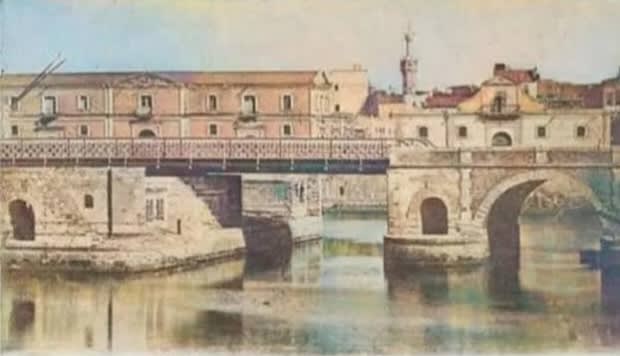
حيّ مينا البصل في الإسكندرية مش مجرد مكان على الخريطة، ده حكاية مدينة بتتنفس شغل وحياة. بين مخازنه القديمة وشوارعه المليانة حركة، اتكتب جزء مهم من تاريخ التجارة في مصر، وفضل لحد النهارده محتفظ بروحه الشعبية اللي بتميّزه عن أي حي تاني. هو ببساطة مكان بيجمع بين الماضي اللي لسه عايش، والحاضر اللي دايمًا بيتجدد.
حي مينا البصل
أولًا: الموقع الجغرافي
حي مينا البصل هو أحد أهم أحياء غرب الإسكندرية، ويقع ضمن حي غرب إداريًا.
يحده:
شمالًا: البحر المتوسط والميناء الغربي
شرقًا: أحياء وسط المدينة
غربًا: حي العجمي
جنوبًا: مناطق صناعية وسكنية مختلفة
المعرفة
ويُعد من أكبر أقسام الحي الغربي، حيث تبلغ مساحته حوالي 15.3 كم²
ثانيًا: أصل التسميه
يرجع اسم “مينا البصل” إلى:
كلمة “مينا” تعني الميناء أو مكان رسو السفن
و“البصل” بسبب شهرة المنطقة قديمًا بتجارة وتخزين البصل والمحاصيل الزراعية
وقد ظهر الاسم بشكل واضح في عصر محمد علي باشا، مع تطوير الميناء الغربي وزيادة حركة التجارة
المصري اليوم
ثالثًا: النشأة والتاريخ
بدأ عمران المنطقة تقريبًا في أوائل القرن 19 (حوالي سنة 1810)
ازدهرت بشكل كبير مع:
إنشاء الميناء الغربي
حفر ترعة المحمودية
مد خط السكك الحديدية بين القاهرة والإسكندرية
كل ذلك جعلها مركزًا رئيسيًا للتجارة الداخلية والخارجية
مجلة روزاليوسف
رابعًا: الأهمية الاقتصادية
يُعتبر مينا البصل من أهم المناطق الاقتصادية في الإسكندرية، وده بسبب:
1. التجارة
كانت مركزًا لتجارة:
البصل
القطن
الحبوب والمحاصيل الزراعية
تضم بورصة مينا البصل التي كانت من أقدم مراكز تداول القطن في مصر (من القرن 19)
2. الأنشطة المرتبطة بالميناء
بيع مستلزمات السفن (حبال – سلاسل – أدوات)
ورش صناعية وخدمات بحرية
تجارة الجلود والأعلاف
مجلة روزاليوسف
خامسًا: التقسيمات والمناطق التابعة
يشمل حي مينا البصل عدة مناطق مهمة، منها:
الورديان
القباري
المفروزة
كفر عشري
أم كبيبة
وكل منطقة لها طابعها الشعبي والتجاري الخاص.
سادسًا: المعالم والمباني
يتميز الحي بوجود:
حوالي 15 مبنى أثري و15 مبنى تراثي
منشآت صناعية قديمة
مبنى ترسانة الإسكندرية (من أهم المنشآت البحرية)
المعرفة
كما يحتوي على أسواق شعبية كبيرة مثل:
سوق الجمعة (من أشهر الأسواق في الإسكندرية) سابعًا: الطابع الاجتماعي
الحي ذو طابع شعبي أصيل
يعتمد سكانه بشكل كبير على:
التجارة
الأعمال الحرفية
الأنشطة المرتبطة بالميناء
ويُعرف أهله بالبساطة والترابط الاجتماعي.
ثامنًا: الوضع الحالي والتحديات
رغم تاريخه الكبير، يواجه الحي بعض التحديات:
تدهور بعض المباني التراثية
ضعف الاهتمام السياحي
ازدحام سكاني وبنية تحتية تحتاج تطوير
لكن هناك مقترحات لتحويله إلى منطقة سياحية تراثية بسبب قيمته التاريخية
تاسعًا: أهمية الحي
حي مينا البصل مهم لأنه:
مركز تجاري تاريخي في مصر
حلقة وصل بين الميناء والنقل الداخلي
يحمل تراث صناعي وتجاري نادر في الإسكندرية
Mina El-Basal neighborhood
The Mina El-Basal neighborhood in Alexandria isn't just a place on a map; it's the story of a city that breathes work and life. Between its old warehouses and bustling streets, a significant part of Egypt's commercial history was written, and it has retained its unique, popular spirit to this day. It's simply a place that blends a living past with a constantly evolving present.
Mina El-Basal Neighborhood
First: Geographical Location
The Mina El-Basal neighborhood is one of the most important neighborhoods in western Alexandria, administratively part of the West District.
It is bordered by:
North: The Mediterranean Sea and the Western Harbor
East: Downtown neighborhoods
West: Al-Agami district
South: Various industrial and residential areas
Knowledge
It is one of the largest sections of the Western District, covering an area of approximately 15.3 km²
Second: Origin of the Name
The name “Mina al-Basal” (Onion Port) is derived from:
The word “Mina” means port or a place where ships dock.
And “Basal” (onion) is due to the area’s historical reputation for trading and storing onions and other agricultural crops.
The name became prominent during the era of Muhammad Ali Pasha, with the development of the Western Harbor and the increase in trade.
Al-Masry Al-Youm
Third: Origins and History
The area began to develop around the early 19th century (around 1810).
It flourished significantly with:
The establishment of the Western Harbor
The digging of the Mahmoudiya Canal
The extension of the railway line between Cairo and Alexandria
All of this made it a major center for domestic and international trade.
Rose al-Youssef Magazine
Fourth: Importance Economically
Mina El-Basal is considered one of the most important economic areas in Alexandria, due to:
1. Trade
It was a center for trading:
Onions
Cotton
Grains and agricultural crops
It includes the Mina El-Basal Exchange, which was one of the oldest cotton trading centers in Egypt (dating back to the 19th century).
2. Port-Related Activities
Selling ship supplies (ropes, chains, tools)
Industrial workshops and maritime services
Trade in leather and animal feed
Rose El-Youssef Magazine
Fifth: Subdivisions and Affiliated Areas
The Mina El-Basal district includes several important areas, including:
El-Wardian
El-Qabbari
El-Mafrouza
Kafr Ashri
Umm Kubeiba
Each area has its own distinct popular and commercial character.
Sixth: Landmarks and Buildings
The district is distinguished by:
Approximately 15 archaeological sites and 15 heritage buildings
Old industrial facilities
The Alexandria Shipyard (one of the most important maritime facilities)
Knowledge
It also contains large traditional markets such as:
The Friday Market (one of the most famous markets in Alexandria)
Seventh: Social Character
The district has a genuine, traditional character
Its residents rely heavily on:
Trade
Crafts
Port-related activities
Its people are known for their simplicity and strong social bonds
Eighth: Current Situation and Challenges
Despite its rich history, the district faces some challenges:
Deterioration of some heritage buildings
Weak tourism
Overpopulation and infrastructure in need of development
However, there are proposals to transform it into a heritage tourist area due to its historical value
Ninth: Importance of the District
Mina El-Basal district is important because:
It is a historical commercial center in Egypt
It is a link between the port and inland transportation
It possesses a rare industrial and commercial heritage in Alexandria