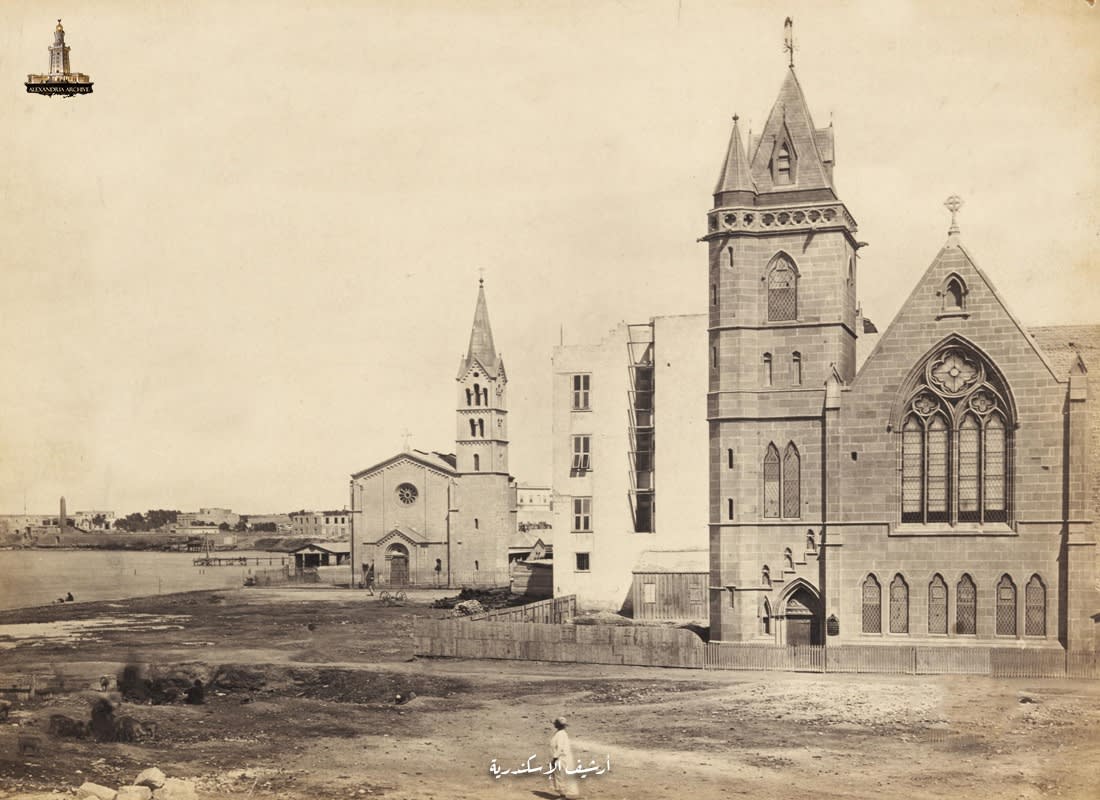
يعود تاريخ الكنيسة السويسرية في الإسكندرية إلى القرن التاسع عشر، وهي ترتبط ارتباطاً وثيقاً بنشأة وتوسع الجالية السويسرية في مصر، والتي عُدّت من أكثر الجاليات الأوروبية تنظيماً ونشاطاً وتأثيراً في المدينة.
التسلسل التاريخي وأبرز المحطات
البداية (منتصف القرن الـ 19):
تجمعت الجالية السويسرية في الإسكندرية بشكل رسمي عام 1858 مع تأسيس "الجمعية السويسرية هيلفيتيا" (Société Suisse Helvetia)، والتي مثّلت النواة الأولى للأنشطة الثقافية والدينية للجالية.
عصر الازدهار (أوائل القرن الـ 20):
مع بلوغ عدد الجالية السويسرية في مصر نحو 1,400 شخص خلال فترة الأربعينيات، اتخذوا من الإسكندرية مركزاً رئيسياً لهم. عمل أبناء الجالية في مجالات حيوية كالتجارة، والبنوك، وصناعة الفنادق، مما استدعى وجود كنيسة تلبي الاحتياجات الروحية والمجتمعية للجالية البروتستانتية الناطقة باللغتين الفرنسية والألمانية.
الموقع الحالي والخدمة المستمرة:
تقع الكنيسة الحالية في شارع محمد أحمد الطيب بمنطقة المنشية، وتُعد امتداداً جغرافياً وروحياً لتلك الخدمة التاريخية العريقة. وتُصنف اليوم رسمياً ككنيسة بروتستانتية فرنسية.
الارتباط المؤسسي والمجتمعي
لم يقتصر التواجد السويسري على الكنيسة فحسب، بل ارتبط تاريخها بمرافق ومؤسسات أخرى تابعة للجالية شكلت مجتمعاً متكاملاً، أبرزها:
المستشفى الألماني السويسري (الأنجلو سويس): تأسس بمبادرة مشتركة من الجاليتين الألمانية والسويسرية في منطقة محرم بك، قبل أن ينتقل لاحقاً إلى الحضرة (وهو المبنى الذي يضم مستشفى الحضرة الجامعي حالياً).
النوادي الاجتماعية: مثل "النادي السويسري" الذي تأسس في منطقة الشاطبي عام 1917 ليكون متنفساً اجتماعياً وثقافياً يجمع أبناء الجالية.
الأهمية المعمارية والثقافية
تُشكل الكنيسة السويسرية جزءاً أصيلاً من النسيج العمراني "الكوزموبوليتاني" لمنطقة المنشية، تلك المنطقة التي احتضنت قنصليات ودور عبادة لمختلف الجنسيات الأوروبية الوافدة منذ عهد محمد علي باشا وخلفائه.
ورغم تضاؤل أعداد الجالية السويسرية تدريجياً إثر سياسات التأميم في الخمسينيات والستينيات، إلا أن مبنى الكنيسة لا يزال صامداً حتى اليوم كشاهد حي على حقبة تاريخية وتعددية ثقافية أثرت في وجدان وتاريخ الإسكندرية.
History of the Swiss Church
History of the Swiss Church in Alexandria
The Swiss Church in Alexandria dates back to the 19th century and is closely linked to the rise and expansion of the Swiss community in Egypt, which was considered one of the most organized, active, and influential European communities in the city.
Historical Timeline and Key Milestones
The Beginning (Mid-19th Century):
The Swiss community in Alexandria was formally established in 1858 with the founding of the "Société Suisse Helvetia" (Swiss Society Helvetia), which represented the initial nucleus of the community's cultural and religious activities.
The Era of Prosperity (Early 20th Century):
With the Swiss community in Egypt reaching approximately 1,400 people during the 1940s, they established their main center in Alexandria. Members of the community worked in vital sectors such as commerce, banking, and the hotel industry, necessitating a church to meet the spiritual and social needs of the French- and German-speaking Protestant community.
Current Location and Ongoing Service:
The current church is located on Mohamed Ahmed El-Tayeb Street in the Mansheya district and represents a geographical and spiritual extension of that long-established service. It is officially classified as a French Protestant church.
Institutional and Community Affiliations
The Swiss presence was not limited to the church alone. Its history is intertwined with other community facilities and institutions that formed a cohesive society, most notably:
The German-Swiss Hospital (Anglo-Swiss): Founded through a joint initiative of the German and Swiss communities in the Moharram Bey district, it later moved to Hadra (the building that now houses Hadra University Hospital).
Social Clubs: Such as the "Swiss Club," established in the Shatby district in 1917 to serve as a social and cultural hub for the community.
Architectural and Cultural Significance
The Swiss Church forms an integral part of the cosmopolitan urban fabric of the Mansheya district, an area that has housed consulates and places of worship for various European nationalities since the era of Muhammad Ali Pasha and his successors.
Although the Swiss community gradually declined following the nationalization policies of the 1950s and 60s, the church building still stands today as a living testament to a historical era and a multiculturalism that influenced the soul and history of Alexandria.