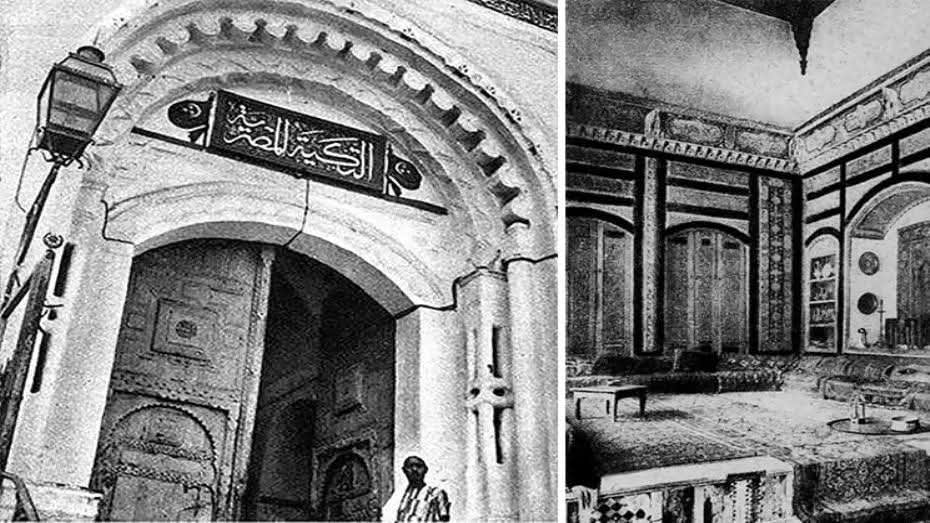
في قلب الحجاز، وتحديدًا في مكة المكرمة والمدينة المنورة، كانت هناك مؤسستان عظيمتان تُعرفان باسم "التكيتين المصريتين" أو لاحقًا "المبرتين المصريتين".
لم تكن مجرد مطابخ خيرية، بل كانت منظومة كاملة لخدمة فقراء الحرمين، الحجاج المنقطعين، وعمال الدولة المصرية المشاركين في خدمة الحجيج.
. البداية تعود لسنة 1238 هـ / 1822 م
بعد دخول جيوش محمد علي باشا والي مصر إلى الأراضي الحجازية، أمر بإنشاء تكية في مكة، وأوكل إلى ابنه القائد إبراهيم باشا مهمة إنشاء تكية أخرى في المدينة المنورة.
فجاءت التكية المصرية كرمز حي لحضور مصر القوي في خدمة الحرمين، ومظهرًا من مظاهر رعاية الدولة المصرية لضيوف الرحمن.
كانت التكية تضم أطباء وصيادلة لمعالجة السكان المحليين والوافدين، واهتمت بالتعليم من خلال المدرسة المرافقة لها.
وفي موسم الحج، كانت تؤوي الأطباء وكُتّاب القسم العسكري وأمير الحج المصري، بل وكانت تُصرف الرواتب من داخلها.
. من كانوا المستفيدين؟
في الأيام العادية، كانت التكية تُطعم حوالي 400 شخص يوميًا، وفي مواسم مثل رمضان والحج، كانت تخدم أكثر من 4000 شخص من مختلف الجنسيات.
. وقف ضخم وخدمة متواصلة
في عهد محمد سعيد باشا، أُوقفت 4751 فدانًا من الأراضي الزراعية خصيصًا للصرف على التكية.
وجاء بعده الخديوي إسماعيل ليزيد من الأرزاق المخصصة لها من المحاصيل والنقود، وظل حكام أسرة محمد علي يتنافسون على الاهتمام بها حتى عهد الملك فاروق الأول.
. نهاية مؤسفة...
في عام 1983، تم هدم التكية من قبل السلطات السعودية، رغم أن الأرض كانت وقفًا مصريًا رسميًا، تشرف عليه وزارة الأوقاف المصرية حتى وقت قريب.
ورغم غياب المبنى، يبقى التاريخ شاهدًا على مدى عمق علاقة مصر بالحرمين، وعلى مدى سعي الدولة المصرية منذ قرون لخدمة الإسلام والمسلمين في كل زمان ومكان.
The two Egyptian tekkes
📜 From Egypt to the Two Holy Mosques... Pages from Forgotten History
In the heart of Hijaz, specifically in Mecca and Medina, there once stood two great institutions known as "the two Egyptian Tekkiyehs" or later "the two Egyptian Charitable Lodges (Mabarrah)."
They were not merely charitable kitchens, but a complete system dedicated to serving the poor of the holy cities, stranded pilgrims, and Egyptian state workers involved in Hajj services.
The beginning dates back to 1238 AH / 1822 AD
After the Egyptian armies under Muhammad Ali Pasha, ruler of Egypt, entered the Hijazi lands, he ordered the establishment of a Tekkiyeh in Mecca and assigned his son, Commander Ibrahim Pasha, to establish another in Medina.
The Egyptian Tekkiyeh stood as a living symbol of Egypt’s strong presence in serving the Two Holy Mosques, and as an expression of the Egyptian state’s care for the guests of Allah.
What did the Tekkiyeh include?
A massive kitchen with 8 large cooking stations.
A wheat mill powered by 4 mules.
A double-door bakery for bread production.
Living quarters for staff and workers.
A library and a school to educate the children of Hijaz.
Bathhouses, water tanks, and a central "fountain" (an artificial pool) in the courtyard of the Tekkiyeh.
Healthcare and education
The Tekkiyeh housed doctors and pharmacists to treat both local residents and visitors, and it emphasized education through its accompanying school.
During the Hajj season, it accommodated doctors, military clerks, and the Egyptian Amir of Hajj, and even salaries were disbursed from within the Tekkiyeh.
Who benefited from it?
On regular days, the Tekkiyeh used to feed around 400 people daily, and during seasons like Ramadan and Hajj, it served over 4,000 individuals of various nationalities.
A vast endowment and ongoing service
During the reign of Mohamed Sa’id Pasha, 4,751 feddans of agricultural land were endowed specifically to fund the Tekkiyeh.
Later, Khedive Ismail increased its allocations of crops and money, and the rulers of the Muhammad Ali dynasty continued to compete in supporting it, up to the reign of King Farouk I.
A tragic end
In 1983, the Tekkiyeh was demolished by the Saudi authorities, even though the land was officially an Egyptian endowment overseen by the Egyptian Ministry of Endowments until recently.
Although the building no longer stands, history remains a witness to the depth of Egypt’s connection to the Two Holy Mosques, and to its centuries-old efforts to serve Islam and Muslims across all times and places.