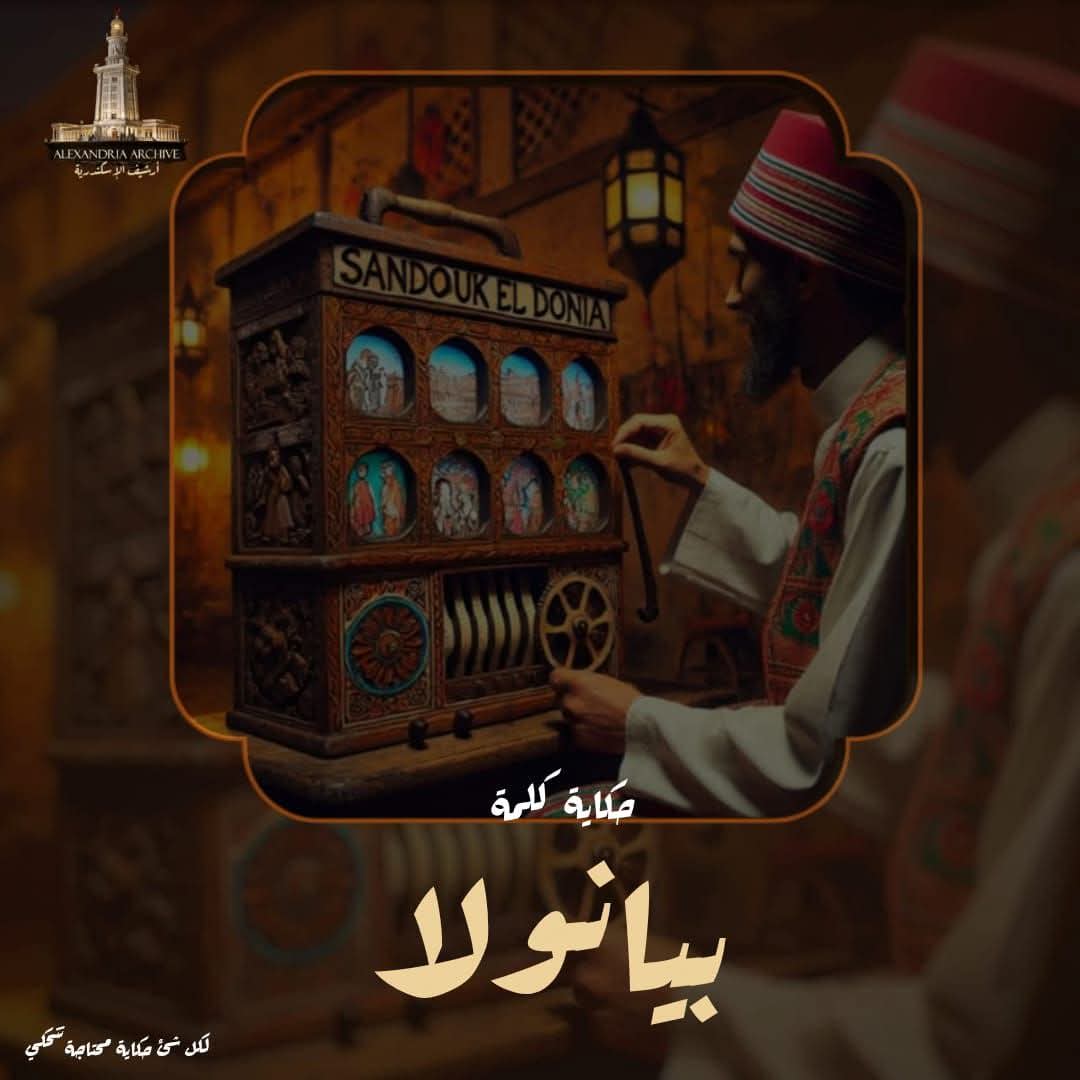
في أزقة الإسكندرية القديمة، وبين حواريها الضيقة، كان يتردد صدى أنغام ساحرة، تنبعث من صندوق خشبي صغير، مزين برسومات ملونة، يجوب الشوارع حاملاً معه البهجة والسرور إنه "صندوق الحياة"، أو كما عرفه المصريون بـ"البيانولا"، الآلة الموسيقية التي أسرت قلوب الصغار والكبار على حد سواء.
عبارة عن صندوق خشبي صغير، مرسوم به رسومات لشخصيات كرتونية أو شخصيات مستوحاه من الواقع و زخارف خشبية، و للجانب الأيسر لذلك الصندوق رافعة تسمى (المانفيلا) لتشغيل الموسيقى المسجلة على شريط.
اشتهر اليونانيون و الإيطاليون المهاجرون المقيمون في مصر بالعمل كعازفي بيانولا والتى اطلقوا عليها اسم (كنتوسكوب)، و قد اعتمدت هذه الوظيفة على شخصان؛ الأول يحمل البيانولا و الآخر يمسك آلة الرق و يتراقص مع النغمات الصادرة من المانفيلا.
بمجرد سماع "إتفرج يا سلام"، أعتاد بعض الأطفال أن يلتفوا حول عازفي البيانولا و الرقص معهما، بينما البعض الآخر كان يفضل الجلوس على دكة خشبية و الإستماع لحكايات الأبطال.
بالرغم من كون البيانولا من أكثر الفنون الشعبية إنتشاراً، إلا انها قد لاقت إندثاراً ملحوظاً ؛ بسبب عدم تمكين أبناء الجاليات من عمل شريط ألحان الموسيقى الورقي الذي كان عصباً للبيانولا، و عند رحيلهم توقفت صناعة هذه الشرائط.
لم تكن البيانولا مجرد آلة موسيقية، بل كانت نافذة على عالم من القصص والحكايات، حيث كان الأطفال يتجمعون حولها للإستماع إلى مغامرات الأبطال، بينما يستمتع الكبار بألحانها العذبة.
لقد كانت البيانولا جزءًا لا يتجزأ من التراث الشعبي المصري، وشاهدًا على حقبة زمنية مليئة بالجمال والبساطة.
#أرشيف_الإسكندرية
Pianola
In the old alleys of Alexandria, among its narrow streets, the echoes of enchanting melodies could be heard, emanating from a small wooden box adorned with colorful paintings. Roaming the streets, it carried joy and delight with it. This was the "Box of Life," or as Egyptians knew it, the "Pianola"—the musical instrument that captivated the hearts of both young and old alike.
The pianola was a small wooden box decorated with drawings of cartoon characters or figures inspired by reality, along with wooden ornaments. On the left side of the box, there was a crank called the "manivela," which was used to play music recorded on a tape.
Greek and Italian immigrants residing in Egypt became famous for playing the pianola, which they called the "Kantoscope." This job typically required two people: one carrying the pianola and the other playing the tambourine while dancing to the rhythms produced by the manivela.
As soon as the phrase "Etafarrag ya Salam!" (meaning "Come and watch in awe!") was heard, some children would gather around the pianola players and dance with them, while others preferred to sit on a wooden bench and listen to stories about heroes.
Despite being one of the most widespread forms of folk art, the pianola gradually faded into obscurity. This was mainly due to the inability of expatriate communities to produce the paper music rolls that were essential to the instrument. When they left, the production of these rolls ceased, leading to the pianola's decline.
The pianola was not just a musical instrument; it was a window into a world of stories and tales. Children would gather around it to listen to thrilling adventures, while adults enjoyed its sweet melodies. It was an integral part of Egypt’s cultural heritage and a witness to an era filled with beauty and simplicity.