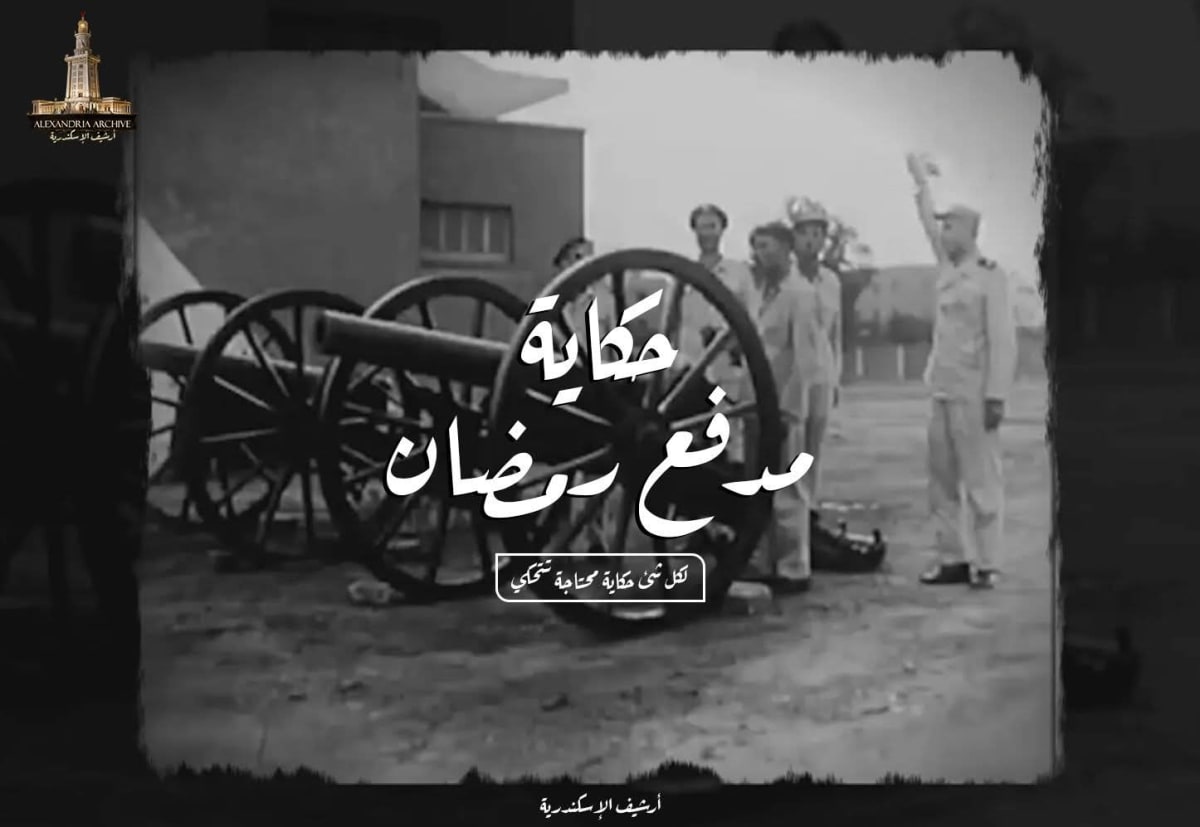
مع غروب شمس كل يوم من شهر رمضان، يترقب المسلمون حول العالم صوت مدفع الإفطار، ذلك التقليد العريق الذي يجمع بين الأصالة والروحانية، معلنًا نهاية يوم من الصيام وبداية لحظات الإفطار المباركة.
أصول مدفع الإفطار:
تتعدد الروايات حول نشأة هذا التقليد، إلا أن معظمها يشير إلى مصر كمهدٍ له:
الرواية الأولى: في عام 859 هـ/1455 م، تلقى السلطان المملوكي خوشقدم مدفعًا كهدية من مصنع ألماني. وعند تجربته وقت الغروب في رمضان، ظن الناس أن الصوت إشارة للإفطار، فشكروا السلطان على هذه البدعة الحسنة، ومن ثم أُقر إطلاق المدفع يوميًا عند المغرب.
الرواية الثانية: في عهد الخديوي إسماعيل عام 1871 م، كان الجنود يقومون بصيانة أحد المدافع، فانطلقت قذيفة بالخطأ وقت الغروب في رمضان. اعتقد الناس أن هذا تقليد جديد للإعلان عن موعد الإفطار، وعندما علمت الحاجة فاطمة، ابنة الخديوي، بالأمر، أمرت باستمرار إطلاق المدفع يوميًا عند الإفطار والإمساك وفي الأعياد الرسمية.
انتشار التقليد في العالم الإسلامي:
بعد اعتماده في مصر، انتقل تقليد مدفع الإفطار إلى عدة دول إسلامية:
بلاد الشام: في القدس ودمشق، أصبح المدفع جزءًا من الطقوس الرمضانية.
العراق: وصل التقليد إلى بغداد في أواخر القرن التاسع عشر.
الخليج العربي واليمن والسودان: انتشر المدفع في هذه المناطق قبل اكتشاف النفط، ليصبح جزءًا من العادات الرمضانية.
غرب إفريقيا وشرق آسيا: وصل المدفع إلى دول مثل تشاد والنيجر ومالي، وحتى إندونيسيا التي بدأت استخدامه عام 1944 م.
أشكال وأنواع المدافع ومواقعها التاريخية:
تختلف أشكال وأنواع مدافع الإفطار باختلاف المناطق والتطورات التقنية:
المدافع العثمانية التقليدية: كانت تُصنع من الحديد أو البرونز وتُستخدم في العديد من الدول الإسلامية.
مدافع "كروب": نسبة إلى مصانع "كروب" الألمانية، وصلت إلى مصر في عهد الخديوي إسماعيل عام 1871 م، وتوجد نماذج منها في الأقصر، حيث لا يزال أحدها يُستخدم حتى اليوم.
مواقع الإطلاق التاريخية: في القاهرة، يُطلق المدفع من قلعة صلاح الدين الأيوبي، وفي الأقصر من مواقع تاريخية تعود لعهد الخديوي إسماعيل.
مدفع الإفطار في العصر الحديث:
مع تطور وسائل الإعلام والتكنولوجيا، تراجعت الحاجة العملية لاستخدام مدفع الإفطار كوسيلة لإعلام الصائمين بموعد الإفطار. ومع ذلك، لا يزال هذا التقليد مستمرًا في العديد من الدول، حيث يُعتبر جزءًا من التراث الثقافي والهوية الرمضانية، ويُضفي أجواءً خاصة تعيد للأذهان ذكريات الماضي وروحانية الشهر الفضيل.
The story of the Ramadan cannon
Iftar Cannon: Echoes of History and the Spirituality of Ramadan 📢
With the setting sun each day during Ramadan, Muslims around the world eagerly await the sound of the Iftar cannon, a deeply rooted tradition that blends heritage with spirituality, marking the end of the fasting day and the beginning of the blessed moments of Iftar.
Origins of the Iftar Cannon
There are multiple accounts regarding the origins of this tradition, but most trace it back to Egypt:
First Account: In the year 859 AH / 1455 AD, the Mamluk Sultan Khosh Qadam received a cannon as a gift from a German manufacturer. When it was tested at sunset during Ramadan, people assumed the sound signaled the time to break their fast. They thanked the Sultan for this "good innovation," and thus, the practice of firing the cannon daily at sunset was established.
Second Account: During the reign of Khedive Ismail in 1871 AD, soldiers were maintaining one of the cannons when a round was accidentally fired at sunset in Ramadan. People believed it was a new way to announce Iftar. When Princess Fatima, the Khedive’s daughter, learned of the event, she ordered that the cannon be fired daily at Iftar and Suhoor, as well as on official holidays.
Spread of the Tradition in the Islamic World
After becoming an official practice in Egypt, the Iftar cannon tradition spread to various Islamic countries:
The Levant (Greater Syria): The cannon became part of Ramadan traditions in cities like Jerusalem and Damascus.
Iraq: The tradition reached Baghdad in the late 19th century.
The Arabian Gulf, Yemen, and Sudan: The practice spread to these regions before the discovery of oil, becoming a key Ramadan custom.
West Africa and Southeast Asia: The cannon made its way to Chad, Niger, Mali, and even Indonesia, where it was first used in 1944 AD.
Types of Cannons and Historic Firing Locations
The design and type of Iftar cannons vary by region and technological advancements:
Traditional Ottoman Cannons: Made of iron or bronze, these were used in many Islamic nations.
"Krupp" Cannons: Named after Krupp factories in Germany, these arrived in Egypt during Khedive Ismail’s rule in 1871 AD. Some examples still exist today, including one in Luxor, which remains in use.
Historic Firing Locations: In Cairo, the cannon is traditionally fired from Saladin Citadel, while in Luxor, it is launched from historical sites dating back to Khedive Ismail's era.
The Iftar Cannon in the Modern Era
With the advancement of media and technology, the practical need for the Iftar cannon as a means of announcing sunset has diminished. However, the tradition continues in many countries, remaining an essential part of cultural heritage and Ramadan identity. The practice adds a special atmosphere that evokes nostalgia and enhances the spirituality of the holy month.