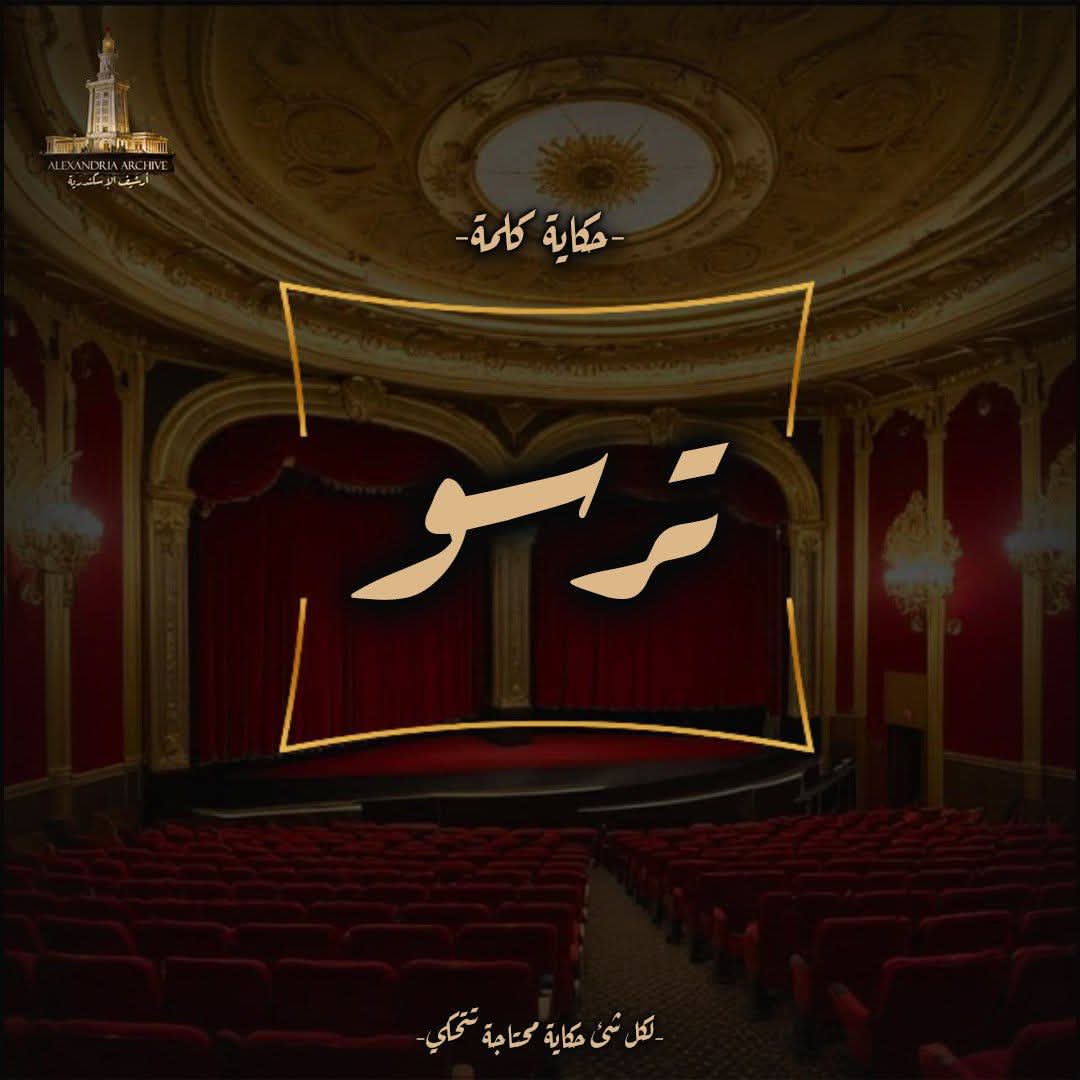
مع بداية إنشاء دور السينما كانت تُقسم إلى ثلاثة أقسام "الشرفة ، الصالة ، الترسو".
كان الترسو هو الأرخص سعراً ، ويقع في الجزء السفلي من صالة العرض.
وكان الترسو مخصصًا للعمال والحرفيين ومحدودي الدخل من عامة الشعب فكان شباك حجز الترسو هو الأكثر ازدحامًا.
واختلفت المصادر حول أصل الكلمة ولكن أقربها في سياق دور السينما أن كلمة «ترسو» أصلها إيطالي ، حيث كلمة "terzo" تعني الثالث ، وكان الترسو هو القسم الثالث في دور العرض ، فأُخذت الكلمة كما هي مع بعض التحريف.
وكان يعتبر الترسو ملتقى الطبقات الشعبية ، ومصدرًا هامًا للترفيه عنهم وكان جمهور الترسو يتميزون بتفاعلهم الشديد مع الأفلام ، وتعليقاتهم الصريحة ، مما جعل تجربة مشاهدة الأفلام في الترسو تجربة فريدة ومميزة.
ولم تخلوا الأعمال الأدبية والفنية من ظهور الترسو ، حيث تم استخدامه كرمز للطبقة الشعبية ومعبرًا عن حياتهم وأفكارهم ، كما ظهر في العديد من الأفلام المصرية مثل فيلم "المنسي" لعادل إمام ، والذي يظهر فيه مشهد شهير للترسو ، وفيلم "ملك الترسو" لفريد شوقي.
وكما هي العادة بدأت تتلاشى دور السينما مع التطور ومرور الوقت ، وحل محلها بدائل أكثر حداثة ، وبقى الترسو ذكرى جميلة في اذهان الكثيرين.
#أرشيف_الإسكندرية
The story of the word "Tarwas"
At the beginning of cinema history, theaters were divided into three sections: the balcony, the main hall, and the “terso.”
The terso was the cheapest section, located at the lower part of the theater hall. It was designated for workers, craftsmen, and low-income individuals from the general public. As a result, the terso ticket counter was often the most crowded.
Sources differ regarding the origin of the word, but the most plausible explanation within the context of cinemas is that terso comes from the Italian word “terzo,” meaning “third.” Since the terso was the third section in theaters, the term was adopted with slight modifications.
The terso was considered a gathering place for the working class and a significant source of entertainment for them. Audiences in this section were known for their highly interactive reactions and outspoken comments, making movie-watching in the terso a unique and lively experience.
This section was also featured in literature and cinema as a symbol of the working class, reflecting their lives and thoughts. Many Egyptian films depicted the terso, such as El-Mansi starring Adel Imam, which includes a famous scene of the terso, and Malik El-Terso (The King of Terso) starring Farid Shawqi.
As time passed and technology advanced, cinemas started to fade, replaced by more modern alternatives. However, the terso remains a cherished memory in the minds of many.