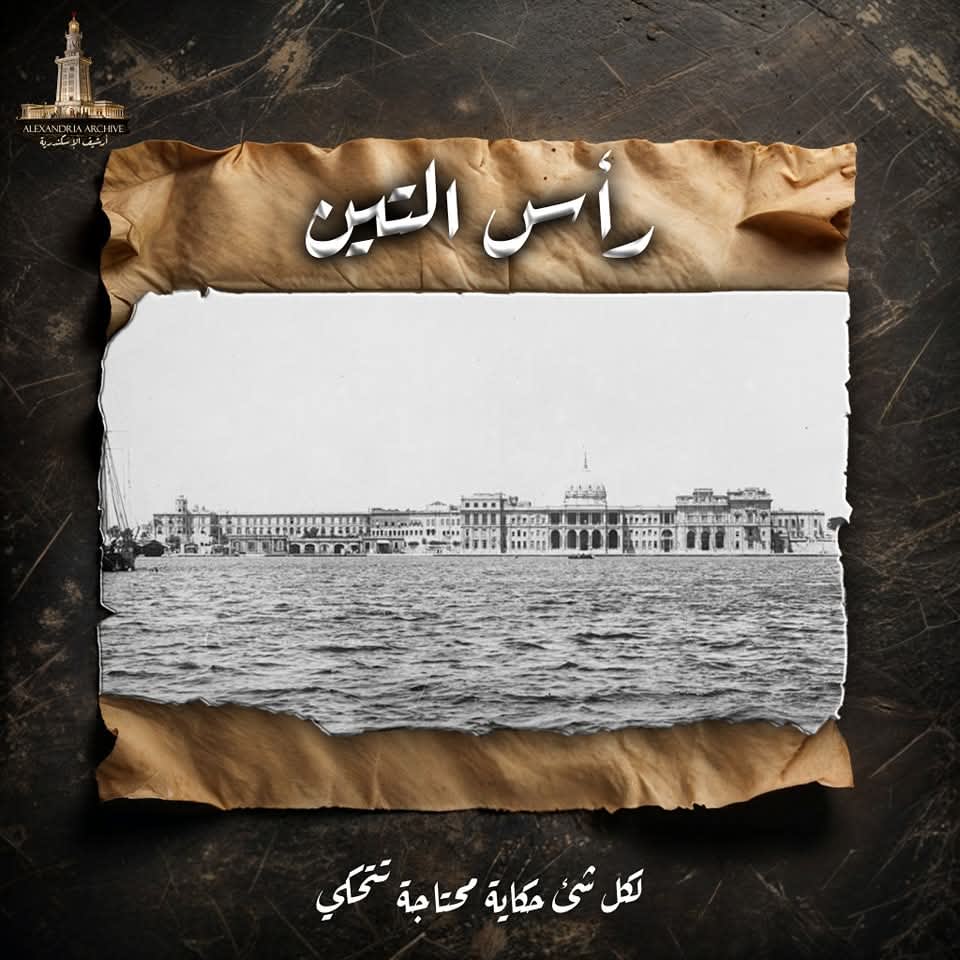
رأس التين.. شاهد حي على تحولات الإسكندرية عبر الزمن
يُعتبر حي رأس التين من أبرز الأحياء التاريخية في الإسكندرية، إذ يجسّد بجذوره الضاربة في القِدَم لقاءً فريدًا بين تراث الماضي وحيوية الحاضر. يرجع اسمه إلى حقبة قديمة حيث أُطلق عليه روضة التين بسبب انتشار بساتين التين على أرضه الساحلية. تحوّل الموقع عبر القرون إلى قلب نابض بالتاريخ، لعب أدوارًا محورية في الأحداث السياسية والعسكرية لمصر.
محمد علي باشا وإرث التطوير (1805-1848)
أدرك محمد علي باشا، باني مصر الحديثة، قيمة المنطقة الاستراتيجية، فحوّل الميناء الغربي إلى ميناء رئيسي على المتوسط، وأنشأ عام 1834 قصر رأس التين ليكون مقرًا صيفيًا للحُكّام ومنصة لإدارة الدولة، مما عزّز مكانته كرمز للسلطة.
القصر.. حارس أسرار التحوّلات السياسية
ظل قصر رأس التين لسنوات طويلة شاهدًا على حقبة الأسرة العلوية، حيث اتُّخذت من بين جدرانه قرارات مصيرية غيرت مسار البلاد. في 26 يوليو 1952، غادر الملك فاروق الأول القصر عبر اليخت الملكي المحروسة إثر ثورة 23 يوليو، ليُطوى فصل الملكية ويُعلن قيام الجمهورية في 18 يونيو 1953.
رأس التين الحديث.. حيث التاريخ يُحيط بالحاضر
رغم تحديات التحديث، يحافظ الحي على هويته كجوهرة تراثية، تجمع بين مبانيها العتيقة وحيويتها المعاصرة. تُروي أمواج شواطئه حكايات القرون، ليبقى رأس التين أيقونة للإسكندرية وشاهدًا على عراقتها.
#أرشيف_الإسكندرية
Fig head
Ras El Tin: A Living Witness to Alexandria's Transformations Through Time
The Ras El Tin district is considered one of the most prominent historical neighborhoods in Alexandria. With roots stretching deep into antiquity, it embodies a unique meeting between the heritage of the past and the vibrancy of the present. Its name dates back to an ancient era when it was called "The Fig Garden" due to the abundance of fig orchards on its coastal land. Over the centuries, the site transformed into a beating heart of history, playing pivotal roles in Egypt's political and military events.
Muhammad Ali Pasha and the Legacy of Development (1805-1848)
Muhammad Ali Pasha, the founder of modern Egypt, recognized the strategic value of the area.
He transformed the western harbor into a major port on the Mediterranean and, in 1834, built the Ras El Tin Palace to serve as a summer residence for the rulers and a platform for state administration, thus consolidating its position as a symbol of power.
The Palace: Guardian of the Secrets of Political Transformations
The Ras El Tin Palace remained for many years a witness to the era of the Alawi dynasty, where fateful decisions that changed the course of the country were made within its walls. On July 26, 1952, King Farouk I departed the palace aboard the royal yacht El Mahrousa following the July 23 Revolution, marking the end of the monarchy and the declaration of the republic on June 18, 1953.
Modern Ras El Tin: Where History Surrounds the Present.
Despite the challenges of modernization, the neighborhood maintains its identity as a heritage gem, combining its ancient buildings with its contemporary vitality.
The waves of its beaches tell tales of centuries past, leaving Ras El Tin as an icon of Alexandria and a testament to its ancient heritage.