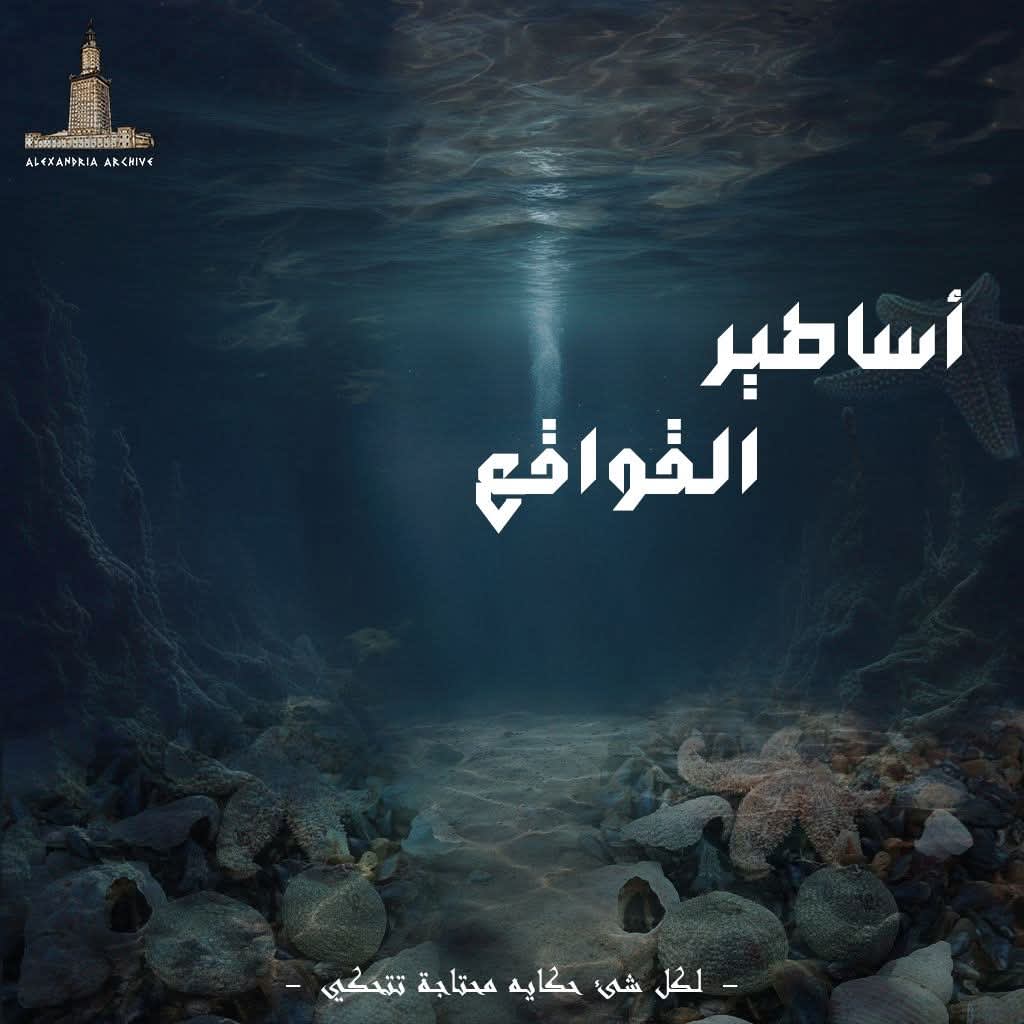
على شواطئ بحري بالإسكندرية، نُسجت الأساطير حول القواقع والأصداف، فلم تكن مجرد زينة بل رموزًا للطاقة والحماية. بين البحارة والسكان، بقيت هذه الأصداف شاهدة على معتقدات متوارثة، تعكس صدى البحر وروح المدينة.
تميزت القواقع البحرية والأصداف بأشكالها المتنوعة وألوانها الجذابة، فكانت مصدر إبهار للسياح والأهالي ايضاً. لم يقتصر الأمر على جمعها كهواية، بل تحول إلى تجارة مزدهرة، حيث استغل البعض شغف الزوار بها وما ارتبط بها من أساطير ومعتقدات شعبية، ليصبح اقتناؤها ذكرى من البحر وحكاياته، أو حتى تميمة لجلب الحظ والحماية.
أشهر مثال لاستخدام القواقع والأصداف بعيدًا عن الزينة والإكسسوارات هو توظيفها كأبواق للبحارة قديمًا، حيث كانوا ينفخون فيها لإصدار أصوات قوية تُستخدم كإشارات خلال رحلاتهم. كما ارتبطت القواقع المغلقة بأسطورة سماع أصوات البحر بداخلها، مما جعلها رمزًا للبحر وأسراره. بالإضافة إلى ذلك، استُخدمت بعض الأصداف التي تتحمل الحرارة كأوانٍ لطهي المأكولات، خاصة في البيئات الساحلية التي اعتمد سكانها على موارد البحر في حياتهم اليومية.
لم تقتصر المعتقدات الشعبية على القواقع والأصداف فقط، بل امتدت لتشمل مخلوقات بحرية أخرى، مثل نجمة البحر التي كانت تُغلّف بشباك الصيد القديمة وتُعلَّق على الأبواب لمنع الحسد وجلب البركة. كما اعتُبر حصان البحر رمزًا لجلب الرزق، إذ كان البحارة يحرصون على الاحتفاظ به كتميمة للحظ الجيد. حتى شباك الصيد القديمة، بعد نجاحها في توفير الصيد الوفير، تحولت إلى رمز لجذب الخير والبركة، حيث اعتُقد أنها تجلب الرزق ليس فقط في التجارة، بل أيضًا في الزواج والإنجاب، مما جعلها جزءًا من التراث الشعبي المتعلق بالبحر وخفاياه.
تظل المعتقدات الشعبية المرتبطة بالبحر جزءًا من تراث الإسكندرية، حيث تعكس العلاقة العميقة بين الناس والبحر. من الأصداف إلى شباك الصيد، تبقى هذه الرموز حية في ذاكرة المدينة، شاهدة على كيف كان البحر مصدرًا للحماية والبركة والرزق.
#أرشيف_الإسكندرية
Myths of the snails
On the shores of Bahari in Alexandria, legends have been woven around seashells, making them not just ornaments but symbols of energy and protection. Among the sailors and locals, these shells have remained a testament to inherited beliefs, reflecting the echoes of the sea and the spirit of the city.
Seashells and marine shells stood out with their diverse shapes and attractive colors, captivating both tourists and locals alike. The practice of collecting them turned into a flourishing trade, with some taking advantage of the fascination visitors had for these shells, along with the myths and popular beliefs attached to them. Owning them became a reminder of the sea and its stories, or even a talisman for luck and protection.
The most famous example of using seashells and marine shells beyond decoration and accessories was their use as horns by ancient sailors, who blew into them to produce strong sounds used as signals during their journeys. Closed shells were also linked to the myth of hearing the sounds of the sea inside them, making them a symbol of the sea and its secrets. In addition, some shells that could withstand heat were used as cooking vessels, especially in coastal areas where the inhabitants relied on the sea’s resources in their daily lives.
The popular beliefs did not only extend to shells and seashells, but also to other marine creatures, such as the starfish, which was wrapped in old fishing nets and hung on doors to ward off the evil eye and bring blessings. The sea horse was also considered a symbol of prosperity, with sailors carefully keeping it as a lucky charm. Even old fishing nets, after having been successful in catching plenty of fish, became symbols of attracting goodness and prosperity. It was believed that they brought fortune not only in trade but also in marriage and childbirth, making them part of the folklore related to the sea and its mysteries.
The popular beliefs connected to the sea remain an integral part of Alexandria’s heritage, reflecting the deep connection between the people and the sea. From seashells to fishing nets, these symbols remain alive in the city’s memory, bearing witness to how the sea has been a source of protection, blessings, and prosperity.