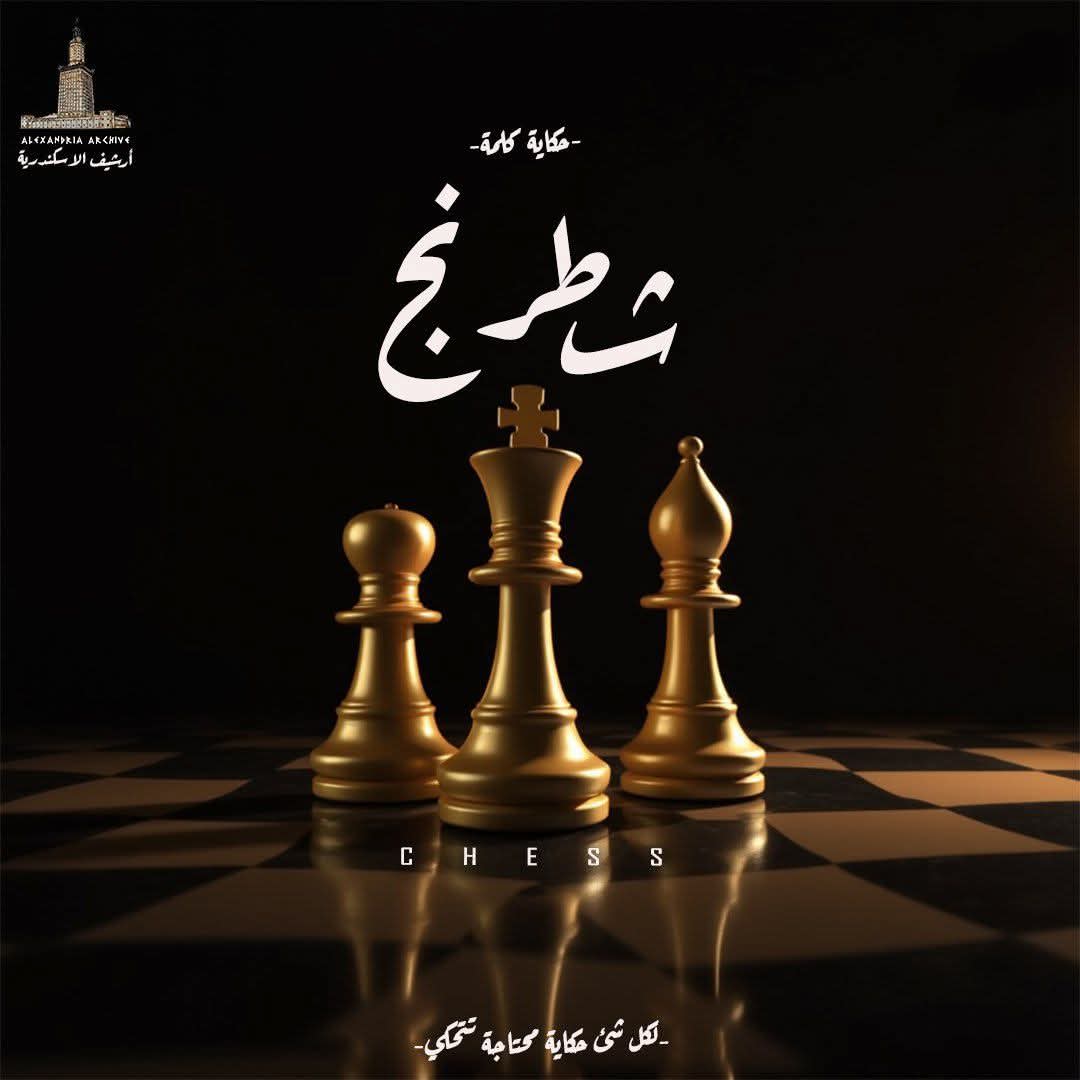
ولم تخلو الألعاب من التأثر باللغات الأخرى فـ «شطرنج» هي كلمة من أصل فارسي قديم ومشتقة من (chatrang) وتنقسم إلى "chatur" وتعني "أربع" ، وإلى "ang" وتعني "جزء" أو "قسم" .
وتعود إلى لعبه الشطرنج الفارسية القديمة التي كانت تتألف من أربعة أجزاء " الجنود والفرسان والفيل والعربات" .
وانتشرت اللعبة من فارس إلى الهند ثم إلى العرب حيث تم تعريب الكلمة ثم انتشرت إلى أوروبا من خلال التجارة والغزوات.
وتم تعديل القواعد لتصبح مثل القواعد الحديثة واستخدم فيها القطع الحجرية أو الخشبية .
وفي القرن التاسع عشر تم تنظيم البطولات الدولية الأولى وفي القرن العشرين تم إنشاء الإتحاد الدولي للشطرنج (FIDE) ، وتم تطوير البرامج وتقديم اللعبة عبر الإنترنت.
ولم يكن الشطرنج مجرد لعبه بل كانت رمزاً للقوة والذكاء في الحضارة الفارسية و كانت من الألعاب المفضلة للعلماء والفلاسفة لمساعدته في تطوير القدرات المنطقية والتحليلية ، واستخدم في المدارس لتعزيز التفكير النقدي والذاكرة.
#أرشيف_الإسكندرية
Chess
Games have been profoundly influenced by other languages. For instance, 'chess' originates from the ancient Persian word 'chatrang,' which breaks down into 'chatur' meaning 'four' and 'ang' meaning 'part' or 'section.'
This term traces back to the old Persian game of chess, composed of four elements: soldiers, horsemen, elephants, and chariots.
The game spread from Persia to India and then to the Arabs, where the word was Arabized before disseminating to Europe through trade and conquests.
Rules were modified to align with modern standards, and pieces were crafted from stone or wood. In the 19th century, the first international tournaments were organized, followed by the establishment of the International Chess Federation (FIDE) in the 20th century. The game has also evolved with the development of computer programs and online platforms.
Chess was more than just a game; it symbolized power and intelligence in Persian civilization. It was a favorite pastime of scholars and philosophers, as it aided in developing logical and analytical abilities.
Chess was even used in schools to enhance critical thinking and memory.