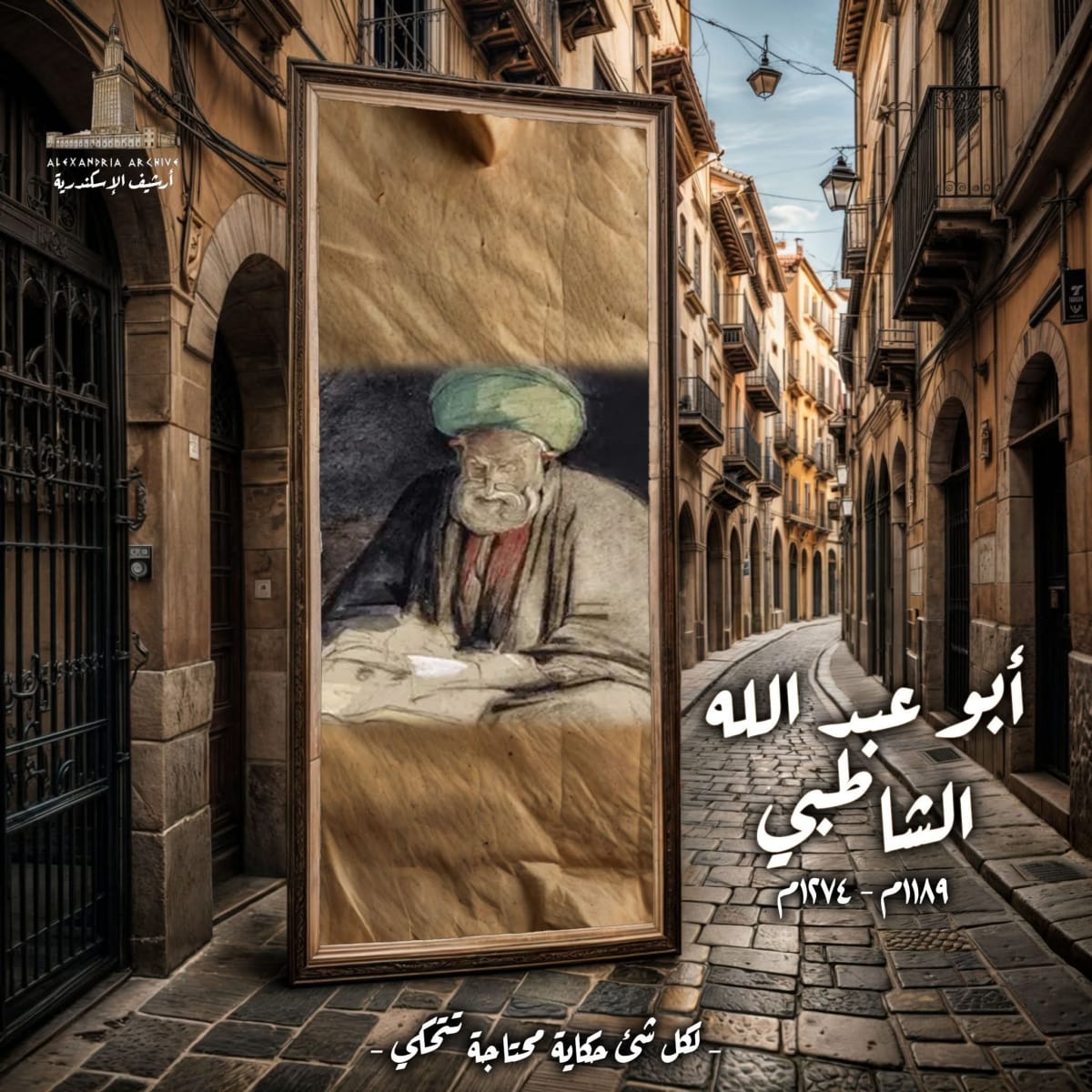
في تاريخ الفكر الإسلامي، برزت العديد من الشخصيات التي كان لها أثر عميق في تشكيل مسارات العلوم الدينية والفكرية، كما ساهموا في نشر المعرفة في مختلف مجالات العلوم. ومن بين هؤلاء العلماء يبرز اسم "أبو عبد الله الشاطبي".
اسمه الكامل هو أبو عبد الله محمد بن سليمان المعافري الشاطبي، ولكنه لُقب بالشاطبي نسبة إلى مدينة شاطبة التي وُلد فيها عام 585هـ والتي تقع شرق الأندلس، لكنه لم يكمل حياته بها، حيث انتقل إلى دمشق لفترة وهناك زاد تعامله مع العلماء، حيث اختلط بهم وانتفع بمعرفتهم في علوم الفقه وغيره، ليزداد تدينه وعمق إدراكه للدين الإسلامي.
انتقل الشاطبي إلى الإسكندرية حيث استقر بها بالقرب من البحر في رباط، والرباط هو بناء مُخصص للعبادة والتقوى، حيث يُقيم فيه أشخاص يكرسون حياتهم لعبادة الله والانشغال بالذكر والتعليم الديني. في العصر المملوكي، كان الرباط يُعتبر مؤسسة دينية اجتماعية تُبنى غالبًا خارج المدن أو بجانب أبوابها، ويُخصص للزُهّاد والمتصوفة الذين انعزلوا عن الحياة الدنيوية.
عُرف الإمام الشاطبي بتدينه الشديد، حيث كان يأتي إليه العديد من الشخصيات البارزة في الدولة قديمًا ليستمعوا إليه ولحكمته، مثل السلطان الظاهر بيبرس. كما أنه كان معاصرًا لشيوخ ذوي قيمة عالية في المجتمع، وأبرزهم الشيخ القباري والشيخ ابن أبي شامة.
نُسبت إليه العديد من المؤلفات في القراءات والتفسير، كما أن له كتاب “زهر العريش في تحريم الحشيش”، الذي يوضح فيه أسبابًا علمية لتحريم الإسلام للمخدرات من خلال تسليط الضوء على أضرارها على الجسم والنفس البشرية. وأيضًا تتلمذ على يديه العديد من المشايخ في القرآن والفقه.
توفي الشاطبي عام 672هـ في عصر دولة المماليك البحرية، ودُفن في منطقة تُعرف الآن بمنطقة الشاطبي نسبة إليه. وفي زاوية الشاطبي داخل إحدى عمارات الأوقاف يوجد له ضريح يتردد عليه الكثير من الزوار الذين يتباركون به.
#أرشيف_الإسكندرية
Abu Abdullah al-Shatibi
In the history of Islamic thought, many prominent figures have made significant contributions to shaping the paths of religious and intellectual sciences and spreading knowledge across various fields. Among these scholars is Abu Abdullah Al-Shatibi.
His full name is Abu Abdullah Muhammad ibn Suleiman Al-Ma'afiri Al-Shatibi, but he was famously known as "Al-Shatibi" after the city of Shatiba (modern-day Xàtiva), where he was born in 585 AH. This city is located in the eastern part of Al-Andalus (Islamic Spain). However, he did not spend his entire life there, as he moved to Damascus for a period, where he interacted with scholars and benefited from their knowledge in jurisprudence and other sciences, deepening his understanding and devotion to Islam.
Al-Shatibi later moved to Alexandria, where he settled near the sea in a ribat. A ribat is a structure dedicated to worship and piety, where individuals devote their lives to the remembrance of Allah and religious education. During the Mamluk era, ribats were considered social and religious institutions, often built outside cities or near their gates, and designated for ascetics and Sufis who chose to isolate themselves from worldly life.
Al-Shatibi was known for his profound piety. Many prominent figures of the time, such as Sultan Al-Zahir Baybars, would come to him to listen to his wisdom. He was also a contemporary of other highly esteemed scholars, including Sheikh Al-Qabbari and Sheikh Ibn Abi Shamah.
He authored numerous works in the fields of Quranic recitation and exegesis. Among his notable writings is "Zahr Al-‘Areesh Fi Tahrim Al-Hashish" (The Blossoms of the Grapevine in the Prohibition of Hashish), in which he scientifically explained Islam's prohibition of narcotics by highlighting their detrimental effects on both the body and the soul. Many students of Quranic sciences and jurisprudence also studied under him.
Al-Shatibi passed away in 672 AH during the Mamluk Bahri period. He was buried in an area now known as Al-Shatibi, named after him. His tomb is located in the "Zawiya Al-Shatibi" within one of the Awqaf (endowment) buildings. To this day, many visitors come to his resting place, seeking blessings.