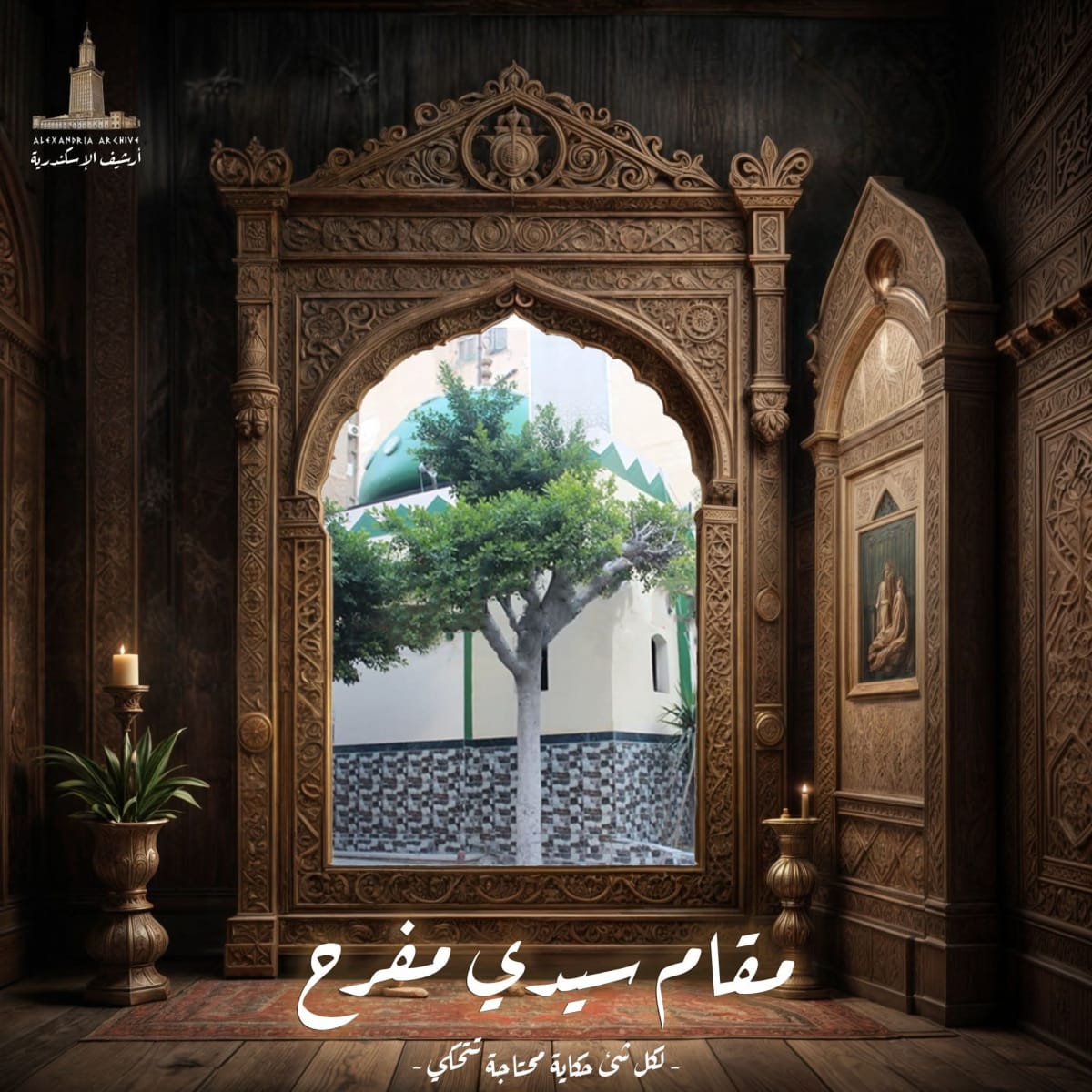
“مفرح القلوب” هو الإسم الذي اشتهر به أحد أبرز الأضرحة في الإسكندرية، ضريح “سيدي مفرح” نال هذا الضريح مكانه خاصة بين أهالي المدينة، حيث اشتهر بقدرته على التخفيف من الهموم وجلب الراحة والسعادة للزوار يُعتبر هذا المكان ملاذًا روحانيًا للكثيرين، الذين يعتقدون في قدرته على تهدئة النفوس ومساعدتهم في تجاوز التحديات الحياتية.
يقع ضريح سيدي مفرح في منطقة تاريخية معروفة بكثرة الأضرحة والأولياء، خصوصًا في كوم الدكة وشارع فؤاد، التي كانت في العصور القديمة تضم مقابر رملية دفن فيها العديد من الصالحين يُعد الضريح جزءًا أساسيًا من التراث الروحي للإسكندرية، ويزوره العديد من الناس من داخل المدينة وخارجها لقراءة القرآن وطلب الراحة من همومهم.
اشتهر سيدي مفرح بكونه وليًا صالحًا ارتبطت به العديد من الأساطير والمعتقدات الشعبية يُقال إنه كان يمنح الراحة والسكينة لمن يلجأ إليه أثناء حياته، وبعد وفاته، استمرت البركة في ضريحه.
تتمثل إحدى الطقوس الشهيرة في زيارة ضريح سيدي مفرح يوم الجمعة مع 7 حبات فول وصاجة وشمعة تقوم النساء بتسخين الفول على الصاجة، وإذا صدر عن الفول صوت “طقطقة”، يُعتقد أن الزوج يخونها. في هذه الحالة، يُعتقد أنه يجب على المرأة “كنس” الضريح والدعاء له ليهتدي.
من المعتقدات المرتبطة بالإسكندرية أيضًا تقليد قديم يتمثل في الإستحمام بمياه البحر في شهر طوبة، الشهر الخامس من السنة القبطية (يبدأ في 7 يناير) يُعتقد أن مياه البحر في هذا التوقيت تقوي الجسم وتحميه من الأمراض، خاصة البرد المثل الشعبي “طوبة يخلي الصبية كركوبة” يُعبر عن تأثير البرد القاسي في هذا الشهر.
تعد زيارة ضريح سيدي مفرح جزءًا من عادات وتقاليد أهل الإسكندرية يُحتفل بمولده سنويًا في النصف الثاني من رمضان، حيث تشمل الإحتفالات قراءة الفاتحة والحضرات الصوفية، إضافة إلى طقوس تهدف إلى جلب البركة والطمأنينة.
#أرشيف_الإسكندرية
Shrine of Sidi Mufreh
“Mufarrih al-Qulub” is the name by which one of the most prominent shrines in Alexandria, the shrine of “Sidi Mufarrih,” is known. This shrine holds a special place among the city’s residents, as it is famous for its ability to alleviate worries and bring comfort and happiness to visitors. This place is considered a spiritual refuge for many, who believe in its power to calm the soul and help them overcome life’s challenges.
The shrine of Sidi Mufarrih is located in a historic area known for its abundance of shrines and saints, particularly in Kom El-Dikka and Fouad Street, which in ancient times were sandy cemeteries where many righteous individuals were buried. The shrine is an essential part of Alexandria’s spiritual heritage, and many people from both within and outside the city visit it to read the Quran and seek relief from their worries.
Sidi Mufarrih is renowned as a righteous saint, associated with many myths and popular beliefs. It is said that he would offer comfort and peace to those who turned to him in their lifetime, and after his death, the blessings continued at his shrine.
One of the famous rituals involves visiting the shrine of Sidi Mufarrih on Fridays with 7 beans, a flat pan, and a candle. Women heat the beans on the pan, and if the beans make a “crackling” sound, it is believed that the husband is unfaithful. In this case, it is believed that the woman should “sweep” the shrine and pray for his guidance.
Another belief associated with Alexandria is an ancient tradition of bathing in the sea during the month of Toba, the fifth month of the Coptic calendar (beginning on January 7). It is believed that the sea water during this time strengthens the body and protects it from diseases, especially the cold. The popular saying “Toba makes the girl a wreck” refers to the harsh cold effects in this month.
Visiting the shrine of Sidi Mufarrih is an integral part of Alexandria’s customs and traditions. His annual celebration is held in the second half of Ramadan, where rituals such as reading the Fatiha and Sufi gatherings are performed, along with other customs aimed at bringing blessings and tranquility.