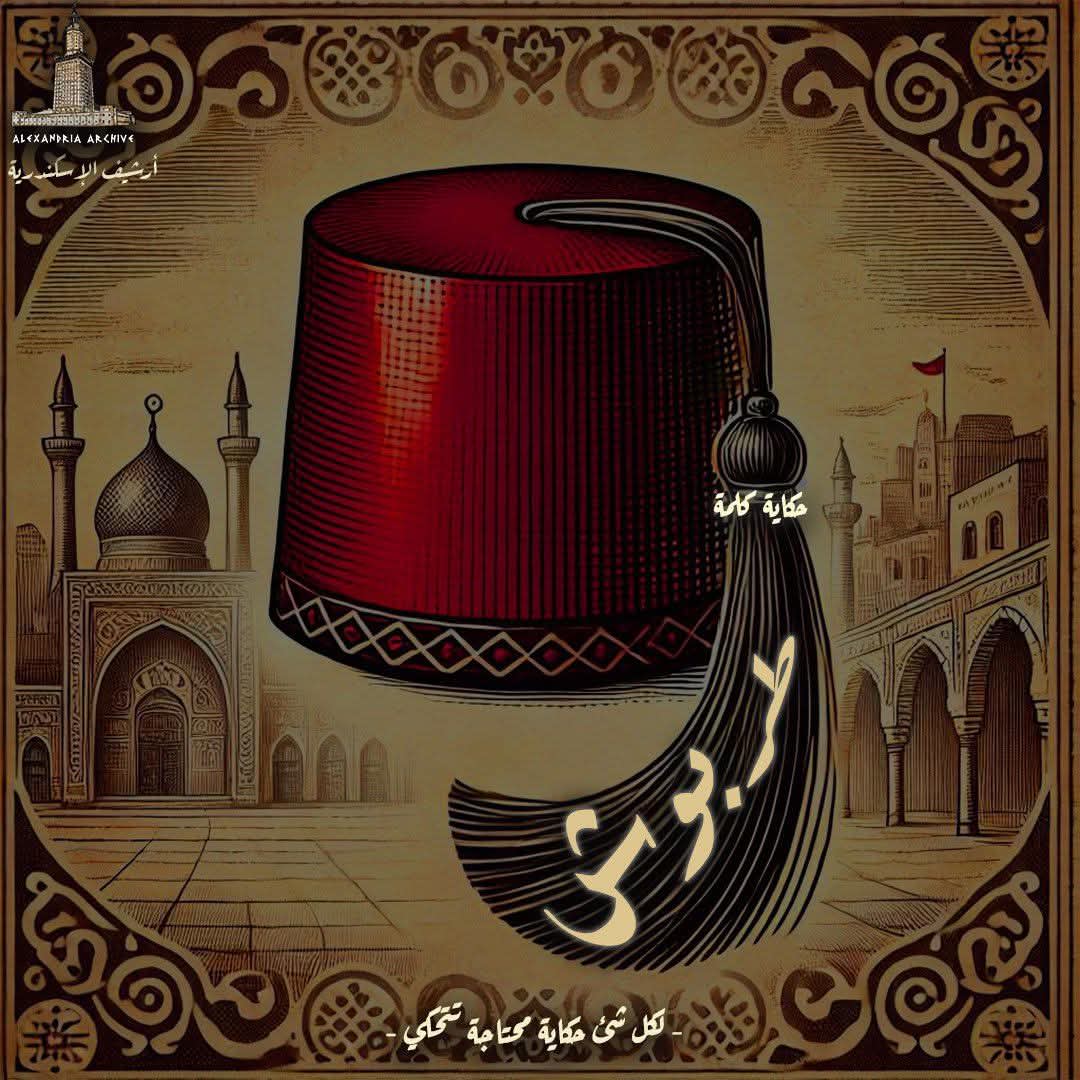
في أعماق التاريخ توجد العديد من القصص الخفية حول الأزياء التقليدية التي ساعدت في تشكيل هوية الشعب وثقافته وواحد من هذه الرموز التي خضعت لتطورات تاريخية وتحولات اجتماعية هو «الطربوش» .
يعود أصل كلمة "طربوش" إلى الكلمة الفارسية " سربوش" والتي تعني غطاء الرأس ، ومع مرور الزمن تطورت الكلمة وتحورت حتى أصبحت على شكلها الحالي ، اختلفت الروايات حول بداية ظهور الطربوش في مصر ، فيُقال أن بداية صناعته من 400 عام وأول ظهور كان في اليونان وألبانيا ثم انتقل إلى العرب خلال العصر العثماني ، فأصدر السلطان سليمان القانوني عدة فرمانات بتعميم الطربوش كزي بروتوكولي .
وفي عهد محمد علي باشا في القرن التاسع عشر كان ارتداء الطربوش عادة عثمانية ثم أصبح مكون أساسي في زي موظفي الحكومة ويعاقب من لا يلتزم به.
وفي النص الأول من القرن العشرين لم يكن لبس الطربوش مجرد تغطية للرأس وإنما كان رمز للثقافة.
وبقى الطربوش ﻣﻈﻬﺮﺍً مهماً ﻟﻠﻮﻗﺎﺭ ﻭﺍﻟﻤﻜﺎﻧﺔ ﺍلإﺟﺘﻤﺎﻋﻴﺔ في ﻣﺼﺮ حتى قيام ثورة يوليو قرر الرئيس جمال عبد الناصر إلغاء فكره إلزامية ارتدائه.
وكما هي عادة الزمان تلاشى هذا الإرث العثماني شيئاً فشيئاً والذي ظل عصوراً رمزاً للمكانه الإجتماعية في مصر ولا يزال متداول معرفته بفضل علماء الأزهر والسياح والفنانين في بعض أعمالهم.
#أرشيف_الإسكندرية
The story of the word tarboosh
Deep within history, there are many hidden stories about traditional attire that helped shape a people's identity and culture. One such symbol that has undergone historical developments and social transformations is the 'tarboosh'.
The word 'tarboosh' originates from the Persian word 'sarboosh', which means head covering. Over time, the word evolved and transformed into its current form. Accounts vary regarding the initial appearance of the tarboosh in Egypt. Some say that its production began 400 years ago, and its first appearance was in Greece and Albania before spreading to Arab lands during the Ottoman era. Sultan Suleiman the Magnificent issued several decrees to popularize the tarboosh as a protocol uniform.
During the reign of Muhammad Ali Pasha in the 19th century, wearing the tarboosh became an Ottoman custom, and later, it became a fundamental component of the government officials' uniform, with penalties imposed on those who did not adhere to this dress code.
In the first half of the 20th century, wearing the tarboosh was not merely about covering the head; it was a symbol of culture. The tarboosh remained an important indicator of prestige and social status in Egypt until the July Revolution, when President Gamal Abdel Nasser decided to abolish the mandatory wearing of it.
As time passed, this Ottoman legacy gradually faded, having been a symbol of social status in Egypt for centuries. Its knowledge continues to be circulated thanks to Al-Azhar scholars, tourists, and artists in some of their works.