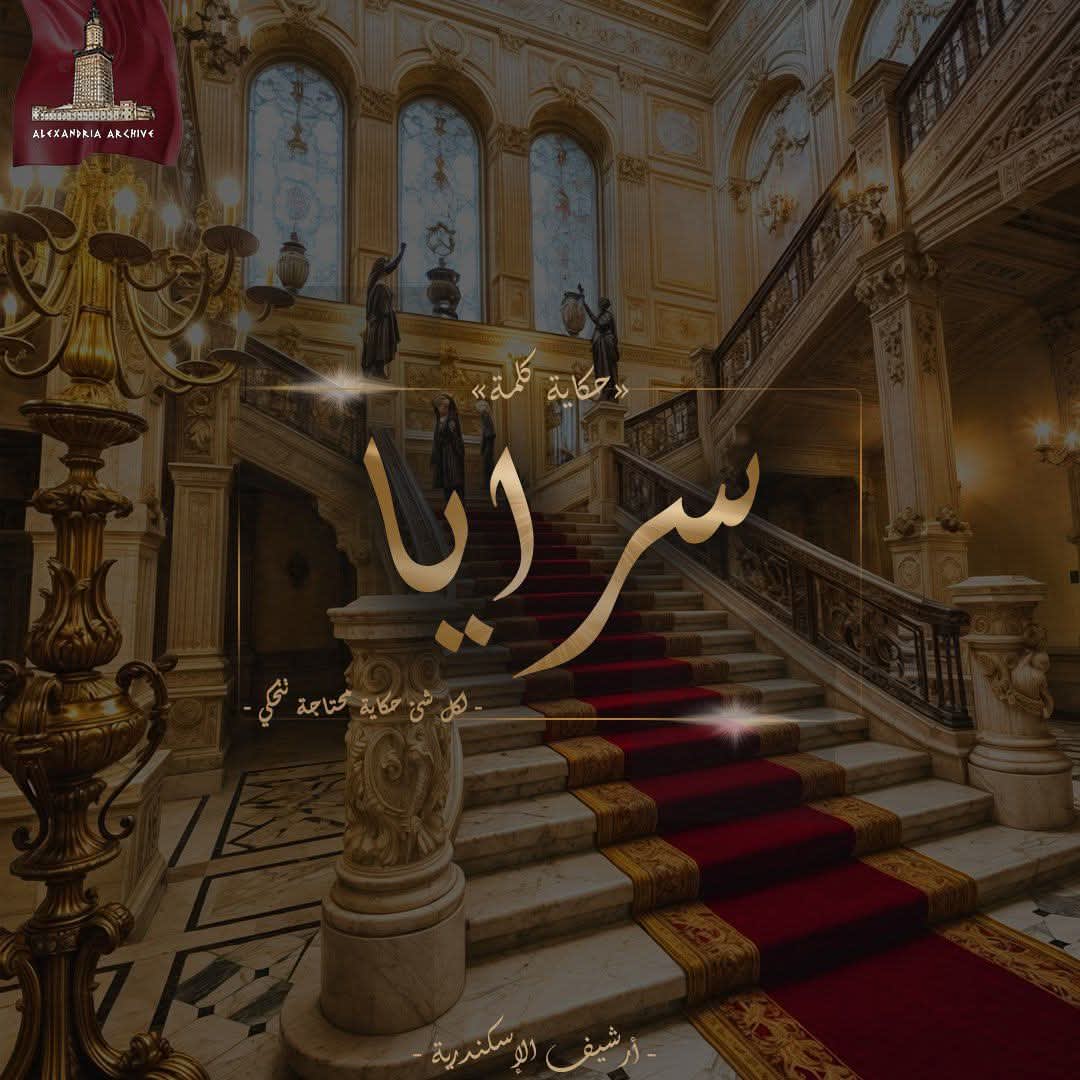
نستكمل حكاياتنا حول أصول الكلمات، حيث نغوص في أعماق التاريخ لإكتشاف المعاني والجذور التي تقف خلف بعض المفردات التي نستخدمها في حياتنا اليومية، رمز مهم ارتبط على مر العصور بالسلطة والهيبة، وهو “السرايا”. تعتبر السرايا واحدة من الكلمات التي حملت في طياتها الكثير من الدلالات التاريخية والثقافية، وراءها قصة طويلة تتعلق بالسلطة، الحكم، والفخامة لمدى اكبر من ظاهرها
وهي كلمة ذات أصل فارسي وتعني "القصر" وانتقلت إلى اللغة العربية عبر العصر العثماني وانتشرت في بلاد الشام ومصر واستُخدمت لوصف المباني الحكومية والقصور التي كان يقيم فيها الحكام.
وكانت تسمى تلك المباني بالسرايا لأنها كانت كبيرة الحجم وذات طابع معماري فخم مما جعلها ترمز إلى السُلطة والوقار فارتبطت السرايا بالسلطة والحكم فكان يقيم بها الحكام مع عائلاتهم وموظفيهم.
وكانت السرايا تتكون من أبراج وحصون لتوفير الحماية والأمان والأقواس والأعمدة كانت تعطي المبنى شكلاً جميلاً وبها ساحات تستخدم للتجمعات والأنشطة المختلفة وحدائق تساعد على الاسترخاء والتأمل .
وتنوعت أنواع السرايا بإختلاف العصور والأماكن منها العسكرية استخدموها كقواعد عسكرية ومعسكرات وسرايا حكومية كانت مقرات للحكام والمسؤولين الحكوميين وسرايا دينية تستخدم كمراكز دينية أو مدارس دينية والسرايا التجارية وكانت كمخازن وسرايا خاصة كانت قصوراً فاخرة لبحوث الأغنياء والأشراف.
#أرشيف_الإسكندرية
The story of the word Saraya
We continue our exploration of the origins of words, delving into the depths of history to uncover the meanings and roots behind some of the terms we use in our daily lives. A significant symbol that has been associated with authority and prestige throughout the ages is "sarraya." The sarraya is one of those words that carries with it a wealth of historical and cultural connotations, with a long story behind it that relates to power, governance, and grandeur beyond its apparent meaning.
This word has Persian roots and means "palace". It was adopted into the Arabic language during the Ottoman era and spread throughout the Levant and Egypt, where it was used to describe government buildings and palaces that housed rulers.
These buildings were called "sarraya" because of their large size and opulent architecture, making them symbols of authority and dignity. As a result, "sarraya" became associated with power and governance, and rulers would reside there with their families and staff.
Sarrayas typically featured towers and fortresses for protection and security, as well as arches and columns that added to their aesthetic appeal. They also included courtyards for gatherings and various activities, and gardens for relaxation and contemplation.
The types of sarraya varied across different eras and regions. There were military sarraya used as military bases and barracks, government sarraya that served as headquarters for rulers and government officials, religious sarraya used as religious centers or schools, commercial sarraya used as warehouses, and private sarraya that were luxurious palaces for the wealthy and elite.