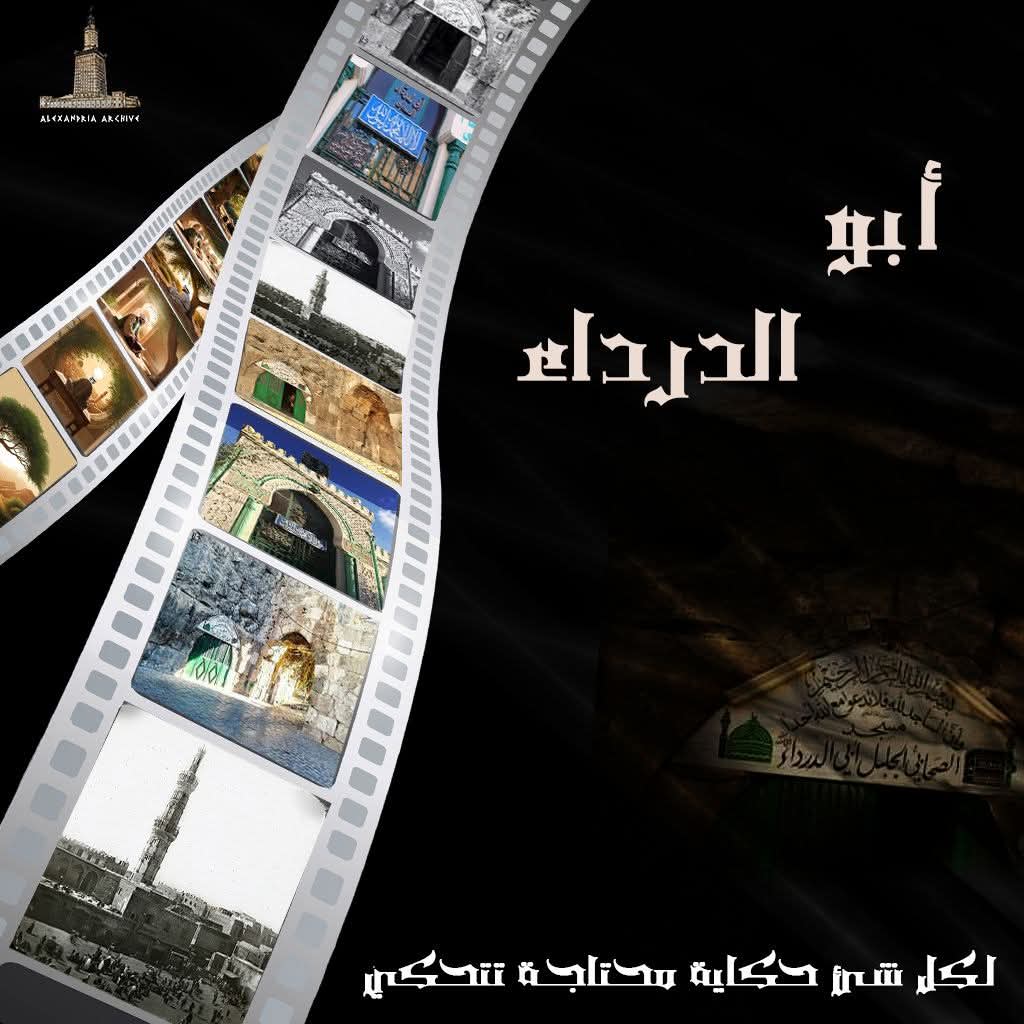
نعود بالزمن إلى عهد النبوة ، لنسلط الضوء على حياة أحد الصحابه والذي جمع بين العلم والعبادة والحكمة وهو الصحابي الجليل «أبو الدرداء».
ولم يكن اسم أبو الدرداء اسمه الحقيقي بل كان اسمه "عويمر" واختلفت المراجع في اسم أبيه فقيل : بن عبدالله وقيل : بن زيد وقيل : ابن ثعلبة ولكن هذه المراجع اتفقت على كنيته وهي أبو الدرداء وتم تحريف اسمه إلى "أبو الدردار" لصعوبه النطق بالألف والهمزة.
وسمي شارع في حي اللبان على اسمه ويتوسطه ضريحه والترام يسير بجانبه على اليمين واليسار ، مما يثير هذا التساؤل حول لما لم يتم تحريك الضريح لتسهيل حركة المرور فنستمع روايات عدة عن ذلك ، أحدها أنه عندما قررت البلدية نقل الضريح إلى مكان آخر لتوسيع الشارع وبدأت في ذلك ولكن أحد العمال توقفت يداه وأصيب بشلل أثناء نقل الضريح ، ورفض بقية العمال الإستمرار في العمل وظنوا أن الصحابي الجليل يأبى أن ينقل جثمانه واضطرت البلدية أن تخضع لإعتقاد العامة وأبقت الضريح في مكانه.
كان أبو الدرداء خزرجياً أنصارياً ينتمي إلى إحدى القبيلتين الكبيرتين "الأوس والخزرج" وكان من الأنصار أهل المدينة الذين رحبوا بالرسول عند هجرته إليهم ، وهناك بعض المراجع تذكر أنه لم يكن من الأنصار الأوائل الذين دخلوا الإسلام وأنه أسلم يوم بدر أي في السنة الثانية من الهجرة.
وكان أبو الدرداء يعمل بالتجارة قبل الإسلام وكان جندياً شجاعاً وفارساً مغواراً يجيد فن الحرب والقتال وتتلمذ على يد الرسول الكريم وتلقى تعاليمه فترك التجارة وآثر التفرغ للعبادة ، ويقول عن نفسه " كنت تاجراً قبل البعث فلما جاء الإسلام جمعت التجارة والعبادة فلم يجتمعا ، فتركت التجارة ولزمت العبادة"
ويقول أيضاً : " والذي يد أبى الدرداء بيده ما أحب أن لي اليوم حانوتاً على باب المسجد لا تخطئ فيه الصلاة أربح فيه كل يوم أربعين ديناراً وأتصدق بها في سبيل الله"
وعندما أخى الرسول بين المهاجرين والأنصار أخى بينه وبين سلمان.
وكان أبو الدرداء يشارك دائما في الأحداث الهامة ودائماً في الصفوف الأولى ، روى أنه شارك في غزوة أحد وأن الرسول أمره يوم أحد أن يرد من على الجبل فردهم وحده ، فنظر الرسول إلى الأعداء وهم يفرون أمامه منهزمين وقال : "نِعم الفارس عُويمر غير أُفَّةٍ" أي غير جبان ولا يضجر من الشدة.
وتولى منصب قاضياً لعاصمة الدولة في عهد عمر بن الخطاب فكان قاضي عادل دون شك ويلتزم الحرص الشديد في قضاياه حتى لا يضيع حق أحد ويفهم النفس الإنسانية فهماً طيباً ولا يرى أن يتبع البعض أخطاء غيره فلكل إنسان أخطاؤه.
وكان واحداً من خمسة توفروا في جمع القرآن وكلهم من الأنصار ، وفي أوائل عهد عمر بن الخطاب فتح الشام واستقر في دمشق يعلم الناس ويفقههم في الدين والقرآن
#أرشيف_الإسكندرية
Abu al-Darda'
Let us journey back in time to the era of the Prophet and cast a spotlight on the life of one of his companions, a man who embodied knowledge, devotion, and wisdom: the noble companion, Abu Darda'.
Abu Darda' was not his birth name, but rather 'Uwaymir'. Sources differ regarding his father's name, with some stating it was Abdullah, others Zayd, and yet others Tha'laba. However, all sources agree on his kunya (honorific title), Abu Darda'. Over time, his name was sometimes mispronounced as 'Abu Dardār' due to the difficulty of pronouncing the alif and hamza.
A street in the Al-Luban district bears his name, and his shrine is located in its center. A tram runs alongside the street on both sides, giving rise to the question of why the shrine has not been moved to facilitate traffic flow. Several accounts exist to explain this. One story tells of how the municipality decided to relocate the shrine to expand the street and began the process. However, one of the workers had his hands paralyzed during the transfer, and the remaining workers refused to continue, believing that the noble companion was unwilling to have his remains moved. The municipality was forced to yield to public belief and left the shrine in its original place.
Abu Darda' was a Khazraji Ansari, belonging to one of the two major tribes, the Aws and the Khazraj. He was among the Ansar of Medina who welcomed the Prophet upon his migration. Some sources indicate that he was not among the first Ansar to embrace Islam, but rather converted on the day of the Battle of Badr, in the second year of the Hijrah.
Before embracing Islam, Abu Darda' was a merchant and a brave, courageous knight skilled in warfare. He studied under the noble Prophet and received his teachings, causing him to abandon trade and devote himself entirely to worship. He once said, 'I was a merchant before the revelation, but when Islam came, I tried to combine trade with worship, but they could not coexist. So I left trade and adhered to worship.' He also said, 'By the One in Whose hand is the soul of Abu Darda', I would not want to have a shop at the door of the mosque today, where prayers would not be missed, even if I earned forty dinars every day and gave them in charity for the sake of Allah.'
When the Prophet paired the Muhajirun (emigrants) with the Ansar (helpers), he paired him with Salman.
Abu Darda' was always at the forefront of important events. It is narrated that he participated in the Battle of Uhud and that the Prophet commanded him on that day to drive back those who had climbed the mountain, and he single-handedly drove them back. The Prophet looked at the enemies as they fled before him in defeat and said, 'Indeed, Uwaymir is a noble knight, not cowardly or easily discouraged.'
He later became a judge in the capital during the reign of Umar ibn al-Khattab. He was undoubtedly a just judge who was very careful in his judgments, ensuring that no one's rights were violated. He had a deep understanding of human nature and did not believe that people should follow the mistakes of others, as everyone makes mistakes.
He was one of five companions who were proficient in compiling the Quran, and they were all Ansar. In the early days of Umar ibn al-Khattab's caliphate, he went to Syria and settled in Damascus, where he taught people and instructed them in religion and the Quran.