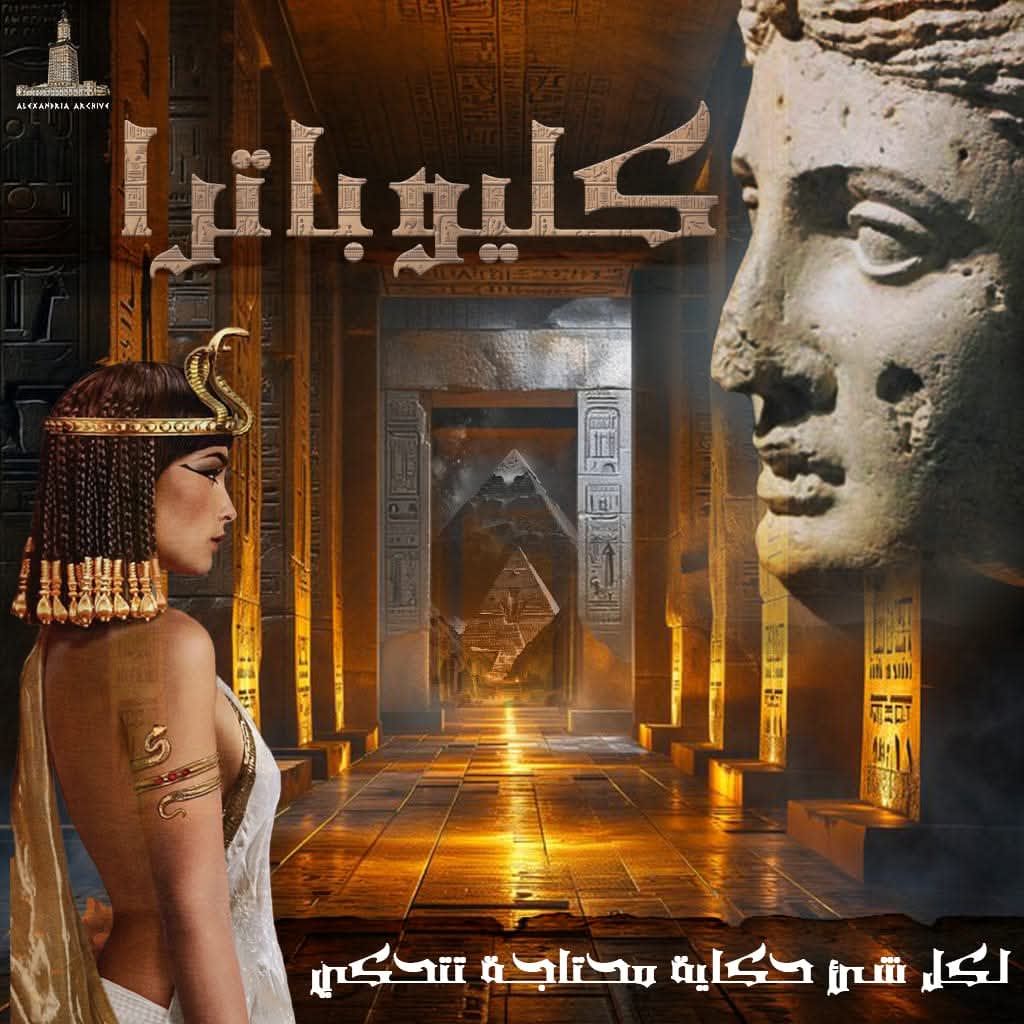
في قلب الحضارة المصرية القديمة، تقف كليوباترا كرمز للغموض والتحدي من علاقاتها بالقادة الرومان إلى مصيرها المأساوي، قصتها لا تزال تثير التساؤلات حول قوة المرأة وحكمة القادة.
كانت كليوباترا هي ملكة مصر الأخيرة من الأسرة البطلمية التي حكمت مصر بعد الإسكندر الأكبر ؛ حكمت كليوباترا من عام 51 قبل الميلاد حتى وفاتها عام 30 قبل الميلاد.
اشتهرت كليوباترا بجمالها الفاتن وذكائها الحاد حتى أن المؤرخون القدماء وصفوها بإستخدام هذا الجمال كسلاح قوي لتحقيق أهدافها السياسية ، حيث استطاعت تكوين علاقات مع القادة الرومان يوليوس قيصر ومارك أنطوني.
وحتى مع التوسع الروماني إلا أن الملكة كليوباترا تمكنت من الحفاظ على استقلال مصر لسنوات عديدة ، واهتمت بالثقافة المصرية القديمة ودعمت دراستها وحفظها ، وكانت تتحدث عدة لغات منها اليونانية واللاتينية والمصرية القديمة.
لم تكن الملكة كليوباترا مصرية الأصل بل يونانية ورغم ذلك فكان ارتباطها وثيق بمصر ، وتزوجت من أخيها الأصغر بطليموس الثالث عشر وفقًا للتقاليد البطلمية ، وكانت زعيمة عسكرية قوية حيث قادت الجيوش في بعض المعارك .
تعددت الروايات حول طريقة موتها أشهرها أنها انتحرت بلدغة أفعى لتتفادى الأسر على يد الرومان بعد هزيمة عشيقها مارك أنطوني في معركة أكتيوم تلك أكثر رواية انتشرت وأصبحت جزءًا من الأساطير حولها إلا أنها لا تزال مجرد رواية والحقيقة حول وفاتها قد تبقى لغزًا.
سننتقل الآن إلى جانب آخر من حياتها، وهو الأساطير التي أحاطت بها. تلك الأساطير لم تكن قليلة، بل لعبت دورًا هامًا في إضفاء المزيد من التعقيد والغموض على حياتها، مما جعل شخصيتها تتأرجح بين الحقيقة والخيال على مر العصور.
رغم كونها رمزًا للجمال الساحر، إلا أن بعض الأساطير اعتبرت جمال كليوباترا غير طبيعي، حيث ربطت هذا الجمال بقوى خارقة تفوق الحدود المعتادة. ومع ذلك، تشير الأدلة التاريخية إلى أن تأثيرها لم يقتصر على جمالها فقط. فقد كان نفوذها يكمن في قدرتها على الجمع بين الذكاء الاستثنائي والمهارات السياسية الفائقة. كانت تتحدث عدة لغات ولديها معرفة عميقة بالتاريخ والثقافة، مما جعلها شخصية قوية ومؤثرة في عصرها.
تكتنف أسطورة وفاة كليوباترا الكثير من الغموض والتكهنات. بينما تروج الرواية التقليدية لفكرة انتحارها بواسطة لدغة أفعى الكوبرا، فإن هناك العديد من الأساطير التي تتناول وفاتها بطرق أخرى، مثل تسميمها أو حتى اغتيالها. عدم وجود أدلة قاطعة حول سبب وفاتها جعل هذه الأساطير محط جدل مستمر بين المؤرخين، مما أضاف مزيدًا من الغموض إلى نهاية حياتها.
لا يزال مكان دفن كليوباترا محاطًا بالعديد من الأساطير والألغاز التي لم تُحل حتى اليوم. على الرغم من العديد من محاولات البحث والتنقيب، لم يتم العثور على دليل قاطع يؤكد مكان مثواها الأخير. من بين الأساطير المتداولة، يُعتقد أن قبرها يقع في مكان سري بالقرب من الإسكندرية، حيث يقال إن كليوباترا دفنت إلى جانب حبيبها مارك أنطوني. لكن الحقيقة المحتملة هي وجود مقبرتها بجانب القصر الذي عاشت فيه بالإسكندرية تحت البحر، وفقًا لما قاله المؤرخ بلوتارخ.
في الختام، تظل أساطير كليوباترا مصدرًا للغموض وإثارة للجدل عبر العصور، مما يجعلها واحدة من أكثر الشخصيات التاريخية جذبًا للاهتمام والتساؤلات. من جمالها الساحر إلى وفاتها المجهولة، تظل حياتها مليئة بالأساطير التي تضمن استمرار إحياء اسمها في الأذهان عبر الأجيال.
#أرشيف_الإسكندرية
Cleopatra
At the heart of ancient Egyptian civilization, Cleopatra stands as an icon of mystery and defiance. From her relationships with Roman leaders to her tragic fate, her story continues to spark questions about female power and the wisdom of leaders.
Cleopatra was the last queen of Egypt from the Ptolemaic dynasty, which ruled Egypt after Alexander the Great. Cleopatra reigned from 51 BC until her death in 30 BC.
Cleopatra was renowned for her captivating beauty and sharp intellect.
Ancient historians described her as using this beauty as a powerful weapon to achieve her political goals.
She managed to form relationships with the Roman leaders Julius Caesar and Mark Antony.
Even with Roman expansion, Queen Cleopatra managed to maintain Egypt's independence for many years.
She was interested in ancient Egyptian culture and supported its study and preservation. She spoke several languages, including Greek, Latin, and ancient Egyptian.
Queen Cleopatra was not originally Egyptian but Greek. Despite this, she had a deep connection to Egypt. She married her younger brother Ptolemy XIII, according to Ptolemaic tradition. She was also a strong military leader, having led armies in several battles.
There are many accounts of how she died, the most famous being that she committed suicide by a snakebite to avoid being captured by the Romans after the defeat of her lover Mark Antony at the Battle of Actium. This is the most widely spread story and has become part of the legends surrounding her, but it remains just a story, and the truth about her death may forever remain a mystery., we now shift to another aspect of her story—the myths that surrounded her. These myths were not few; they played a significant role in adding complexity and mystery to her life, causing her character to oscillate between fact and fiction throughout the ages.
Although she is a symbol of enchanting beauty, some myths considered Cleopatra’s beauty to be unnatural, attributing it to supernatural powers beyond the ordinary. However, historical evidence suggests that her influence was not solely due to her beauty. Her power stemmed from her ability to combine extraordinary intelligence with exceptional political skills. She spoke several languages and had a deep knowledge of history and culture, which made her a powerful and influential figure in her time.
The myth surrounding Cleopatra’s death is shrouded in mystery and speculation. While the traditional narrative promotes the idea of her suicide by snake bite, there are numerous myths that explore other possibilities, such as poisoning or even assassination. The lack of concrete evidence about the cause of her death has made these myths a topic of ongoing debate among historians, adding further intrigue to the end of her life.
Cleopatra’s burial site remains one of the greatest unsolved archaeological puzzles. Despite numerous attempts at excavation, no conclusive evidence has been found to confirm the location of her final resting place. Among the prevailing myths, it is believed that her tomb is hidden in a secret location near Alexandria, where she is said to have been buried alongside her lover, Mark Antony. However, the more plausible theory is that her tomb lies next to the palace where she lived in Alexandria, submerged under the sea, as suggested by the historian Plutarch.
In conclusion, Cleopatra’s myths remain a source of mystery and controversy through the ages, making her one of the most historically captivating figures. From her enchanting beauty to her unknown death, her life is filled with myths that ensure her name continues to resonate in the minds of generations.