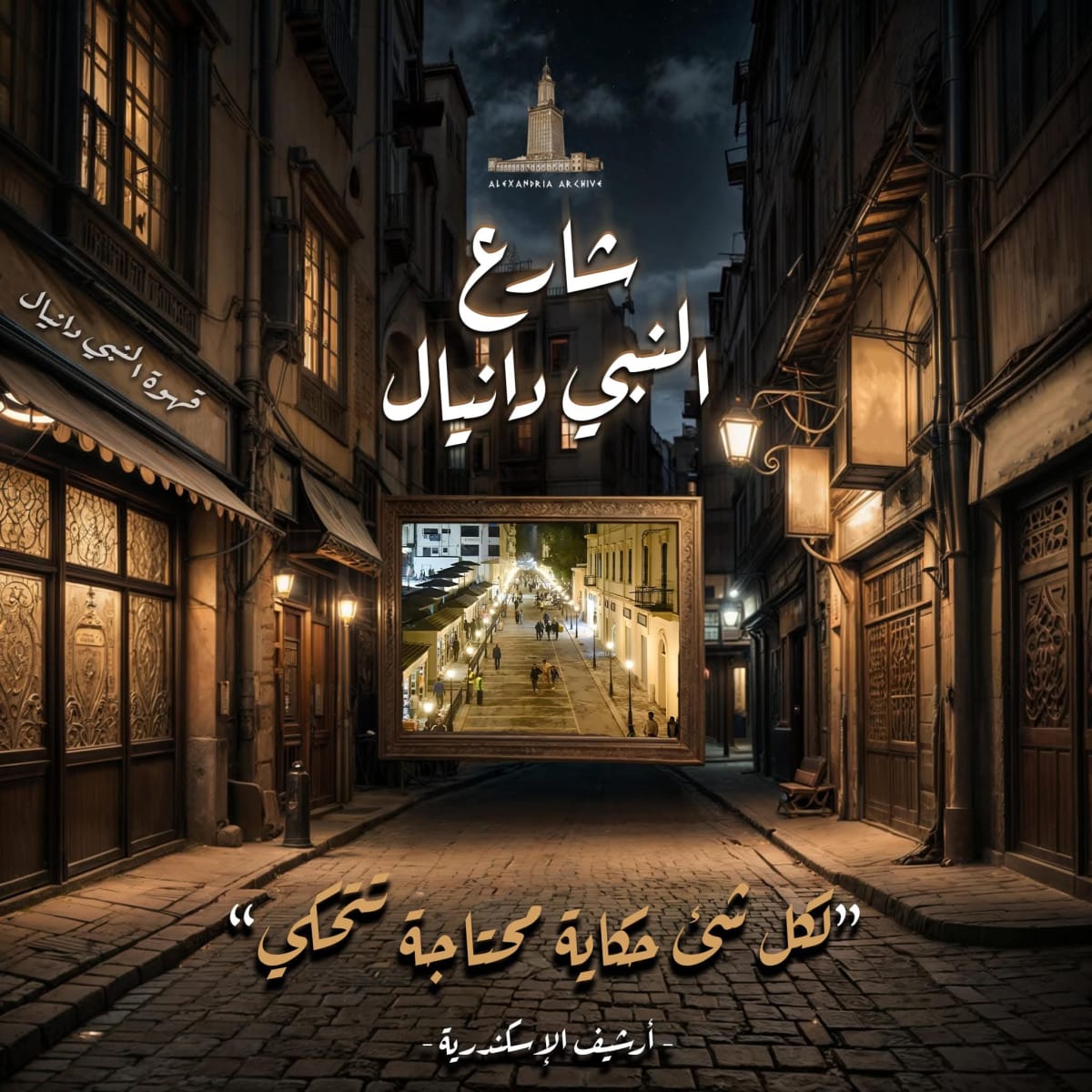
في قلب الإسكندرية يتواجد شارع اشتهر بالكتب التي تجذب كل محبي القراءة، لكن ذلك لم يمنع تداول الأساطير عنه؛ من قبر الإسكندر الأكبر إلى السراديب الخفية، فهو ليس مجرد ممر، بل يحمل في ثناياه التاريخ والثقافة والخرافات.
تنوعت الحكايات المتعلقة بشارع النبي دانيال، حيث يُعتقد أن قبر الإسكندر الأكبر متواجد هناك خاصة بعد أن زعم اليوناني “إستيليوس” أنه عثر على مخطوطات تشير إلى مكان قبر الإسكندر في هذا الشارع مما أدى إلى إجراء عمليات حفر عديدة سعيًا وراء اكتشاف القبر، لكن معظمها كانت تنتهي باكتشاف سراديب أو صهاريج جديدة، وزاد غموض الأمر حولهم بعد أن أشار المؤرخ المقريزي أنها تمتد إلى البحر المتوسط وقد تقود إلى القبر المفقود.
يمثل الشارع ملتقى للديانات السماوية الثلاثة: الإسلام، المسيحية، واليهودية. مع معالمه الدينية مثل مسجد النبي دانيال، الكنيسة المرقسية، والمعبد اليهودي، لكنهم لم يسلموا أيضًا من الأساطير والخرافات الشعبية، حيث يُقال إن مياه المسجد كانت تُستخدم في تهذيب سلوك الأطفال المشاغبين، أما الكنيسة فكانت تخفي جسد القديس مرقس لفترة قبل أن يُسرق، مما ترك للمكان انطباعًا بالقدرة الخارقة.
كما أنه في عام 1967م حدث هبوط أرضي مفاجئ في تقاطع شارع النبي دانيال وشارع فؤاد، والذي أدى إلى اختفاء السيدة ميرفت بشكل غريب فأصبحت الحادثة جزءًا من القصص الشعبية وأنها لعنة المكان وليس مجرد هبوط أرضي.
بين الكتب القديمة والمعالم الدينية تُشكل لنا حضارة مميزة تتداخل فيها الحقائق مع الخرافات؛ مما يضيف للمكان سحرًا
خاصًا وغموضًا، ويجعل كل زاوية فيه مليئة بالفضول والاكتشاف.
#أرشيف_الإسكندرية
Prophet Daniel Street
In the heart of Alexandria lies a street famous for its books that captivate every reading enthusiast. However, that hasn’t stopped the circulation of legends about it; from the tomb of Alexander the Great to hidden tunnels, this street is more than just a passage—it holds within it history, culture, and myths.
The tales surrounding Nabi Daniel Street are diverse. It is believed that Alexander the Great’s tomb is located there, especially after the Greek “Estilios” claimed to have found manuscripts pointing to the location of the tomb on this street. This led to numerous excavation attempts in search of the tomb, but most ended with the discovery of new tunnels or cisterns. The mystery deepened when historian Al-Maqrizi suggested that these tunnels stretch to the Mediterranean Sea and might lead to the lost tomb.
The street is a meeting point for the three monotheistic religions: Islam, Christianity, and Judaism, with its religious landmarks like the Nabi Daniel Mosque, the Saint Mark’s Coptic Orthodox Cathedral, and the Jewish synagogue. However, these sites were also not spared from myths and folk legends. It’s said that the mosque’s water was used to discipline misbehaving children, while the church supposedly hid the body of Saint Mark for a time before it was stolen, leaving the place with an aura of supernatural power.
Additionally, in 1967, a sudden ground collapse occurred at the intersection of Nabi Daniel Street and Fouad Street, which led to the mysterious disappearance of a woman named Mervat. The incident became part of local folklore, with many attributing it to the curse of the place rather than just a simple ground collapse.
Among the old books and religious landmarks, a unique civilization is shaped, where facts blend with myths, adding a special charm and mystery to the place, making every corner filled with curiosity and discovery.