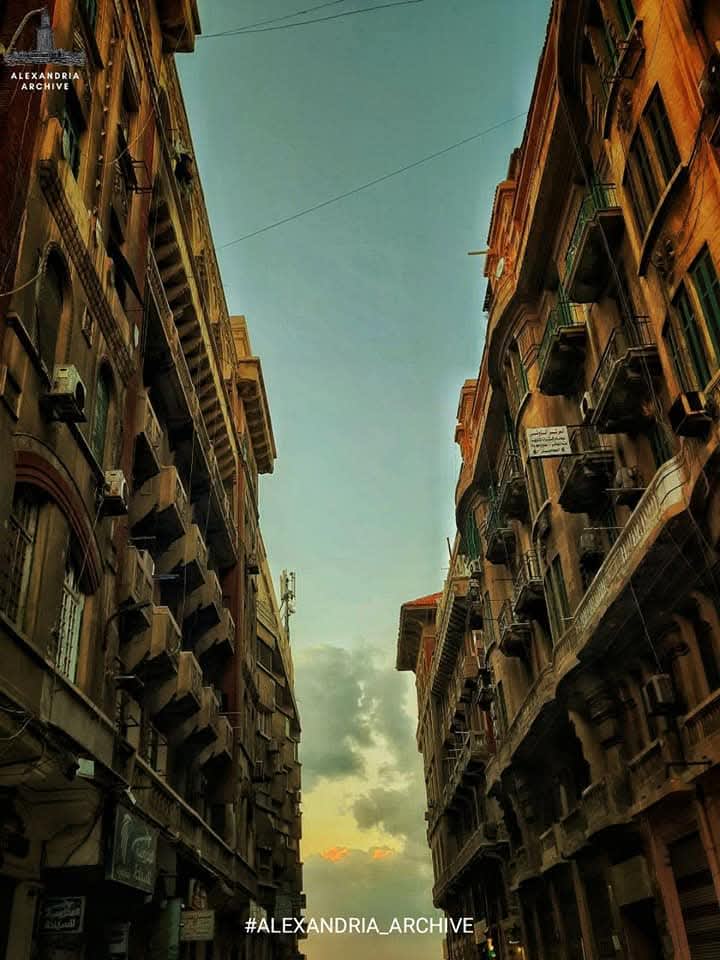
إذا قمنا بالحديث عن مدينة الإسكندرية سيخطر ببالنا واحدة من أعرق وأقدم المناطق اللافتة للأنظار و المعروفة بأصالة شوارعها المبنية على طراز اوروبي و رغم ذلك لم تفقد رونقها الشرقي «محطة الرمل».
تعد محطة الرمل من أبرز مناطق مدينة الإسكندرية و التي تشتهر بوجود عدد من المعالم التاريخية كما يوجد في أسفل المحطة مجمع جمعيات إستهلاكية و أماكن السينما بالإضافة أنها تضم أعرق الشوارع في مصر كشارع صفية زغلول و شارع النبي دانيال و أعرق الميادين كميدان سعد زغلول و ينتهي الميدان بمسجد القائد إبراهيم حيث قرر الملك فاروق إنشاء المسجد بمناسبة الإحتفال بمرور مئة عام على وفاة إبراهيم باشا ابن محمد علي باشا حيث بدأ إنشاؤه عام 1948 م و افتتح عام 1951 م
سبب التسمية :
كانت المنطقة مكاناً أشبه بالصحراء تملؤه الكثبان الرملية و كان وراء هذه الكثبان قرية صغيرة اسمها " الرملة" و لم يكن يسمح لغير سكان القرية بالتجول في المنطقة بسبب اعتبار السلطات لها منطقة عسكرية و لكن في العام 1858 أمر محمد سعيد باشا والي مصر إنذاك بتركيب محطة لتنقية المياه الأمر ساهم في دخول الماء للمنازل و بدأ العمران ينتشر في المنطقة و لاحقاً صدر قرار بمد خطوط سكة حديدية لغايات نقل الأفراد على متن القطار من القرية إلي مدينة الإسكندرية و كان الناس يستقلونه من القرية أي أنها كانت محطة إستقلالهم القطار و بذلك اكتسبت المنطقة تسميتها «محطة الرمل»
تاريخها :
يرجع إنشاءها إلي عصر عباس حلمي الثاني و هو عبارة عن موسوعة لتاريخ أسرة محمد علي و إنجازاتها الحضارية بالمحافظة بدءاً من الخديو توفيق حتي الملك فاروق
الميدان تعرض للتطوير عبر عدة مراحل قبل أن يبقي في صورته الحالية ، ففي عام 1882 لم يكن الميدان موجوداً و كان عبارة عن محطة ترام وسط الرمال و كانت المنطقة تسمي قرية الرملة و بداية من عصر عباس حلمي الثاني الذي شهد عصره نقله حضارية بدأ الميدان يأخذ شكله الأوروبي الحالي و كان يوجد في الجهة البحرية أكشاك و مقاصف و في عهد حسين كامل ظهرت المباني المميزة من تصميم المعماري الإيطالي الشهير «لوريا»،
أما مباني الجهة الجنوبية فقد صممها « إيلي لطفي » و هو يهودي مصري و كان نابغة في المشاريع الإقتصادية و أنشأ مجموعة السينمات الشهيرة في الميدان ( فريال وراديو واستراند )
و تم التطوير في عهد الرئيس الراحل جمال عبد الناصر من خلال إنشاء حديقة الخالدين بمحيط مسجد القائد إبراهيم ووضعت بها تماثيل ضخمة لأعلام الإسكندرية "سيد درويش و ابن خلدون والقائد ابراهيم" و صُور بالميدان العديد من الأفلام المصرية القديمة أشهرها ميرامار.
#أرشيف_الإسكندرية
Raml Station 🤍
When we talk about Alexandria, one of its oldest and most striking districts immediately comes to mind, renowned for its authentic European-style streets that have retained their oriental charm: Raml Station.
(Note: The last sentence appears to be a separate, unrelated comment and has been omitted from the translation.) Raml Station is one of the most prominent areas of Alexandria, renowned for its numerous historical landmarks. At the base of the station are a consumer cooperative complex and cinemas. It also boasts some of Egypt's oldest streets, such as Safia Zaghloul Street and Prophet Daniel Street, as well as iconic squares like Saad Zaghloul Square. The square culminates at the Mosque of Qaid Ibrahim, commissioned by King Farouk to commemorate the centenary of the death of Ibrahim Pasha, son of Muhammad Ali Pasha. Construction began in 1948 and the mosque was inaugurated in 1951.
The Origin of the Name:
The area was once a desert landscape filled with sand dunes. Behind these dunes lay a small village called "Al-Ramla." Access to the area was restricted to villagers, as the authorities designated it a military zone. However, in 1858, Muhammad Said Pasha, the then-governor of Egypt, ordered the construction of a water purification plant. This provided access to water for homes, leading to the development of the area. Later, a railway line was built to transport people from the village to Alexandria. This means it was their train station, and thus the area acquired its name, "Ramleh Station."
Its History:
Its establishment dates back to the era of Abbas Hilmi II. It is a testament to the history of the Muhammad Ali dynasty and its civilizational achievements in the governorate, from Khedive Tawfiq to King Farouk.
The square underwent several phases of development before reaching its current form. In 1882, the square did not exist; it was simply a tram station amidst the sand, and the area was called Ramla Village. Starting with the era of Abbas Hilmi II, which witnessed a significant cultural shift, the square began to take on its current European appearance. On the northern side, there were kiosks and cafes. During the era of Hussein Kamel, distinctive buildings designed by the renowned Italian architect, Loria, appeared.
As for the buildings on the southern side, they were designed by Elie Lotfy, an Egyptian Jew who was a genius in economic projects. He established the famous cinema complex in the square (Ferial, Radio, and Strand).
Development continued during the era of the late President Gamal Abdel Nasser with the creation of the Immortal Garden surrounding the Qaed Ibrahim Mosque. It features massive statues of Alexandria's iconic figures, including Sayed Darwish, Ibn Khaldun, and Qaid Ibrahim, and the square has been the setting for many classic Egyptian films, most notably Miramar.