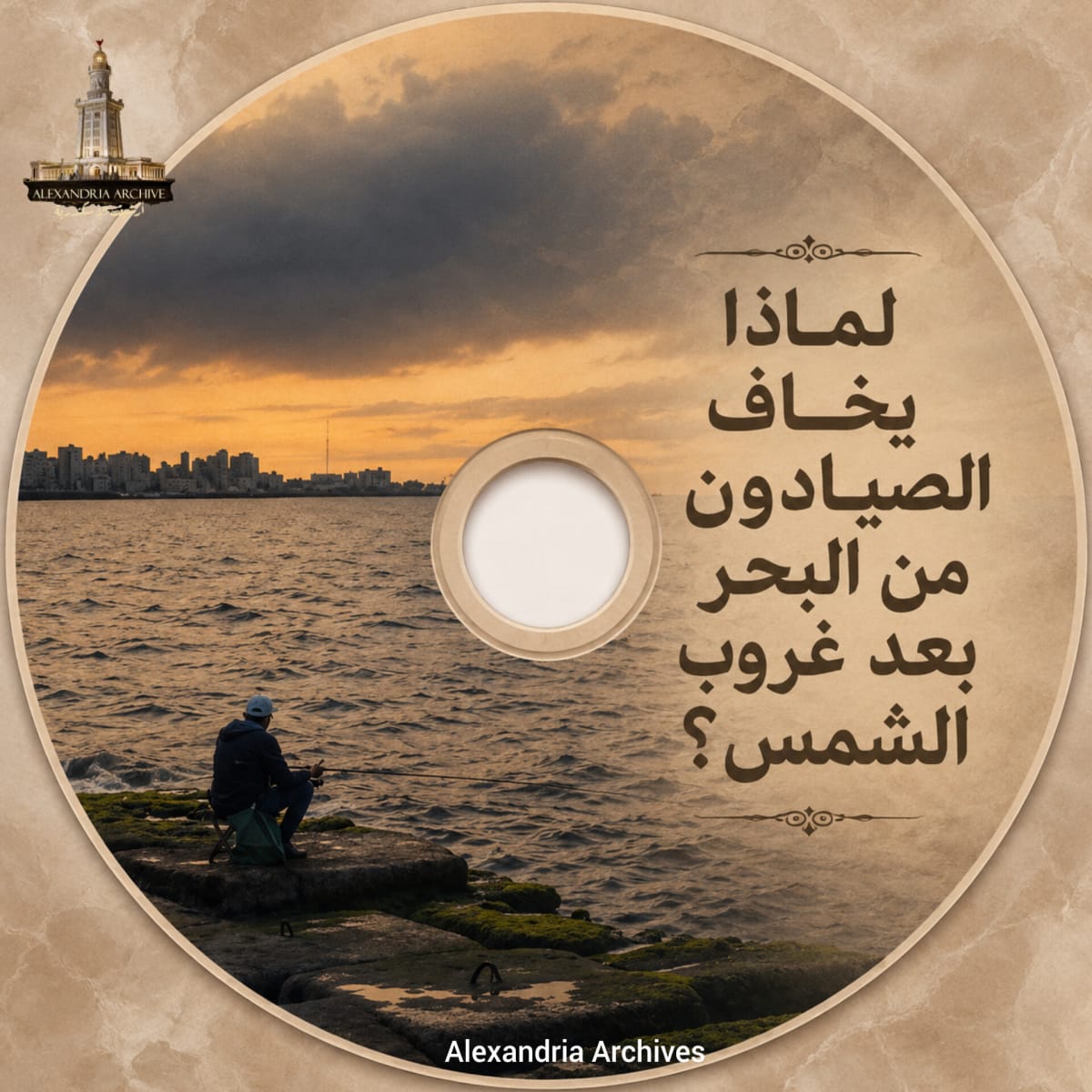
في أحياء بحري والأنفوشي والمكس بالإسكندرية، ستسمع كثيرًا جملة تتردد بين الصيادين القدامى: "البحر بعد المغرب مالوش أمان." وقد يظن البعض أنها مجرد خرافة، لكن الحقيقة أن وراء هذه العبارة سنوات طويلة من الخبرة والتجارب التي توارثها الصيادون جيلًا بعد جيل.
فمع غروب الشمس، تتغير طبيعة البحر تمامًا. تنخفض الرؤية بشكل كبير، ويصبح من الصعب تمييز الصخور أو المراكب الصغيرة أو حتى حركة الأمواج. كما أن الرياح قد تتغير فجأة، والتيارات البحرية تصبح أكثر صعوبة في ملاحظتها، وهو ما قد يعرض المراكب الصغيرة للخطر، خاصة قبل وجود أجهزة الملاحة الحديثة.
ولم يكن الصيادون قديمًا يمتلكون رادارات أو أجهزة تحديد المواقع أو وسائل اتصال سريعة، لذلك كان الليل بالنسبة لهم مخاطرة حقيقية. فإذا تعطلت المركب أو اشتد الموج، قد لا يشعر أحد بوجودهم إلا بعد ساعات طويلة.
ومن هنا نشأت الكثير من الحكايات الشعبية. فكان كبار السن يحذرون الشباب من النزول إلى البحر بعد المغرب، ويروون قصصًا عن أصوات غريبة أو أضواء تظهر فوق الماء أو مراكب اختفت ولم تعد. ورغم أن هذه القصص أصبحت جزءًا من التراث الشعبي السكندري، فإن معظمها لا يوجد عليه دليل تاريخي أو علمي، لكنها كانت وسيلة لغرس الحذر والاحترام لقوة البحر.
ويؤكد الصيادون المخضرمون حتى اليوم أن البحر "له مزاج". فقد يكون هادئًا طوال النهار، ثم يتقلب خلال دقائق بعد الغروب، خصوصًا في فصل الشتاء، لذلك يعتمدون دائمًا على خبرتهم في قراءة حركة الرياح والسحب والأمواج قبل اتخاذ قرار الخروج.
ولهذا، فإن خوف الصيادين من البحر بعد المغرب ليس خوفًا من المجهول بقدر ما هو احترام لطبيعة البحر المتغيرة. فالإنسان قد يتعلم أسرار البحر، لكنه لا يستطيع أبدًا أن يضمن رد فعله.
ولهذا ظل الصيادون يرددون حتى اليوم: "البحر صديق اللي يحترمه... وعدو اللي يستهين بيه."
Why are they afraid of the sea after sunset?
Why Are Fishermen Afraid of the Sea After Sunset?
In the Bahary, Anfoushi, and El Max neighborhoods of Alexandria, you will often hear an old saying repeated by veteran fishermen: “The sea is never safe after sunset.” Some may think it is merely a superstition, but in reality, this expression reflects many years of experience and lessons passed down from one generation of fishermen to the next.
As the sun sets, the nature of the sea changes completely. Visibility drops significantly, making it difficult to distinguish rocks, small boats, or even the movement of the waves. The wind can also change suddenly, and sea currents become much harder to detect, putting small fishing boats at greater risk—especially before the advent of modern navigation equipment.
In the past, fishermen did not have radar, GPS devices, or reliable means of communication. For them, venturing out at night was a genuine risk. If a boat broke down or the sea became rough, it could take many hours before anyone realized they were in trouble.
This reality gave rise to many local folk tales. Elders warned younger fishermen against going out after sunset, telling stories about strange sounds, mysterious lights appearing over the water, or boats that disappeared and never returned. Although these stories have become part of Alexandria’s rich folklore, most of them have no historical or scientific evidence behind them. Instead, they served as a way to teach caution and respect for the sea’s power.
Even today, experienced fishermen say that “the sea has its own mood.” It may remain calm throughout the day and then change dramatically within minutes after sunset, especially during winter. That is why they continue to rely on their experience in reading the wind, clouds, and waves before deciding whether to head out.
For this reason, fishermen’s fear of the sea after sunset is not fear of the unknown as much as it is respect for the sea’s ever-changing nature. A person may learn many of the sea’s secrets, but can never fully predict how it will behave.
That is why fishermen still say today: “The sea is a friend to those who respect it... and an enemy to those who underestimate it.”