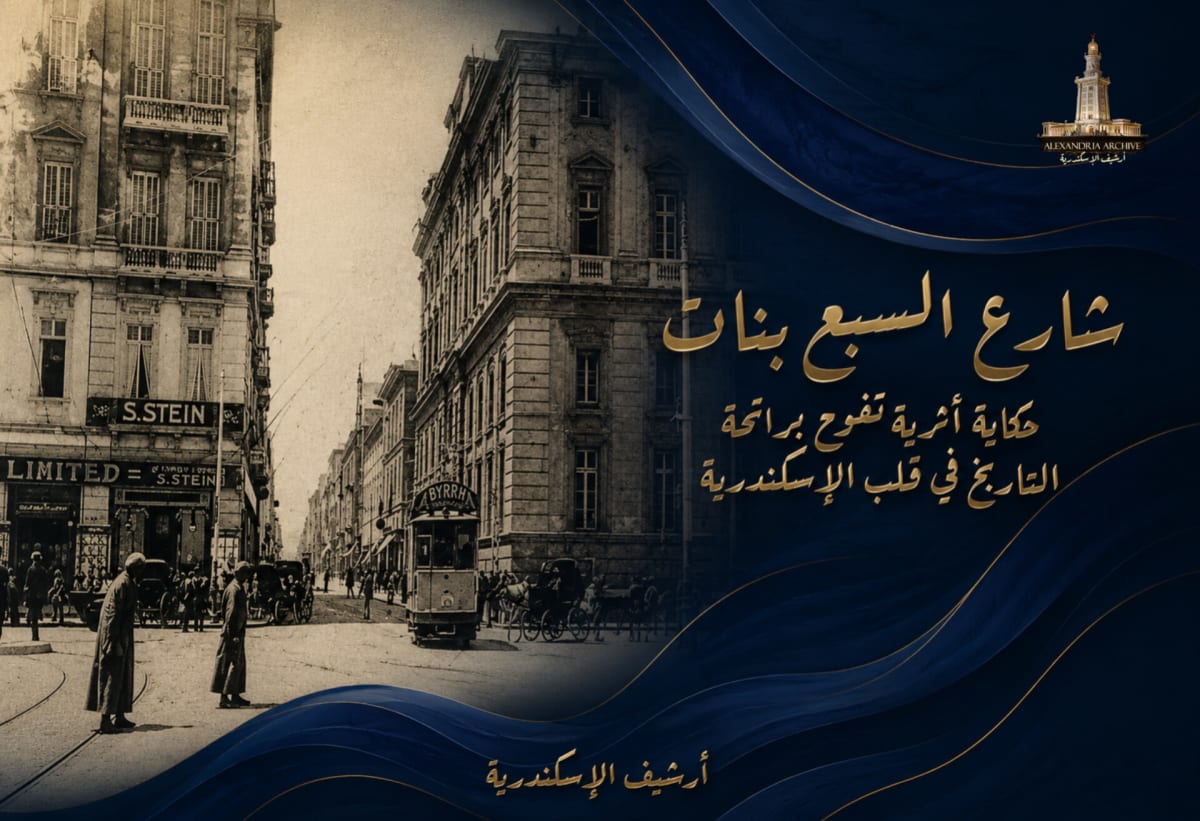
شارع السبع بنات: حكاية أثرية تفوح برائحة التاريخ في قلب الإسكندرية
إذا قررت يوماً أن تخترق قلب مدينة الإسكندرية القديمة، وتحديداً في منطقة "اللبان" الشهيرة، فستجد نفسك تسير في شارع ليس كغيره من الشوارع. إنه شارع "السبع بنات"؛ ذاك الممر النابض بالحياة، الذي لا يكتفي بكونه مركزاً تجارياً حيوياً، بل يمثل حلقة وصل مدهشة بين التاريخ الكوزموبوليتاني للمدينة، وبين الحكايات الشعبية التي تناقلتها الأجيال.
بين الحقيقة والأسطورة: من هنّ السبع بنات؟
ارتبط اسم الشارع في الأذهان لسنوات طويلة بأساطير وقصص شعبية مرعبة، لعل أشهرها ربطه بريا وسكينة (أشهر سفاحتين في تاريخ مصر)، حيث ظن البعض أن الاسم يعود لضحاياهما. لكن الحقيقة التاريخية تبتعد تماماً عن هذا المنحنى المظلم، وتأخذنا إلى بُعد إنساني وثقافي رائع.
الرواية التاريخية الأوثق: راهبات الإحسان
تعود التسمية الأصلية إلى نهاية القرن التاسع عشر وبداية القرن العشرين، عندما كانت الإسكندرية بيتاً كبيراً يجمع الجاليات الأجنبية من يونانيين، وإيطاليين، وفرنسيين. في هذا الشارع، كان هناك مقر لـ سبع راهبات يونانيات (أو فرنسيات في بعض المراجع) ينتمين لجمعية "راهبات الإحسان".
عُرف عن هؤلاء الراهبات السبع تفانيهم الشديد في خدمة أهالي المنطقة دون تفرقة؛ فكنّ يخرجن بملابسهن البيضاء المميزة لمداواة المرضى، ومساعدة الفقراء، وإطعام المحتاجين، ورعاية الأيتام. تقديراً لجهودهن الإنسانية النبيلة، أطلق أهالي الإسكندرية على الشارع اسم "شارع السبع بنات" تخليداً لذكراهن، وتحول الاسم بمرور الوقت من لافتة شرفية إلى اسم رسمي للشارع.
الملامح المعمارية والتاريخية للشارع
يتميز شارع السبع بنات بطابع معماري فريد يعكس كلاسيكيات البناء السكندري القديم:
العمارة الإيطالية واليونانية: تتراص على جانبي الشارع مبانٍ قديمة تتميز بالأسقف العالية، والشرفات الخشبية العتيقة، والزخارف التي تنتمي لمدارس الهندسة الأوروبية التي شكلت وجه الإسكندرية القديمة.
القرب من المربع التاريخي: يقع الشارع بالقرب من ميدان المنشية ومنطقة اللبان، مما يجعله محاطاً بمواقع تاريخية هامة شهدت على أحداث سياسية واجتماعية غيرت مجرى التاريخ المصري.
الشارع اليوم: عصب تجاري لا ينام
بالرغم من مرور العقود وتبدل ملامح المدينة، لم يفقد شارع السبع بنات بريقه، بل تحول إلى أحد أهم الأسواق التجارية المتخصصة في الإسكندرية.
اليوم، إذا زرت الشارع، ستجده يضج بالحركة والحيوية، حيث أصبح المعقل الأول لـ تجارة الأدوات الكهربائية، كابلات الكهرباء، ومستلزمات الإضاءة الحديثة والقديمة. يأتي إليه الزبائن والتجار من جميع أنحاء المحافظة والمحافظات المجاورة، لما يمتلكه من تنوع ضخم وأسعار تنافسية. هذا التحول التجاري جعل الشارع يجمع بين عبق الماضي وحداثة الحركة التجارية اليومية.
خاتمة: روح الإسكندرية التي لا تموت
إن شارع "السبع بنات" ليس مجرد مجاز مكاني يربط بين نقطتين في الإسكندرية، بل هو تجسيد حي لروح المدينة التعددية التي احتضنت الثقافات والأديان، وردت الجميل لكل من ترك فيها أثراً طيباً. إنه الشارع الذي يحمل اسم "الرحمة" في طياته، ويستمر في العطاء كواحد من الشرايين النابضة التي تجعل من الإسكندرية مدينة لا تشيخ أبداً.
Seven Girls Street
Seven Girls Street: A Historic Story Steeped in the Scent of the Past in the Heart of Alexandria
If you ever decide to explore the heart of old Alexandria, particularly the famous Labban district, you will find yourself walking through a street unlike any other. This is Seven Girls Street, a lively thoroughfare that is far more than a bustling commercial hub—it is a remarkable link between Alexandria's cosmopolitan history and the popular stories that have been passed down through generations.
Between Fact and Legend: Who Were the "Seven Girls"?
For many years, the street's name has been associated with various local legends, the most famous of which linked it to Raya and Sakina, Egypt's most notorious female serial killers. Some believed the name referred to their victims. However, historical evidence tells a completely different story—one rooted in compassion and humanity rather than tragedy.
The Most Credible Historical Account: The Sisters of Charity
The name dates back to the late nineteenth and early twentieth centuries, when Alexandria was home to thriving Greek, Italian, and French communities. On this street stood the residence of seven nuns, believed by some sources to have been Greek and by others French, who belonged to the Sisters of Charity.
These seven sisters became well known for their tireless service to the local community. Dressed in their distinctive white habits, they cared for the sick, assisted the poor, fed those in need, and looked after orphans without discrimination. In appreciation of their remarkable humanitarian work, the people of Alexandria began referring to the area as Seven Girls Street, and over time the honorary name became the street's official name.
Architectural and Historical Character
Seven Girls Street preserves much of the architectural charm that once defined old Alexandria.
- Italian and Greek Architecture: Elegant historic buildings line both sides of the street, featuring high ceilings, traditional wooden balconies, and decorative façades inspired by European architectural styles that helped shape Alexandria's distinctive identity.
- Close to Alexandria's Historic Core: Located near Mansheya Square and the Labban district, the street is surrounded by landmarks that witnessed many of Egypt's important political and social events.
The Street Today: A Thriving Commercial Center
Although decades have passed and Alexandria has evolved, Seven Girls Street has never lost its significance. Instead, it has become one of the city's most important specialized commercial districts.
Today, the street is renowned as Alexandria's primary marketplace for electrical supplies, wiring, lighting equipment, and related accessories. Customers and merchants travel from across Alexandria and neighboring governorates to shop there, attracted by its wide selection of products and competitive prices. This commercial transformation has allowed the street to preserve its historical character while embracing the energy of modern business.
Conclusion: The Enduring Spirit of Alexandria
Seven Girls Street is far more than a road connecting two points on the map. It is a living symbol of Alexandria's multicultural heritage—a city that welcomed people of different cultures and faiths and honored those who devoted themselves to serving others. Carrying a legacy of compassion in its very name, the street remains one of the vibrant arteries that continue to make Alexandria a city that never grows old.