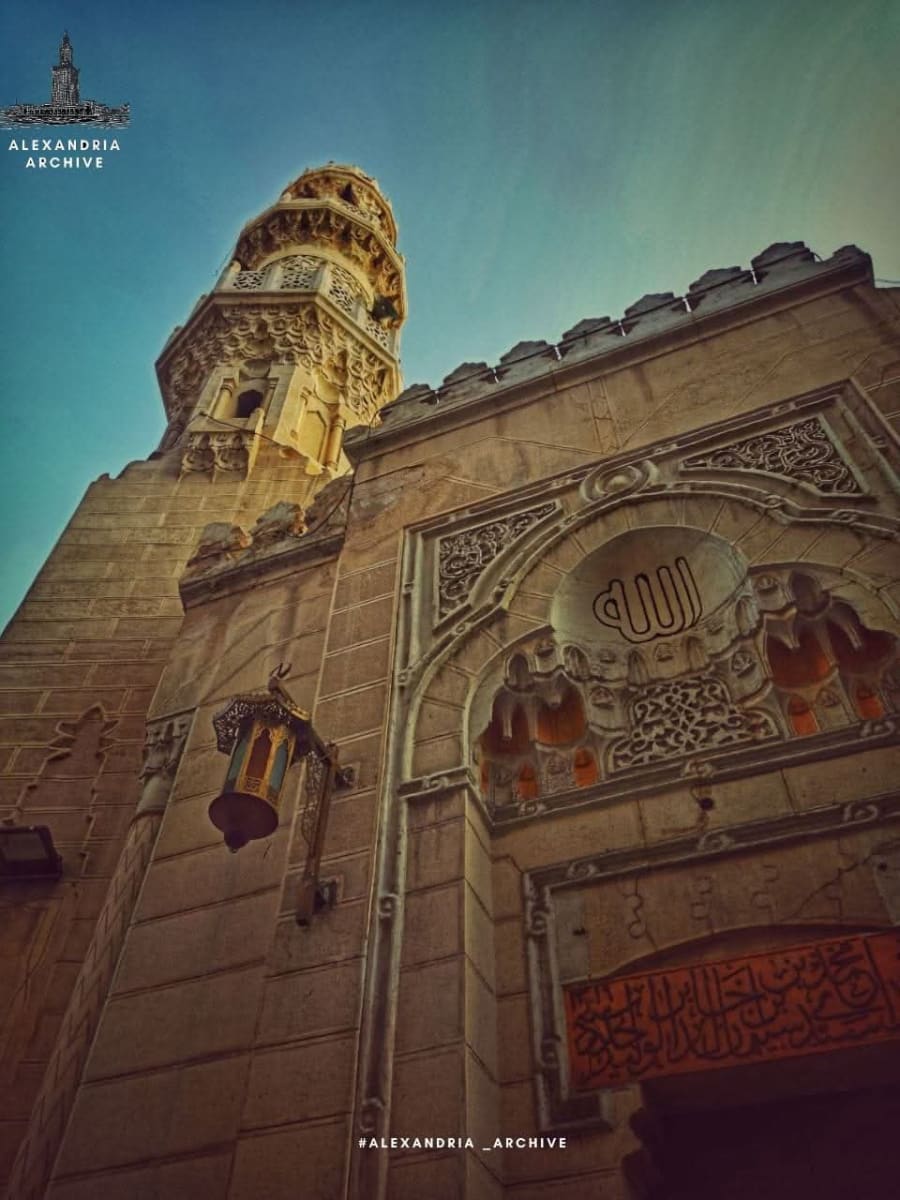
سؤال يمكن أن نطرحه على أنفسنا وهو ما هو أقدم مسجد في مدينة الإسكندرية؟! ، سؤال يستحق التفكير و البحث و التأمل ودعونا نأخذكم في جوله عن أقدم مسجد في مدينة الإسكندرية
يعد مسجد ( جامع العطارين ) من أقدم المساجد الموجودة في الإسكندرية .. حيث أنشئ بعد الفتح الإسلامي للإسكندرية كما يعتبر واحداً من المعالم الإسلامية الموجودة بمدينة الإسكندرية .
- الموقع :
يقع مسجد العطارين في الشارع الذي يحمل اسمه بحي العطارين.
وقد عرف بهذا الاسم لوقوعه بالقرب من سوق العطارين أحد أشهر أسواق الإسكندرية قديماً.
وقد عرف هذا المسجد أيضا باسم الجامع الجيوشي نسبة إلى أمير الجيوشي بدر الدين الجمالي الذي قام بتجديده وتطويره وتوسعته في عام 477 هـ.
- تاريخ المسجد :
كان المسجد عبارة مسجد صغير أنشئ بعد الفتح الإسلامي للإسكندرية.
وكان يعرف باسم الجامع الشرقي .. ولم يكن في الإسكندرية غير جامعين هما الجامع الشرقي ( جامع العطارين ) ..
والجامع الغربي ( وهو الجامع الذي بناه عمرو بن العاص وعرف باسمه ).
في بداية العصر الفاطمي تهدمت أجزاء من المسجد ..
وتهاوت بعض أجزائه وبع أسقفه وأصيب بأضرار جسيمة فقد معها معظم معالمه.
في عام 477 هـ جاء أمير الجيوش بدر الدين الجمالي إلى الإسكندرية لإخماد الثورة التي قام بها ابنه الأكبر والمسمى " الأوحد أبو الحسن " والملقب بمظفر الدولة والذي ولاه أبوه على الإسكندرية فثار عليه ولم تفلح معه أي محاولات لعدوله عن ثورته فذهب إليه أبوه وحاصر الإسكندرية شهراً حتى طلب أهلها منه الأمان وفتحوا له الباب.
فدخل الإسكندرية أخذ ابنه أسيراً .. وعاقب أهل الإسكندرية لتمردهم عليه بأن فرض عليهم جميعا مسلمين ومسيحيين مائة وعشرين ديناراً حملت إليه فجدد بها بناء جامع العطارين
وكان بدر الجمالي قد شاهد أثناء تجوله بالإسكندرية مسجد العطارين متهدماً فأمر ببنائه وتجديده ..
وأنفق على بنائه الأموال التي فرضها على أهل الإسكندرية .. وأقام فيه صلاة الجمعة.
استمر جامع العطارين مسجداً جامعاً أي تقام فيه الجمع إلى أن زالت الدولة الفاطمية على يد صلاح الدين الأيوبي والذي أمر ببناء جامع آخر نقل إليه الخطبة من جامع العطارين .
تعرض جامع العطارين بعد ذلك للإهمال وأصابته بعض الأضرار حيث سقطت بعض أعمدته نحو سنة 772 هـ
في عام 773 هـ تم ترميم مسجد العطارين وإصلاح ما تهدم منه إلا أنه لم يلق العناية الكافية في العصرين المملوكي والعثماني .. فتصدعت جدرانه وتهاوى سقفه مرة أخرى.
في عام 1901 م أمر الخديوي عباس حلمي الثاني بتجديد عمارة جامع العطارين ..
ولم يبقى بعد عمارة المسجد الجديد من المسجد القديم إلا اللوحة التي سجل عليها تاريخ تأسيس الجامع في عصر بدر الدين الجمالي ومكتوب عليها
" بسم الله الرحمن الرحيم .. إنما يعمر مساجد الله من آمن بالله واليوم الآخر وأقام الصلاة وآتى الزكاة ولم يخشى إلا الله....
أمر بإنشائه السيد الأجل أمير الجيوش سيف الإسلام ناصر الإمام كافل قضاة المسلمين وهادي دعاة المؤمنين أبو النجم بدر المستنصري عند حلول ركابه الإسكندرية ومشاهدة هذا الجامع خراباً فرأى بحسن ولائه ودينه تجديده زلفى إلى الله تعالى وذلك في ربيع سنة سبع وسبعين وأربعمائة "
- وصف المسجد :
وصف الرحالة هذا المسجد وأشاروا إلى شكله المنتظم وبفنائه الداخلي الذي تدور به الألوان ذات البوائك.. ويتوسط صحنه أشجار وميضأة..
وقد ذكر تر ويلو في سنة 1669م أنه كان يقوم على كل ركن من أركانه الأربعة مئذنة مرتفعة..
وفي كتاب وصف مصر وصف للزخارف الرائعة المحفورة في الرخام والجرانيت والمرسومة بالفسيفساء.
ويتكون المسجد الحالي من مساحة مستطيلة تبدو من الخارج مثلثة الشكل حيث يتصدر قمة المثلث من الخارج بالناحية الجنوبية الشرقية كتلة المئذنة...
وللجامع واجهتان هما الواجهة الشمالية الشرقية وهي الواجهة الرئيسية ويقع بها المدخل الرئيسي للجامع الذي يقع بالطرف الشمالي للواجهة.
ويتكون الجامع من الداخل من طابقين خصص الطابق الأرضي لصلاة الرجال بينما خصص الطابق الأول للنساء
ويوجد بالطرف الشرقي لواجهة المسجد مدخل آخر يؤدي إلى القبة الضريحية وقد كتب أعلى هذا المدخل هذا النص
" هذا ضريح سيدي محمد بن سليمان بن خالد بن الوليد .. جدد سنة 1319 ".
أما الواجهة الجنوبية الغربية فيقع بها مجموعة من المحلات كانت موقوفة على المسجد للصرف من ريعها عليه.
ويقع بالطرف الغربي للواجهة مدخل آخر يؤدي إلى روضة الجامع ويعلوه هذه الكتابة
" جدد هذا المسجد المبارك في عصر خديوي مصر عباس حلمي أدام الله أيامه سنة 1319هـ ".
ويتوج شرفات المسجد من أعلى صف من الشرفات على هيئة ورقة نباتية سباعية الفصوص
ويوجد بالناحية الجنوبية الغربية من بيت الصلاة فتحة باب تؤدي إلى روضة الجامع وهي عبارة عن مساحة مستطيلة مكشوفة غرس بها بعض الأشجار
وبلطت الجدران بالقيشاني الملون بألوان جميلة.
#ارشيف_الإسكندرية
Attarin Mosque
A question we might ask ourselves is: What is the oldest mosque in Alexandria? It's a question worth pondering, researching, and reflecting upon. Let's take a tour of the oldest mosque in Alexandria.
The Attarin Mosque is one of the oldest mosques in Alexandria. It was built after the Islamic conquest of Alexandria and is considered one of the city's Islamic landmarks.
- Location:
The Attarin Mosque is located on the street that bears its name in the Attarin district.
It was named after the Attarin Market, one of the most famous markets in ancient Alexandria.
This mosque was also known as the Al-Juyushi Mosque, named after the commander of the Al-Juyushi tribe, Badr al-Din al-Jamali, who renovated, developed, and expanded it in 477 AH (1086 CE).
- History of the Mosque:
The mosque was originally a small mosque built after the Islamic conquest of Alexandria.
It was known as the Eastern Mosque. There were only two mosques in Alexandria at the time: the Eastern Mosque (also known as the Attarin Mosque) and the Western Mosque (built by Amr ibn al-As and named after him).
At the beginning of the Fatimid era, parts of the mosque collapsed.
Some sections crumbled, its roof was damaged, and it suffered extensive damage, losing most of its original features.
In 477 AH, the commander of the armies, Badr al-Din al-Jamali, came to Alexandria to quell the rebellion led by his eldest son, known as al-Awhad Abu al-Hasan, nicknamed Muzaffar al-Dawla. His father had appointed him governor of Alexandria, but he rebelled. All attempts to persuade him to abandon his rebellion failed, so his father went to him and besieged Alexandria for a month until its inhabitants sought safe passage and opened the gates.
He entered Alexandria, took his son prisoner, and punished the people of Alexandria for their rebellion by imposing a tax of one hundred and twenty dinars on all of them, Muslims and Christians alike. This tax was brought to him, and he used it to rebuild the Attarin Mosque.
Badr al-Jamali had seen the Attarin Mosque in ruins during his travels in Alexandria, so he ordered its reconstruction and renovation.
He spent the money he had levied on the people of Alexandria on its construction and established the Friday prayer there.
The Attarin Mosque continued to be a congregational mosque, meaning Friday prayers were held there, until the Fatimid Caliphate fell at the hands of Saladin, who ordered the construction of another mosque and transferred the Friday sermon from the Attarin Mosque to it.
The Attarin Mosque subsequently suffered neglect and some damage, with some of its columns collapsing around 772 AH.
In 773 AH, the Attarin Mosque was restored, and the damaged parts were repaired. However, it did not receive adequate care during the Mamluk and Ottoman periods, and its walls cracked and its roof collapsed once again.
In 1901 CE, Khedive Abbas Hilmi II ordered the renovation of the Attarin Mosque.
After the construction of the new mosque, only the plaque bearing the date of its founding during the reign of Badr al-Din al-Jamali remained of the old mosque. The plaque reads:
"In the name of God, the Most Gracious, the Most Merciful. Only those who believe in God and the Last Day, establish prayer, pay zakat, and fear none but God should maintain the mosques of God...
Its construction was ordered by the most noble lord, the Commander of the Armies, the Sword of Islam, the Supporter of the Imam, the Guardian of the Muslim Judges, and the Guide of the Believers' Preachers, Abu al-Najm Badr al-Mustansiri, upon his arrival in Alexandria and seeing this mosque in ruins. Out of his piety and devotion, he saw its restoration as an act of devotion to God Almighty. This occurred in the spring of the year 477 AH (1086 CE)."
- Description of the Mosque:
Travelers described this mosque, noting its regular shape and its inner courtyard with its colorful arcades. Trees and a fountain stood in the center of the courtyard.
Terwelle mentioned in 1669 CE that it stood on each of its four corners. A towering minaret...
The book "Description of Egypt" describes the magnificent decorations carved in marble and granite and painted with mosaics.
The current mosque consists of a rectangular space that appears triangular from the outside, with the minaret at the southeastern apex of the triangle.
The mosque has two facades: the northeastern facade, which is the main facade, containing the main entrance located at its northern end.
Inside, the mosque has two floors. The ground floor is designated for men's prayer, while the first floor is for women.
At the eastern end of the mosque's facade is another entrance leading to the domed mausoleum. Above this entrance is inscribed:
"This is the mausoleum of Sidi Muhammad ibn Sulayman ibn Khalid ibn al-Walid... Renovated in 1319."
The southwestern facade contains a group of shops that were endowed to the mosque, with their proceeds used for its upkeep.
On the western side of the facade is another entrance leading to the mosque's courtyard, above which is this inscription:
"This blessed mosque was renovated during the reign of Khedive Abbas Hilmi of Egypt, may God prolong his life, in the year 1319 AH."
The mosque's battlements are crowned by a seven-lobed leaf-shaped balconies at the top of the row.
In the southwestern corner of the prayer hall is a doorway leading to the mosque's courtyard, a rectangular open space planted with some trees.
The walls are paved with colorful tiles in beautiful hues.